Short answer
A solar energy system consists of panels, an inverter, optional battery storage, mounting structures, cabling, monitoring and control systems, and grid connection equipment. Panel type, inverter quality and connection equipment influence output and safety. Choosing equipment to match project needs supports long-term performance.
Key takeaways
- Panels come as monocrystalline, polycrystalline and thin-film types, with different efficiency levels.
- The inverter converts DC to AC; string and micro inverters work differently.
- Batteries matter most in off-grid and hybrid systems; on-grid systems use bidirectional meters and protection equipment.
- Monitoring systems show produced, consumed and stored energy in real time.
1. Solar Panels
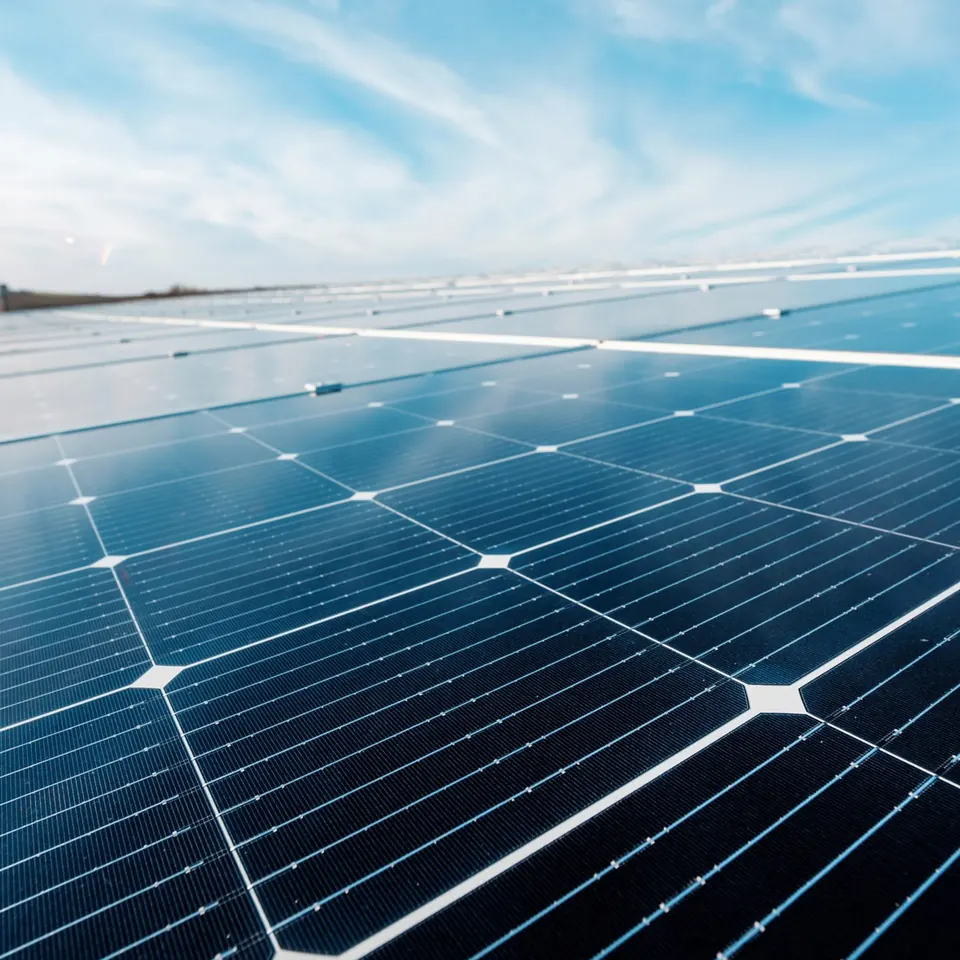
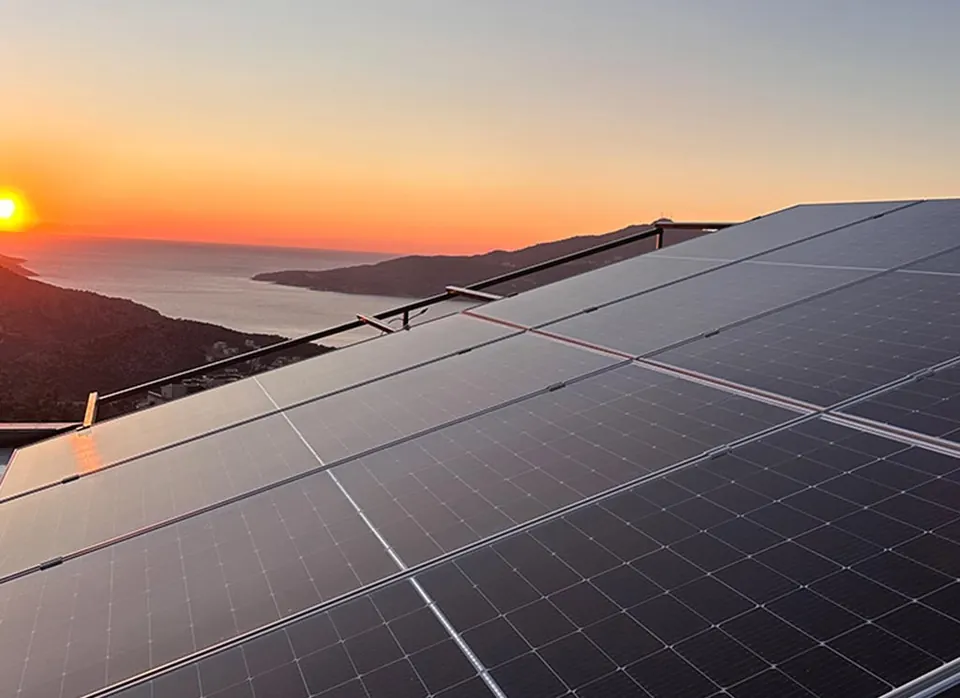
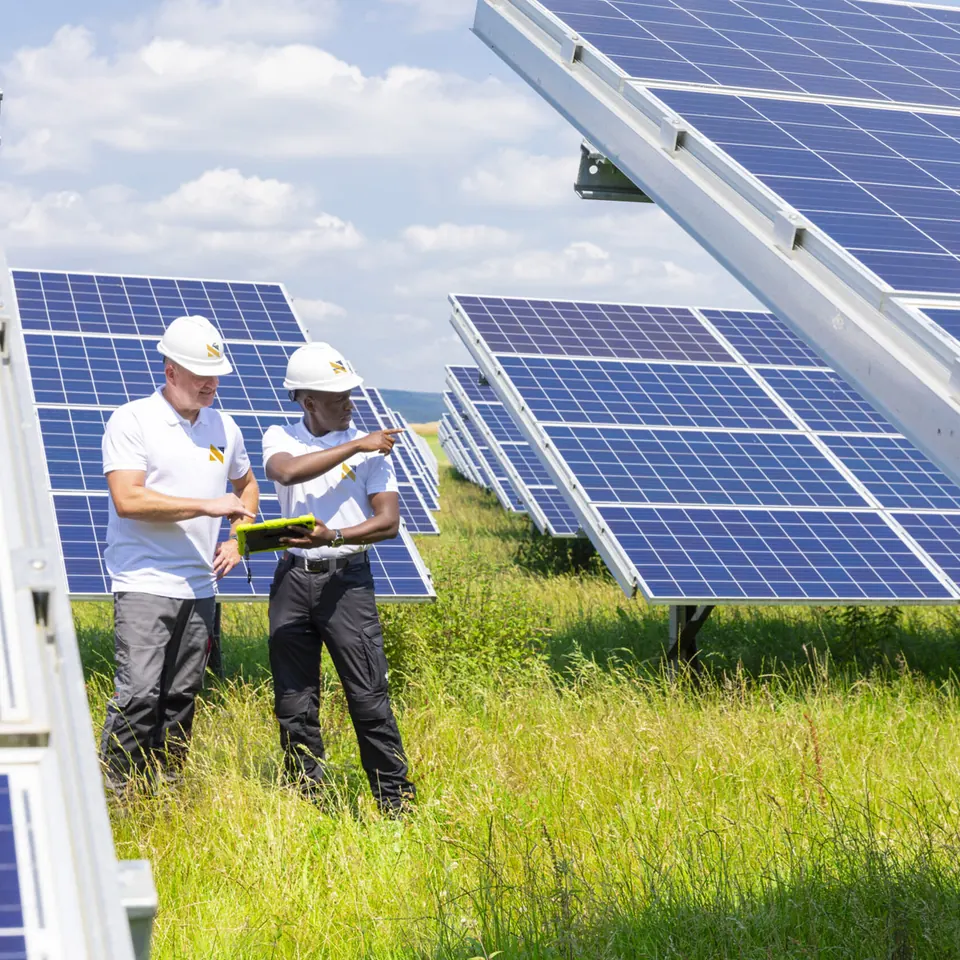
Solar panels are the most fundamental and important component of the system. They consist of photovoltaic (PV) cells that convert sunlight into electrical energy. The type of panel directly affects energy production capacity.
- Monocrystalline Panels: Provide high efficiency and a long service life. They produce more energy in less space.
- Polycrystalline Panels: A more economical option offering a medium level of efficiency.
- Thin-Film Panels: Preferred in special projects thanks to their flexible structure, but their efficiency is lower than the others.
At Solar Nexo, we generally use high-performance monocrystalline panels in solar energy projects in Antalya.
2. Inverter
The inverter converts the direct current (DC) from solar panels into the alternating current (AC) used in homes and workplaces. The quality of the inverter directly affects energy conversion efficiency.
- String Inverters: Manage the energy from multiple panels.
- Micro Inverters: Work separately for each panel and provide more efficient energy conversion.
Inverters also take on the function of monitoring and optimizing system performance.
3. Energy Storage Systems (Batteries)
Energy storage systems have a critical role, especially in off-grid and hybrid systems. Energy stored during hours of high solar production can be used at night or when sunlight is insufficient.
- Lithium-Ion Batteries: Offer high energy density and a long service life.
- Gel Batteries: Suitable for long-term use with low maintenance requirements.
- Lead-Acid Batteries: A more economical option, preferred in short-term projects.
Solar Nexo generally works with lithium-ion batteries in projects in Antalya, offering our customers long-term solutions.
4. Mounting Structures (Racking Systems)
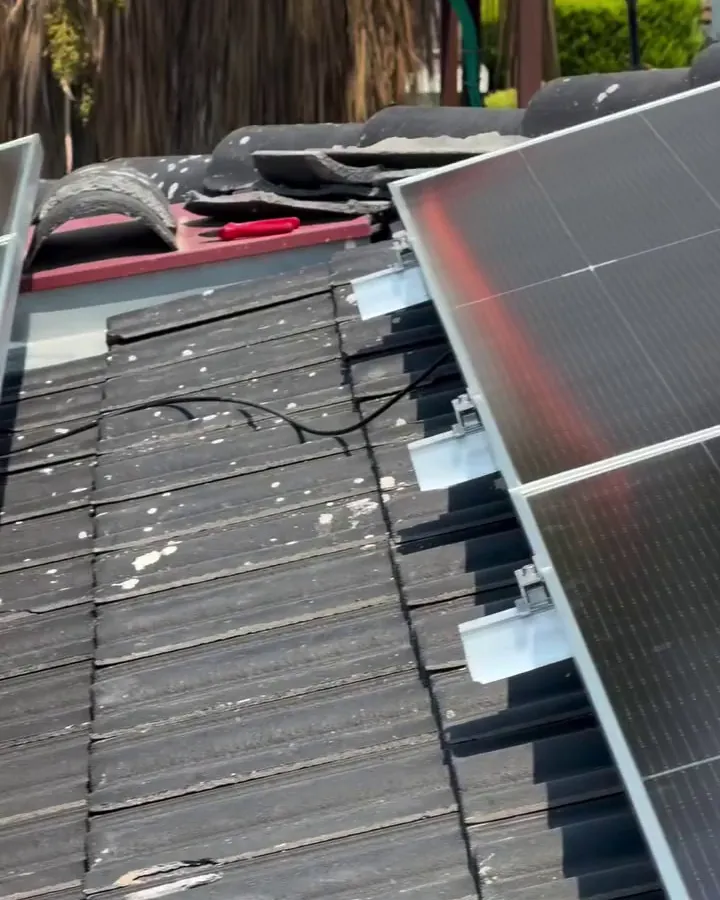
Mounting structures, used to place solar panels at a suitable angle, improve energy production efficiency. These structures position the panels at the angle best suited to sunlight.
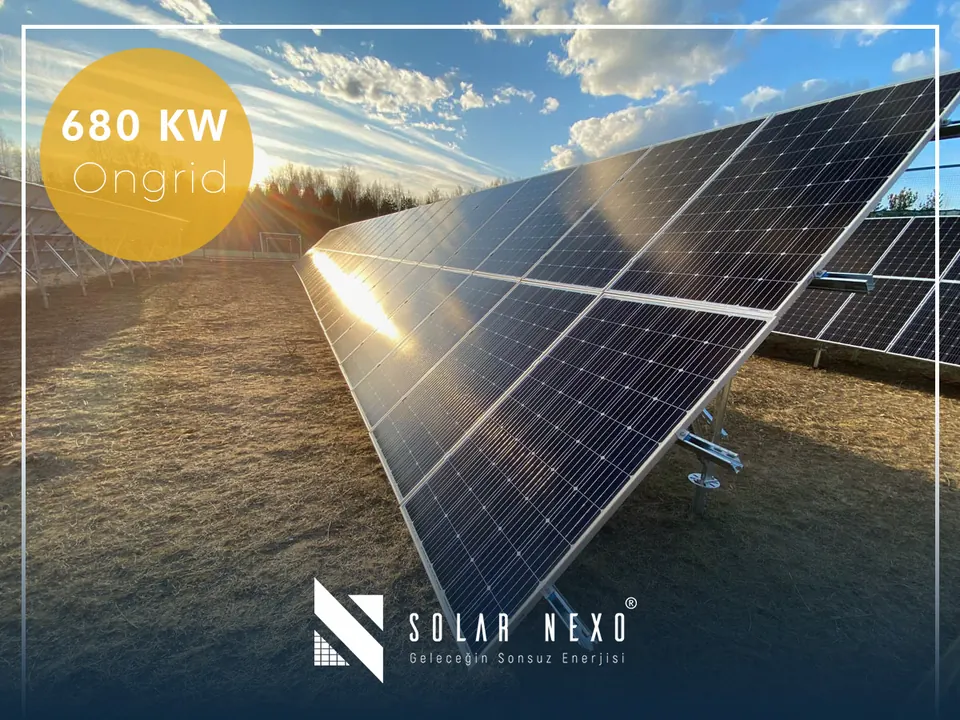
- Fixed Structures: Allow panels to be installed at a fixed angle.
- Moving Structures (Trackers): Follow the sun so that the panels stay at an optimal angle continuously, and can produce up to 25% more energy.
5. Cabling and Connection Equipment
The cables used in solar energy systems carry the electric current from the panels to the inverter and other components.
- Direct Current Cables (DC): Carry the energy from the panels.
- Alternating Current Cables (AC): Carry the energy leaving the inverter to the grid or the point of use.
The quality of connection equipment is important for preventing energy loss and ensuring the safety of the system.
6. Energy Monitoring and Control Systems
Energy monitoring systems are used to track and optimize the performance of solar energy systems. These systems show the amount of energy produced, consumed and stored in real time.
- Online Monitoring Systems: Allow users to follow energy production and consumption over the internet.
- Smart Control Devices: Optimize energy use and increase efficiency.
Solar Nexo uses modern energy monitoring and control systems in its projects, giving users full control and transparency.
7. Grid Connection Equipment
In on-grid systems, special connection equipment is used to feed the excess energy produced into the grid.
- Bidirectional Meters: Measure both the energy drawn from the grid and the energy fed into it.
- Protection Equipment: Controls the flow of energy and ensures the safety of the system.
The Importance of Equipment Selection in Solar Energy Systems
The efficiency and longevity of solar energy systems depend on the quality of the equipment used. At Solar Nexo, we use high-quality equipment in solar energy projects in Antalya to offer our customers long-term, reliable solutions. Choosing the right equipment increases energy production while also lowering maintenance and repair costs.
Solar Nexo's Approach to the Project Process
Solar Nexo manages every step of projects in Antalya professionally, from equipment selection to installation and maintenance:
- Needs Analysis: We determine the requirements of the project.
- Equipment Selection: We select quality equipment suited to the customer's needs.
- Installation: Our specialist teams carry out a fast and safe installation.
- Monitoring and Maintenance: We monitor system performance regularly and offer maintenance services.
Conclusion: Increase Efficiency with the Right Equipment in Solar Energy
The equipment used in solar energy systems plays a critical role in the performance, efficiency and longevity of the system. To make good use of Antalya's solar potential and contribute to the future through clean energy production, you can consider the solutions offered by Solar Nexo.
Contact us to get more information and learn about solar energy projects tailored to you. It is time to get to know the energy of the future.
Frequently asked questions
What types of solar panels are there?
The post describes monocrystalline panels (high efficiency, long life), polycrystalline panels (more economical, medium efficiency) and thin-film panels (flexible, lower efficiency).
What is the difference between string inverters and micro inverters?
String inverters manage the energy from multiple panels, while micro inverters work separately for each panel and provide more efficient energy conversion.
When are batteries and grid connection equipment needed?
Energy storage systems are especially important in off-grid and hybrid systems, while on-grid systems use special connection equipment such as bidirectional meters and protection equipment to feed excess energy into the grid.
Want a clear calculation for your roof?
The Solar Nexo team carries out a free site survey at your address in Antalya and designs the system that suits your roof, consumption and budget.