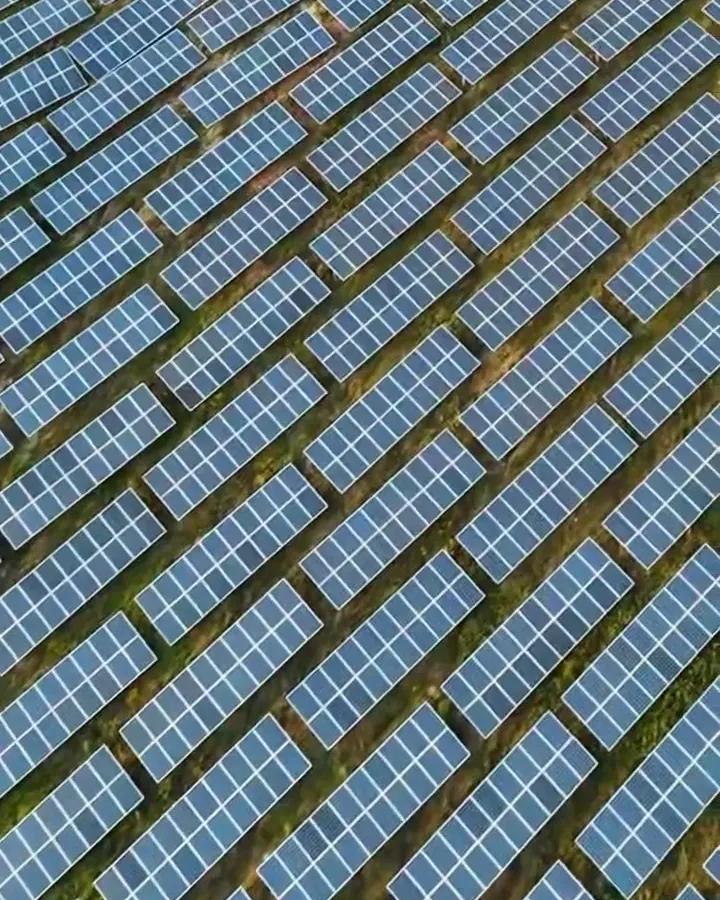
Short answer
A thermal camera solar inspection reads the surface temperature of panels and connections in a working system and finds hot spots, cell cracks, faulty connectors and PID suspicion without stopping the plant. For a correct result, the system must be under load, irradiance sufficient and wind low. Summer irradiance in Antalya is suitable; findings should be confirmed with tests such as I-V measurement.
Key takeaways
- A thermal camera shows hot spots, connection heating and dead arrays while the system is running.
- Not every micro-crack creates a temperature difference; tests such as I-V curve or EL imaging may be needed.
- Measurement must be made under load, in sufficient irradiance and low wind; glass reflection can mislead.
- In a half-cut cell, the connection that makes the panel work like two parallel sub-arrays can limit the effect in partial shade.
- The DC line is live in daylight; even if a hot spot is found, intervention belongs to a qualified team.
A thermal camera solar inspection is a method of reading the surface temperature of a running solar energy system with an infrared image to detect hot spots, faulty connections, dead cell strings and similar defects without stopping the system. The first sign of many faults that cannot be seen by eye is that a panel or connector looks hotter than its surroundings. In this article we explain at a general level how the method works, what can be found, under what conditions it should be done and what its limits are.
What is a thermal camera used for in a solar plant?
A solar panel converts part of the light into electricity and part into heat. In a healthy panel the cells work at similar temperatures. If a cell or a connection is defective, electrical energy turns into heat at that point and the area looks clearly hotter than its surroundings. A thermal camera shows this temperature difference with a colour scale; this makes it possible to find the problem spot among thousands of cells within minutes.
The biggest advantage of the method is that it is contactless and done without stopping the system. Because the measurement is taken while the panel is working, that is under load, regional defects that could not be noticed with electrical measurements alone also show up. For this reason, thermal imaging is one of the first diagnostic tools used for systems that produce less than expected. For the general causes of low output, you can also read our article on the causes of solar panel efficiency loss.
Which defects can be seen with a thermal camera?
Hot spot
A hot spot is when a cell or group of cells heats up markedly compared with its surroundings. Causes include a cell crack, a poor solder joint, partial shading, local dirt such as bird droppings, and a bypass diode failure. A partially shaded cell heats up when it is forced to pass the current produced by the other cells; if this continues for a long time, the cell and the backsheet material can be damaged.
Cell crack
Transport, stepping on panels during installation, hail or temperature cycling can create micro-cracks in a cell. A crack electrically isolates part of the cell and changes the current path in that area. A thermal camera shows some cracks as a hot area; however, not every micro-crack creates a temperature difference, so other tests that complement imaging may be needed.
PID (potential-induced degradation)
PID is a phenomenon in which the combination of a high voltage difference between the panel and earth and humidity causes power loss in the cells. In a thermal image, consecutive panels at the end of a string or array showing different heating can point to PID. The diagnosis is not conclusive; it must be confirmed by electrical measurement. In today's systems, with a maximum system voltage of 1500 V DC (TommaTech TT605-144TN10 datasheet), correct design of voltage limits is important.
Connector, cable and fuse heating
A loose connector or a badly tightened terminal heats up because of resistance. A thermal camera catches these points before visible damage occurs. This ability is critical for both efficiency and fire safety; for details, see our article on solar plant fire safety.
Dead panel or string
A panel or string that does not contribute to production may look warmer or cooler than its surroundings because it does not generate electricity under load. This image supports a suspicion of an open connection or an inverter input problem.
| Finding | In the thermal image | Probable cause | Next step |
|---|---|---|---|
| Hot spot in a single cell | Small, distinct hot area | Cell crack, solder, local shade | Current-voltage measurement, surface check |
| Hot stripe along a cell string | Heating over about a third of the panel | Bypass diode failure | Assess panel replacement |
| Heating at a connector | Small, very hot spot | Loose or oxidised connection | System is stopped and the connection renewed |
| Similar deviation in several panels | Regular difference at array ends | PID suspicion | Electrical measurement, design check |
| Panel/string looks cool | Colder than its surroundings | Not contributing to production | Check connection and inverter input |
Correct measurement conditions
The image a thermal camera gives is meaningful only under the right conditions. The system must be under load, that is, the panels must be working in the sun and the inverter producing; in overcast or rainy weather, temperature differences do not appear. Sufficient irradiance, low wind and a clean surface improve image quality. Very strong wind cools the panel and masks the hot spot.
The shooting angle also matters. Reflection from the glass surface, the sky or nearby hot objects can create misleading hot patches. An experienced operator separates reflection from a real hot spot by shooting the same point from different angles. Temperature values are interpreted relatively; the real information is how far a point deviates from neighbouring cells and from other panels in the same conditions. In Antalya, summer months are favourable for high irradiance, but because ambient temperature is also high, reading the difference takes experience (July average maximum temperature 34.2 °C, MGM).
Handheld camera, drone and additional tests
For small roof systems a handheld thermal camera is enough. For large ground-mounted and roof plants, drone-assisted thermal imaging is used to scan a large number of panels in a short time. A drone provides safe access and speed, but has limitations such as flight permissions, weather conditions and image resolution.
A thermal image alone does not make a definitive diagnosis; it is supported by additional tests. These include current-voltage (I-V) curve measurement, comparison of string currents and electroluminescence (EL) imaging. EL imaging can show micro-cracks more clearly than a thermal image but is usually done with the panel removed or under special conditions. Which test is needed is decided by the type of defect and the cost-benefit balance.
Half-cut cell and the shading effect
Half-cut panels in the 605 W class halve the current per cell; because resistance losses are proportional to I²R, losses at cell level fall markedly. The half-cut structure also makes the panel work as two parallel sub-arrays, so it can limit part of the effect in partial shade. However, how many percent gain this advantage gives at module level varies by source; it should not be presented as an official figure. In a thermal image of half-cut panels it is normal for the hot area to remain limited to half of the panel. For more on the topic, you can read our article on half-cut cell technology.
How often should you have a thermal inspection?
There is no fixed interval; it is determined by system size, age and risk. The general recommendation is: a first imaging at the commissioning stage after installation, then an inspection if output is lower than expected, after an event such as hail or lightning, or before the warranty period expires. In large plants, regular periodic thermal scanning is added to the operating plan. In small roof systems, imaging makes sense if monitoring data raises suspicion.
When preparing the report, findings should be matched with panel and string numbers, and the image, measurement conditions (irradiance, temperature, wind), temperature difference and recommended action should be written clearly. Keeping the report for future comparison allows degradation to be tracked over time. For the whole maintenance process, see our article on solar energy system maintenance.
The practical side of thermal inspection in Antalya
In Antalya, because irradiance is high and the sky is mostly clear around midday in summer, the window for thermal imaging is wide. On the other hand, high ambient temperature and the heat of the roof surface can make it harder to interpret differences. On the coast, humid air and salt speed up the oxidation that can cause connector heating; for this reason, connection points are scanned specially in coastal systems. In agricultural and greenhouse areas, surrounding dust and reflections can affect the measurement.
Determining the best time for measurement requires the team to monitor the weather and irradiance beforehand. A planned inspection should be postponed if it falls on an overcast day; a measurement made in insufficient conditions carries the risk of both false alarms and missed defects.
Safety and competence
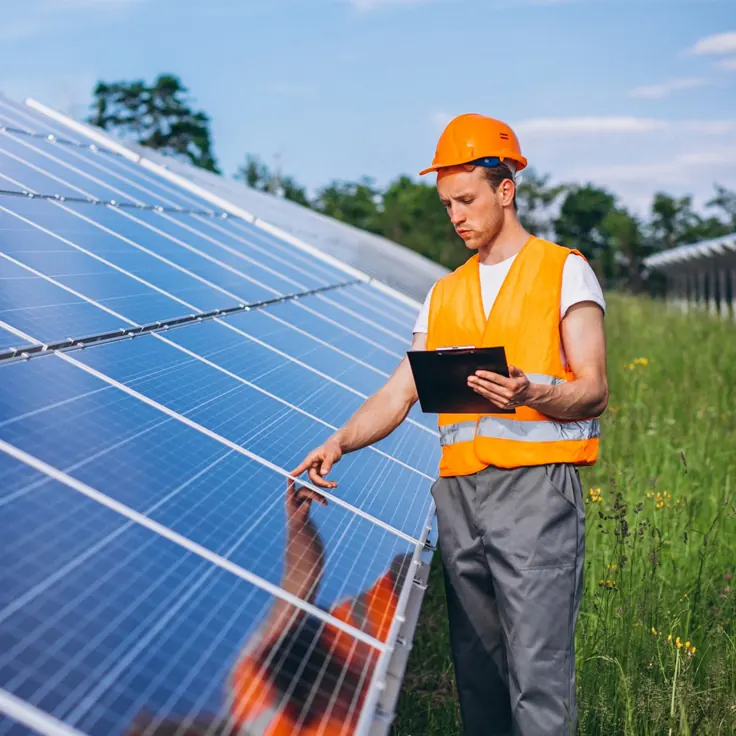
A thermal inspection is carried out while the system is running; the DC line is live in daylight. Climbing onto the roof, touching cables or opening connections is a job only for a trained and authorised team. When you see a hot spot found with a thermal camera, remember that the panel or connector is not a part you should intervene on yourself. Within its maintenance and technical support service in Antalya, Solar Nexo provides guidance for such checks; you can use our contact page to request this.
Conclusion
A thermal camera solar inspection is a valuable tool for detecting hidden defects such as hot spots, cell cracks, PID suspicion and connection heating without stopping the system. It gives the best result when used with correct measurement conditions, experienced interpretation and, when needed, complementary tests such as I-V measurement. If your output is below expectations, or if the system has experienced an event such as hail or lightning, a thermal inspection is one of the sensible first steps.
Frequently asked questions
What does a thermal camera show on a solar panel?
A thermal camera shows the surface temperature distribution of the panel and its connection points. Defects such as a hot spot, a poor solder joint, a bypass diode failure, a heating connector and an array that does not contribute to production appear at a different temperature from their surroundings. The result depends on measurement conditions, interpretation requires experience and, where needed, it is confirmed by other tests. The report should state which panel shows which temperature difference by number.
What is a hot spot and is it dangerous?
A hot spot is when a cell or group of cells heats up markedly compared with its surroundings. It may come from a crack, a poor solder joint, partial shade or a diode failure. If it continues for a long time, the cell and backsheet material can be damaged; in serious cases it creates a safety risk. So the cause of a detected hot spot must always be investigated, and the finding assessed together with panel age and warranty status.
Does a thermal camera always find a cracked cell?
No. Some cracks create a temperature difference because they electrically isolate part of the cell and are visible in the thermal image, but not every micro-crack shows the same effect. For this reason, in suspicious cases complementary tests such as current-voltage (I-V) measurement or electroluminescence (EL) imaging are also used. The decision is made according to the type of defect and the cost-benefit balance.
In what weather conditions should thermal measurement be done?
The system must be working in the sun, that is, under load. Sufficient irradiance and low wind are needed; in overcast or rainy weather temperature differences are not clear. Strong wind cools the panel and masks the hot spot. Because glass reflections can mislead, the shooting angle also matters; an experienced operator evaluates the same point from different angles. Postponing a planned survey according to the weather prevents false alarms.
What is PID and can a thermal camera detect it?
PID is power loss caused by a high voltage difference between the panel and earth, combined with humidity. In a thermal image, panels at the end of a string heating differently in a regular pattern can raise PID suspicion. However, electrical measurement is needed for a definitive diagnosis; a PID decision should not be made from the thermal image alone, and the finding should be confirmed by measurement. Differences between strings in production data are also examined together.
Is drone thermal inspection necessary?
For small roof systems a handheld camera is usually enough. In large ground-mounted and roof plants, a drone helps scan many panels in a short time. There are limitations such as flight permissions, weather conditions and image resolution. Which method to choose depends on system size and access safety. For coastal systems, a separate scan of connection points may also be done.
Can I do the thermal inspection myself?
Looking with a simple thermal camera from ground level may be possible, but correct interpretation takes experience. Climbing onto the roof, touching cables or opening connections is dangerous; the DC line is live in daylight. For safety and correct diagnosis, it is recommended to leave the inspection to a trained and authorised team. Even if you see a hot spot, do not intervene; report the situation.
Sources
Want a clear calculation for your roof?
The Solar Nexo team carries out a free site survey at your address in Antalya and designs the system that suits your roof, consumption and budget.