Short answer
Solar plant fire safety means preventing, through installation and maintenance, the risks of DC arc, loose connectors, damaged cables, wrong fuses and flammable roof material. The DC line stays live in daylight, so correct crimping, same-type connectors, UV-resistant cable and ventilated mounting are essential. Antalya's high temperatures raise the risk; inspection should be carried out by a qualified team.
Key takeaways
- Because DC current has no zero crossing, an arc can continue once formed; connection quality is critical.
- According to the TommaTech datasheet, the panel must be mounted on a fire-resistant surface with ventilation left behind it.
- Do not install on flammable roofs such as plastic and PVC without a protective layer; installation contrary to the manual voids the warranty.
- The average July maximum in Antalya is 34.2 °C, with a record of 45.0 °C; connection points are strained more in summer (MGM).
- Labels and a single-line diagram on panels make firefighter response easier; the DC line is live in daylight.
Solar plant fire safety means preventing at the installation stage the electrical and mechanical causes that could start a fire in solar energy systems, and also monitoring them during operation. In a correctly installed and regularly inspected system the risk is low; however, a loose connector, faulty cabling or flammable roof material can turn a small problem into a big one. In this article we describe the risks and measures under the headings of DC arc, connectors, cables, fuses and installation standards.
Where do solar plant fire safety risks come from?
Fire risk arises from three sources: overheating connection points, electric arcs and contact with flammable materials. The DC energy a panel produces while working cannot be cut off as long as there is daylight; the panel itself has no "off switch". For this reason a defect on the DC side does not disappear when you turn off a switch; voltage continues as long as daylight lasts. This feature makes design and installation quality on the DC side especially important.
High irradiance and temperature in Antalya are factors that raise this risk. According to MGM data, the average maximum temperature in July is 34.2 °C and the record temperature is 45.0 °C. At high ambient temperature, connectors and cables already run close to their limit; a bad connection heats up faster. In summer, dry vegetation and flammable material around the roof can also make it easier for a spark to turn into a fire.
| Risk | Cause | Measure |
|---|---|---|
| DC arc | Loose, damaged or damp connection | Correct crimp, tightness, same-type connector, periodic check |
| Connector heating | Different brand, oxidation, water ingress | Connectors from the same manufacturer, thermal inspection |
| Cable damage | UV, abrasion, sharp edge, kink | UV-resistant cable, conduit, fixing |
| Fuses and switches | Wrong selection, overload | Correctly rated DC protection |
| Flammable roof surface | Plastic, PVC, material not fire-resistant | Protective layer, compliance with the manufacturer's manual |
| Unventilated mounting | Heat build-up | Air gap behind the panel |
What is a DC arc and why is it critical?
An electric arc is an electrical discharge that passes through air between two conductors and reaches a very high temperature. In alternating current (AC), the current passes through zero many times a second, so an arc tends to extinguish itself. In direct current (DC) there is no such zero crossing; once an arc forms it can burn continuously. This is why a loose connection or cracked insulation on the DC side is a serious heat source.
An arc usually forms because of a loose terminal, a badly crimped connector, damaged cable insulation or water ingress into the panel box. The prevention approach is simple but demands care: fit the parts correctly, tighten them to the correct torque and check over time whether loosening has occurred. Some inverters come with arc detection (AFCI) and take the system out of circuit when they detect an arc; whether this feature exists varies by model and should be learned from the manual.
Connector and cable: small part, big risk
Connector
Although DC connectors look sturdy, plugging incompatible brands together is one of the most common mistakes. Connectors from different manufacturers look similar but may differ in contact surface and tightness; over time, heating and oxidation start. Using the same type of connector from the same manufacturer, a suitable crimping tool and correct assembly is essential. It is also important that the seal that prevents water ingress is in place; connectors should not be left where water collects on the roof.
Cable
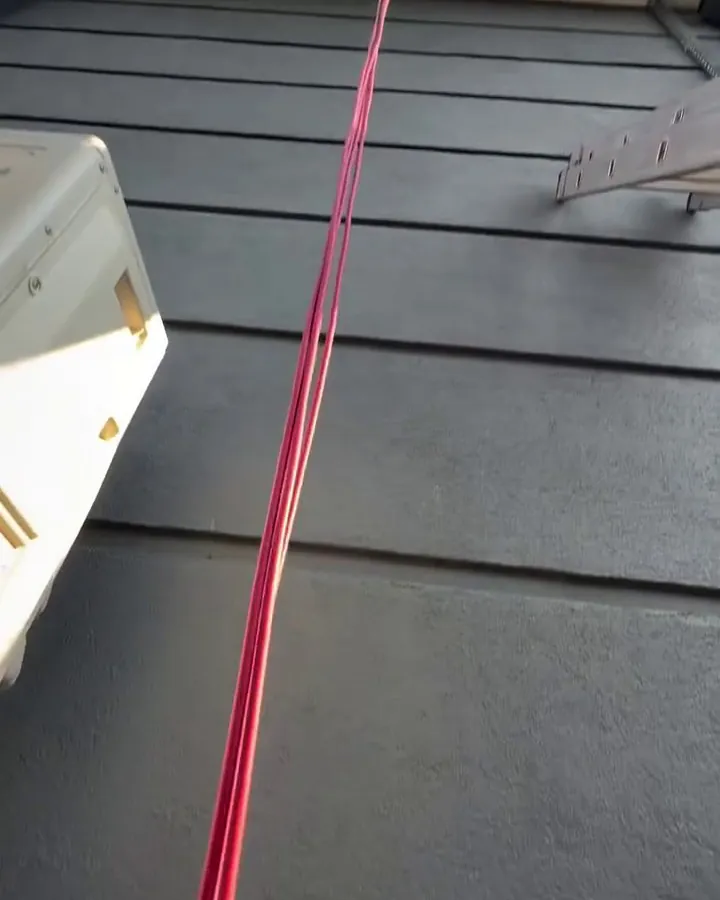
DC cables must resist sunlight and temperature cycling; ordinary cable insulation cracks under UV. Cables must not rub on sharp edges, the bend radius must be kept and they must be fixed with conduit or clips. A hanging cable rubs in the wind and its insulation wears. For detailed information, you can read our article on solar cables and connection components.
Fuses, switches and inverter protection
A correctly rated DC protective device for each string or group of strings cuts the circuit in case of overcurrent. A DC isolator is needed to safely separate the inverter side during maintenance; however, the panel side is still live. Suitable switches and protective devices must also be present on the AC side. The system's short-circuit and overload protection is calculated at the design stage; an experienced engineer determines these values according to the products' technical documents.
Inverter placement is also a safety decision. It must not be installed near flammable material, in a closed, unventilated place or on an escape route. The clearance the manufacturer requires must be left around the inverter, and the device must be in a dry, ventilated environment. Similar rules apply to the battery in hybrid systems; for battery fire risk and placement, see our article on solar battery maintenance.
Installation standard and roof type
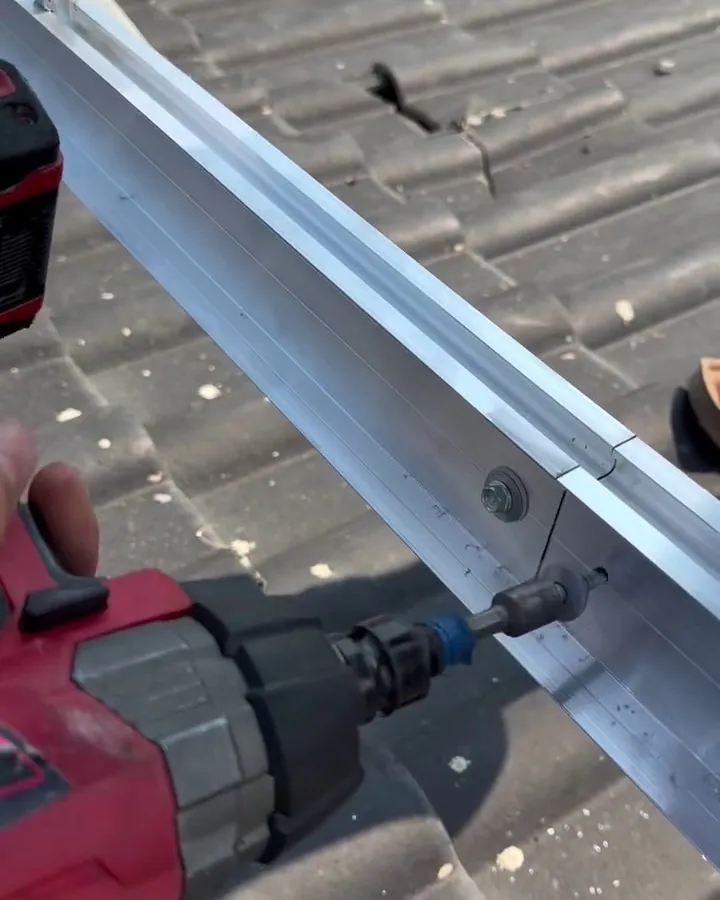
The manufacturer's manual is the most concrete document on fire safety. According to the TommaTech TT605-144TN10 datasheet, the panel must be mounted on a fire-resistant surface with enough ventilation left behind it. Panels must not be installed on fire-vulnerable roofs such as plastic or PVC without a fire-protection layer. Installation contrary to the manual voids the warranty. These three rules provide a solid fire-safety framework.
Roof types in Antalya are varied: tiled roofs, trapezoidal sheet, sandwich panel and flat terrace roofs. On a tiled roof you should check whether there is flammable insulation material under the hooks and rails, and on sandwich panel roofs the fire class of the filling material should be learned. On flat roofs, the resistance of the membrane and insulation layers to heat and to the pressure of rail feet is assessed. On the regulatory side, although there is a permit exemption in planned areas, there are still separate project, technical responsibility (fenni mesuliyet) and authority permission conditions; the roof's load-bearing capacity must be assessed by a civil engineer.
Labelling and preparation for the fire service
In a fire, firefighters must know where the system is, which switch separates it and that the DC line may remain live. For this reason, clear warning labels should be placed on the inverter and panels, and the system's single-line diagram and switch locations should be accessible at the building entrance or on the panel. The information that panels keep producing voltage in daylight and that high-voltage DC cables run along the roof is important for the response team.
It is also useful to share information on this with the building management, apartment or housing-estate management. Where the cable conduits pass along the roof route, free roof access routes and maintenance corridors between panels should be shown on a plan. For insurance coverage, our article on solar plant insurance can also be a guide.
Fire safety is not a job done once and left; as the system ages, connector and cable behaviour changes. Temperature cycling on the roof, vibration caused by wind and humidity can slowly loosen connections. For this reason an inspection at the end of the first year creates a reference point for later years. Keeping the first measurement values and thermal images makes it possible to compare when a change occurs later.
Regular inspection and monitoring
- Monitoring: Sudden production drops, string current differences and inverter warnings are early signs.
- Thermal inspection: Connector and connection heating can be caught with a thermal camera before visible damage occurs; for details, see thermal camera panel inspection.
- Visual inspection: Look for discolouration, melted plastic, burn marks, hanging cables and bird nests.
- Smell and sound: A burning smell, crackling or buzzing can be a warning; if you see these signs around the device, safely switch the system off and call the technical team.
- After lightning and storms: Checking SPDs and earthing prevents damage turning into a fire.
Climbing onto the roof, touching cables or opening connectors is dangerous. The DC line is live when there is daylight; only a trained and authorised team should carry out these operations. If you suspect a fire, first ensure your own safety, switch off the AC and DC isolators from a safe distance if possible, call the fire service and say that there may be voltage in the system. Do not intervene with water; voltage may continue in the panels.
The approach at Solar Nexo
At the survey stage at Solar Nexo, we examine the roof type, insulation material and surroundings, and follow the manufacturers' manuals when choosing equipment. We complete the installation, cabling and commissioning steps with the relevant documentation, and after installation we provide maintenance and 24/7 technical support. For mounting systems, our article on solar panel mounting systems gives more information. For your questions, you can request a free site survey through our contact page.
Conclusion
Solar plant fire safety is the combination of correct connectors and cable, suitable fuses and switches, mounting on a ventilated, non-combustible surface, clear labelling and regular thermal and visual inspection. Most of the risk shows up in installation quality; so working with a documented, experienced team that follows the manufacturer's manual is the most important measure. When you see a suspicious smell, heating or burn marks, call a qualified team without delay.
Frequently asked questions
Can a solar panel start a fire?
In systems that are correctly designed, installed and maintained the risk is low; however, defects such as a loose connector, damaged cable, wrong fuse or flammable roof material can lead to a fire. The measures are installation in line with the manufacturer's manual, compatible equipment and regular thermal and visual inspection. Sudden changes in monitoring data also give early warning. The risk is therefore something managed through design and operating quality.
What is a DC arc and why is it dangerous?
A DC arc is an electrical discharge that passes through air between two conductors on a direct-current line. Unlike alternating current, in DC the current does not pass through zero, so once an arc forms it may not extinguish itself and it produces very high heat. A loose terminal, bad crimp and damaged insulation are the main causes; some inverters come with arc detection. Even in models with arc detection, connection quality remains just as important.
Can connectors of different brands be plugged together?
Even if they physically fit, connectors from different manufacturers may be incompatible in contact surface and tightness; over time this leads to heating, oxidation and arc risk. The same type of connector from the same manufacturer must be used, with a suitable crimping tool and correct assembly. It is recommended that a qualified team carry this out. The principle of the same manufacturer, the same type and the correct torque applies to all connections.
Can solar panels be installed on a plastic or sandwich panel roof?
According to the TommaTech datasheet, panels must not be installed on fire-vulnerable roofs such as plastic or PVC without a fire-protection layer; the panel must be mounted on a fire-resistant surface with ventilation left behind it. On sandwich panel roofs, the fire class of the filling material must be learned and assessed by the project engineer. The type and thickness of the fire-protection layer must be determined by the project engineer.
What should the fire service know in a solar plant fire?
It is important for the fire service to know where the system is, that the DC line may remain live in daylight and where the AC and DC isolators are. For this reason, clear warning labels should be placed on the panels, and the single-line diagram and switch locations should be accessible. Intervening on panels with water during a fire can be dangerous because of voltage; call the fire service and give the information. This information is vital for the safety of the response team.
What should I do if I notice a burning smell or a heated connector?
Do not intervene yourself. If possible, switch off the AC and DC isolators from a safe distance, but remember that the DC line may remain live in daylight. Do not touch the device or cable, do not climb onto the roof and call a qualified technical team. If there is smoke or flame, call the fire service and say that there is voltage in the system. Even if the signs pass, the cause must be investigated by the technical team.
How often should I have a fire-safety inspection done?
There is no fixed interval; it depends on system size and age. As a general framework, it is reasonable to follow monitoring data regularly, to have a qualified team check connectors, cables, earthing and SPDs once a year, and to carry out thermal camera and measurements when in doubt or after events. The installation manual and project conditions are decisive. Inspection results should be kept in writing.
Sources
Want a clear calculation for your roof?
The Solar Nexo team carries out a free site survey at your address in Antalya and designs the system that suits your roof, consumption and budget.