
Short answer
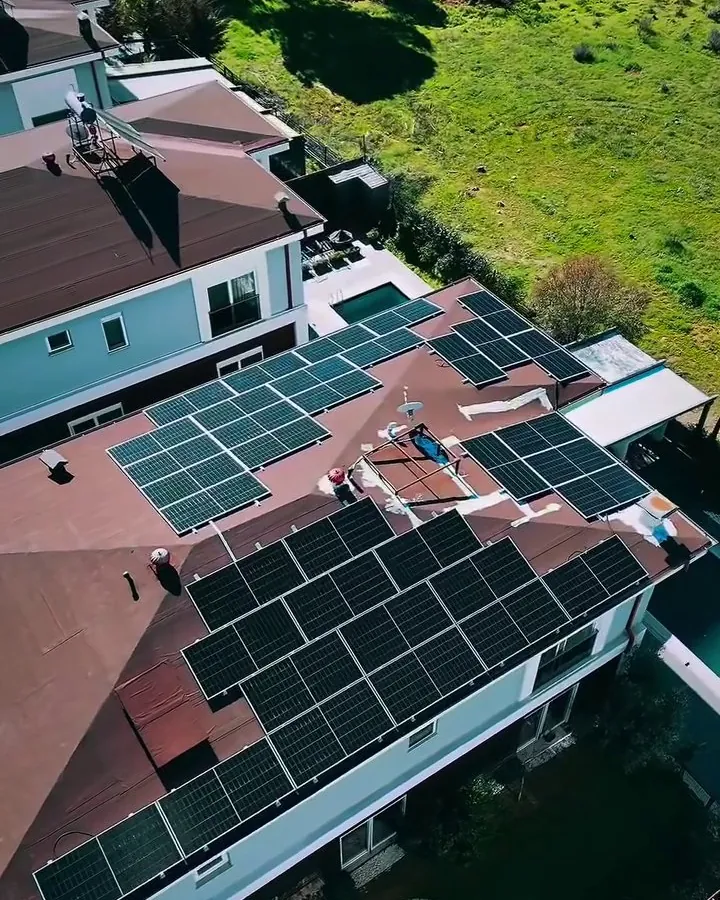
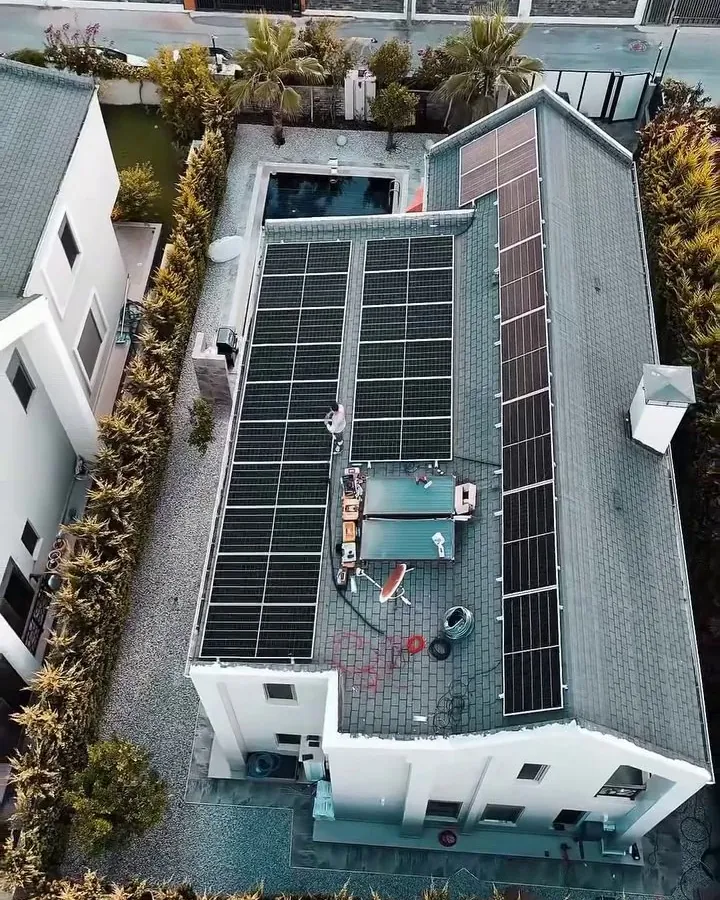
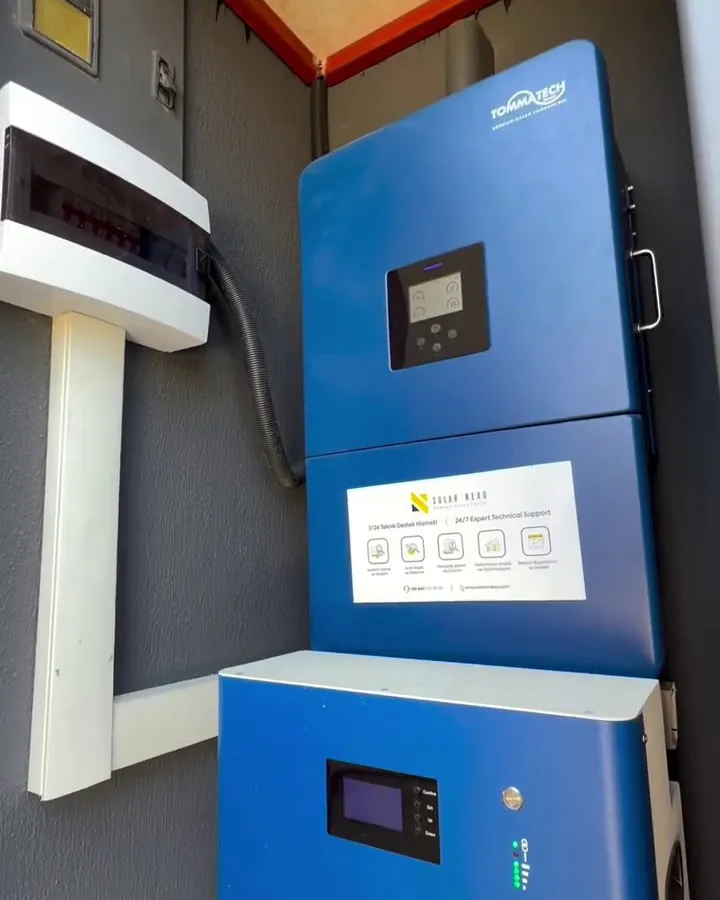
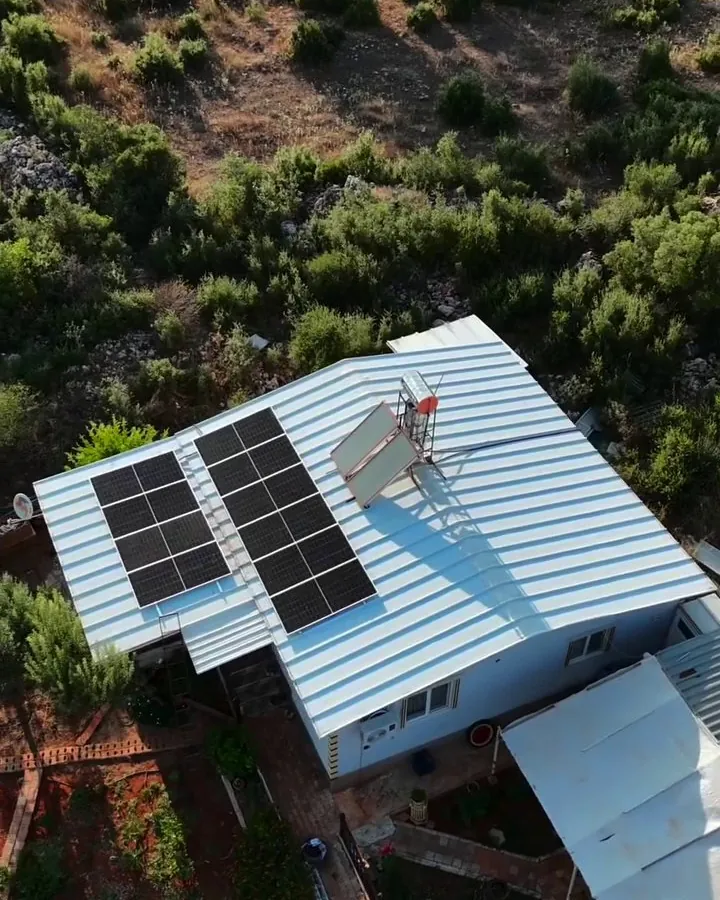
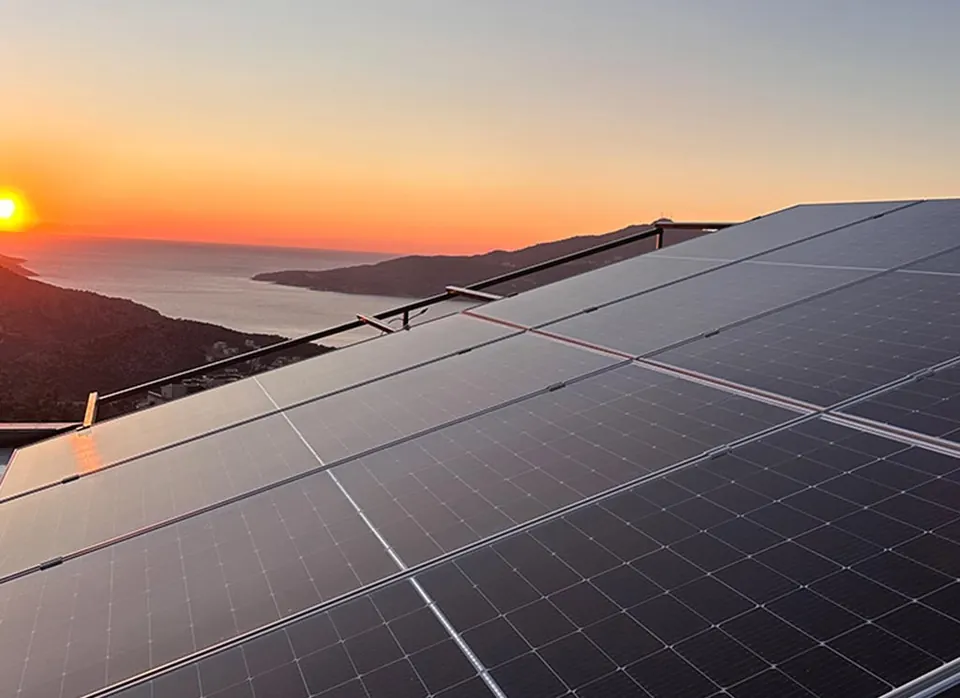
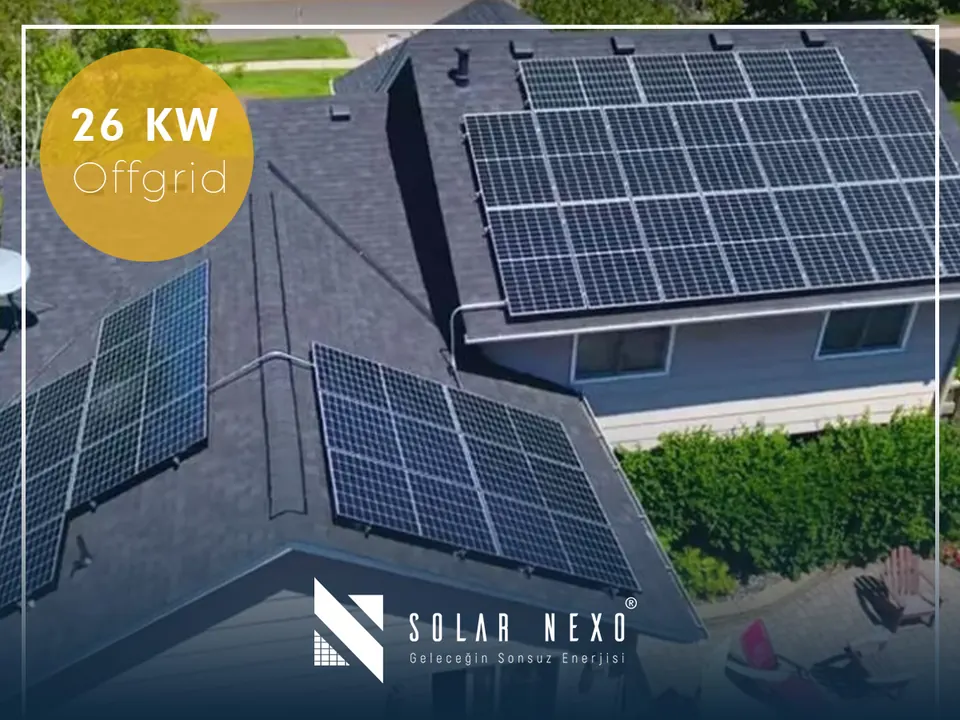
Solar Nexo is a solar company based in Kepez, Antalya. In this reference project, a 26 kW grid-independent solar system with battery storage was installed on a villa roof. With a panel array, an off-grid inverter and a battery bank, it is designed to cover the villa's daytime and night-time electricity needs.
Project summary
One of Solar Nexo's reference projects is a 26 kW off-grid solar system with battery storage, installed on a villa roof. The system is not connected to the grid; the villa's electricity comes directly from the panels in the daytime and from the battery bank at night. Location and date information is not given on this page.
System components
- Power: 26 kW (treated as panel power on this page)
- Panel array: photovoltaic panels on the villa roof
- Inverter: off-grid inverter operating independently of the grid
- Storage: battery bank; type and capacity are not specified
- Supporting parts: DC and AC protection, cabling, earthing, mounting structure
Why was this system designed this way?
Energy balance in a villa without a grid
In an off-grid system the grid is not a backup source. Production, storage and consumption must balance one another on their own. For this reason the design starts with two numbers: daily energy need (kWh/day) and the peak power of loads that can run at the same time (kW). In villas, air conditioning, kitchen appliances, the water pump and lighting determine these two values.
Battery sizing logic
Battery capacity is found as follows: the night and cloudy-day load is multiplied by the number of days of autonomy and divided by the usable depth of discharge and the cycle efficiency. A general example (not project data): with a night load of 20 kWh, 1 day of autonomy, 80% depth of discharge and 90% efficiency, 20 / (0.8 × 0.9) requires about 28 kWh. This project's battery capacity is not specified on the page.
Usage scenarios
Deferrable loads such as laundry, the dishwasher and pumps are shifted to the daytime, that is, to production hours. In the evening, air conditioning and lighting are fed from the battery. In winter production falls: in PVGIS values, January is 99 kWh/kWp and July is 168 kWh/kWp, so January production is about 59% of July's. This gap is closed with load management or, where needed, a backup source.
Winter and cloudy-day strategy
In villa off-grid systems the hardest period is the winter weeks, when production is low and air conditioning and heating loads are high. In this period the load list is reviewed; large loads such as an electric water heater are put on a time schedule. Where needed, a backup generator input can be added to the inverter to charge the battery bank. This option is not stated in the project information; it is a general design approach.
Estimated production
In the PVGIS calculation (European Commission JRC, PVGIS 5.3) for central Antalya conditions, assuming optimum tilt and 14% system losses, annual specific production is 1,656 kWh/kWp. With the PVGIS reference for central Antalya, for 26 kW of power this means a theoretical production potential of about 43,056 kWh/year.
| Period | Specific production (kWh/kWp) | Estimated production (kWh) |
|---|---|---|
| January (lowest) | 99 | 2,574 |
| July (highest) | 168 | 4,368 |
| Annual | 1,656 | 43,056 |
In an off-grid system not all production may be usable: when the battery is full, panel output is curtailed. The value in the table is therefore production potential, not energy consumed. The "26 kW" value in the table is treated as panel power. These values are a theoretical PVGIS calculation; actual production varies with roof or land orientation, tilt and shading.
Installation and commissioning process
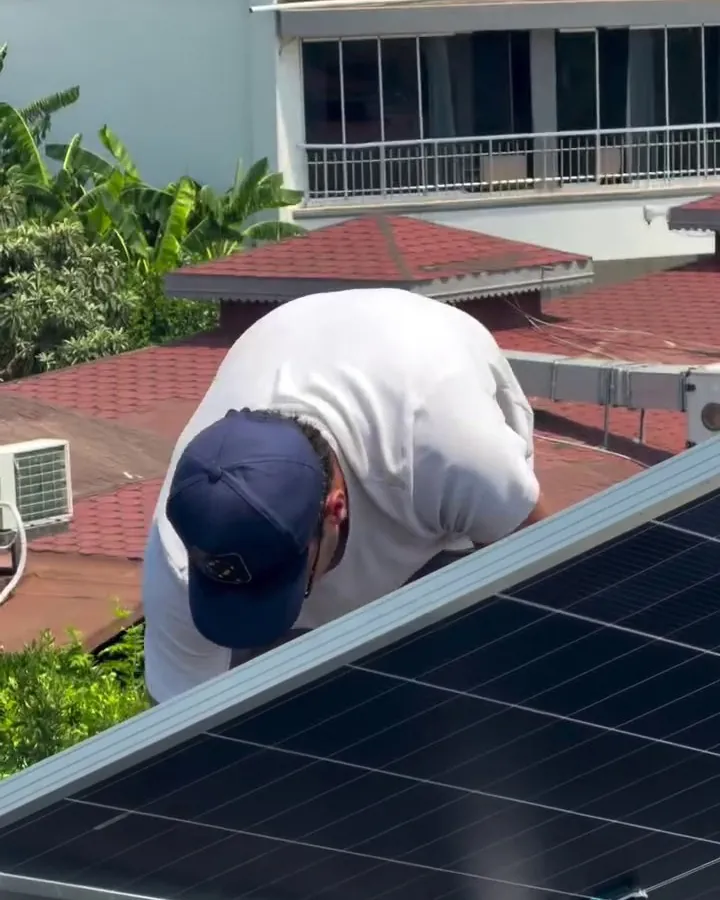
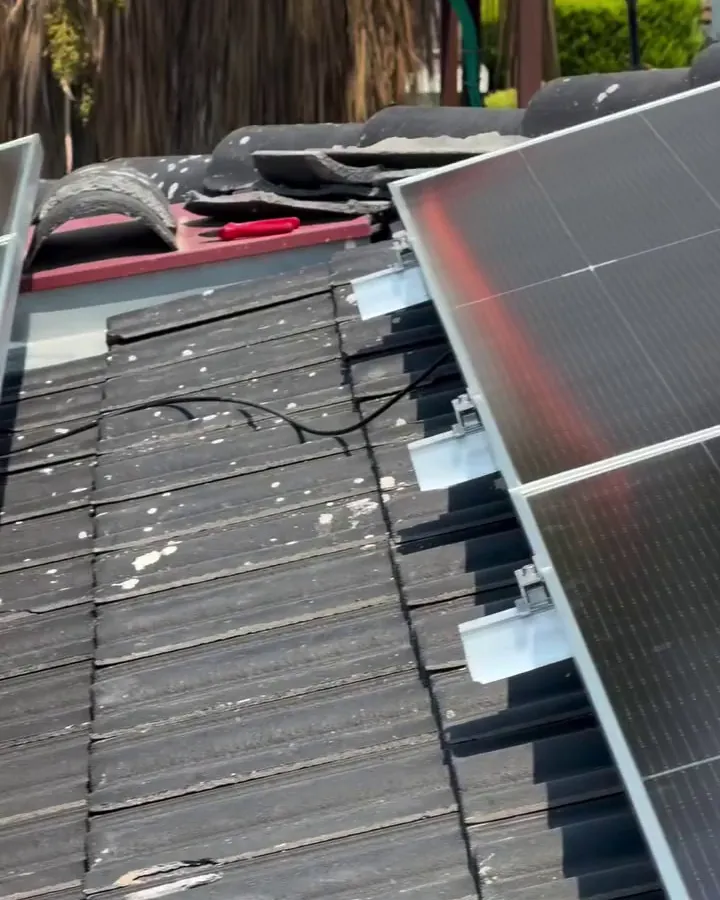
At the survey, the villa roof is assessed for orientation, tilt, shading and load-bearing capacity. Then the load list is drawn up and the panel and battery size are calculated. During installation the roof structure, DC cabling and the inverter-battery room are built; at commissioning the battery management system and inverter settings are configured. After installation, maintenance and 7/24 technical support continue.
For a similar system
It suits villas and detached homes that the grid line does not reach or where connecting is difficult. First you need to work out your daily consumption and peak load together.
- Off-grid systems service page
- Solar Nexo reference projects
- Solar energy calculation tool
- Contact for a free site survey
- What is an off-grid solar energy system
- Villa solar energy system design
Questions about this project
Does this system work without the grid?
Yes. An off-grid system is not connected to the grid; the villa is fed from the panels in the daytime and from the battery bank at night. It is therefore unaffected by grid outages. The system's continuity depends on battery capacity and consumption habits; if heavy loads are shifted to the daytime, the battery lasts longer. In other words, the absence of a grid is not a problem but a design input: the system is sized to run independently and user habits are planned accordingly.
How many kWh does a 26 kW villa system produce per year?
With the PVGIS reference for central Antalya of 1,656 kWh/kWp, a theoretical production potential of about 43,056 kWh/year is calculated. The real value varies with roof orientation, tilt and shading. In an off-grid system, production is curtailed when the battery is full, so the energy actually used may be lower. This number is only a theoretical upper limit; consumption and battery capacity are the limiting factors, so the result should be assessed together with the load list.
How is battery capacity chosen?
Capacity is found by multiplying the night and cloudy-day load by the desired number of days of autonomy and dividing by the usable depth of discharge and efficiency. The load list is drawn up first. With lithium iron phosphate batteries a deeper discharge can be used; the same load may therefore need less nominal capacity.
Related guides
Estimated yields are theoretical values based on PVGIS 5.3 data (EU Joint Research Centre); actual output depends on roof orientation, tilt, shading and temperature.
Considering a similar system?
The Solar Nexo team visits your property, reviews your consumption and roof, and designs the right system for you free of charge.