
Short answer
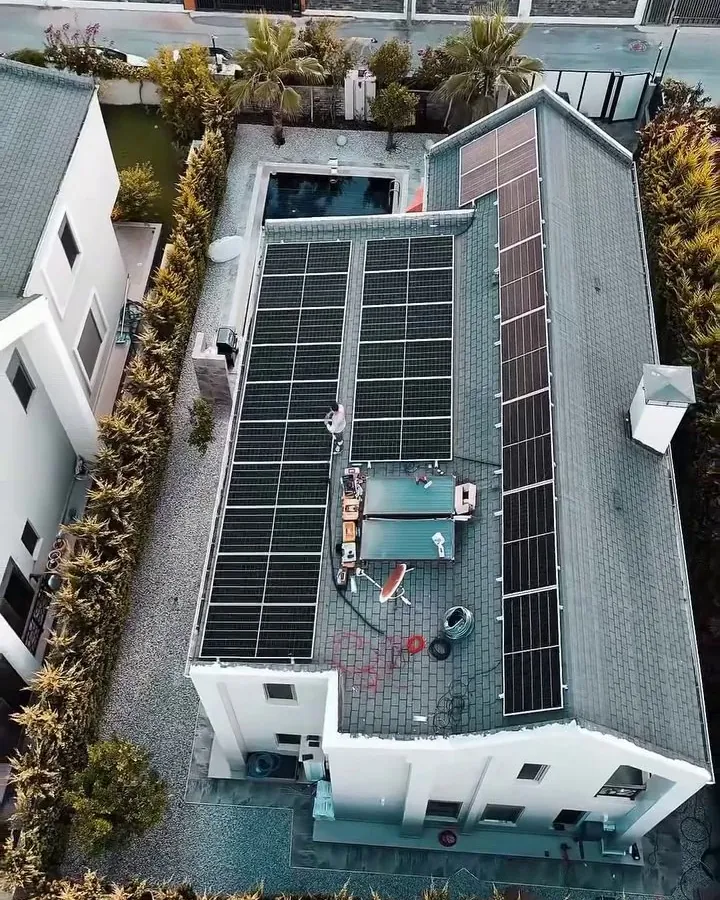
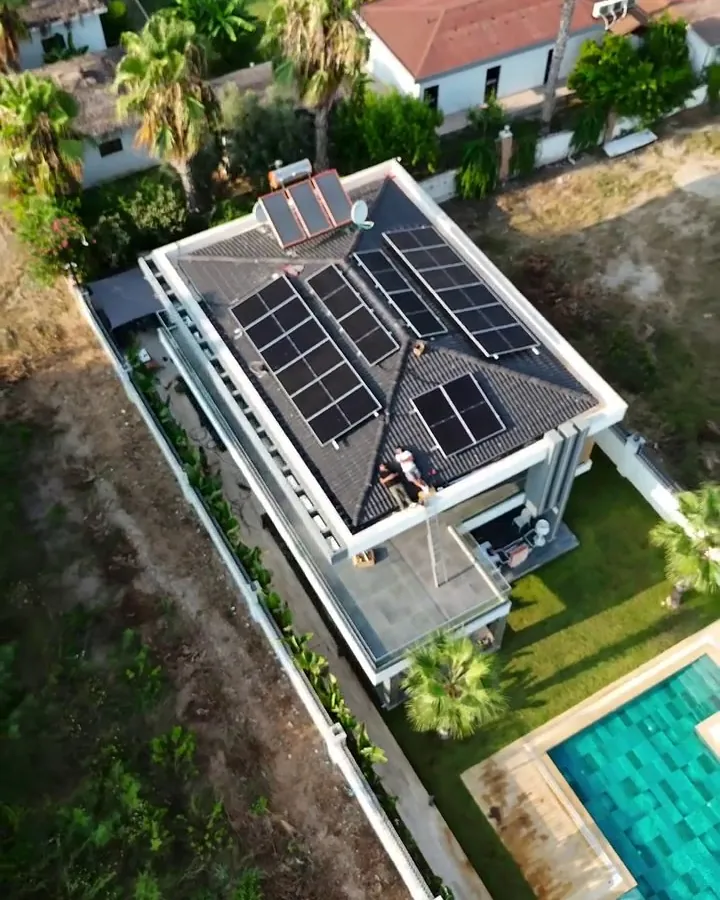
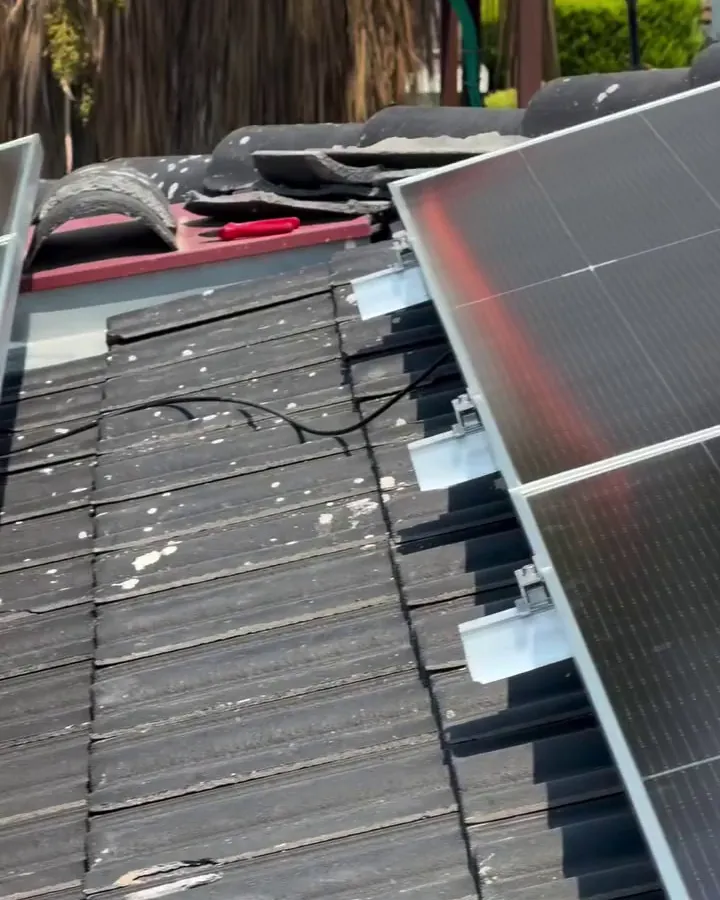
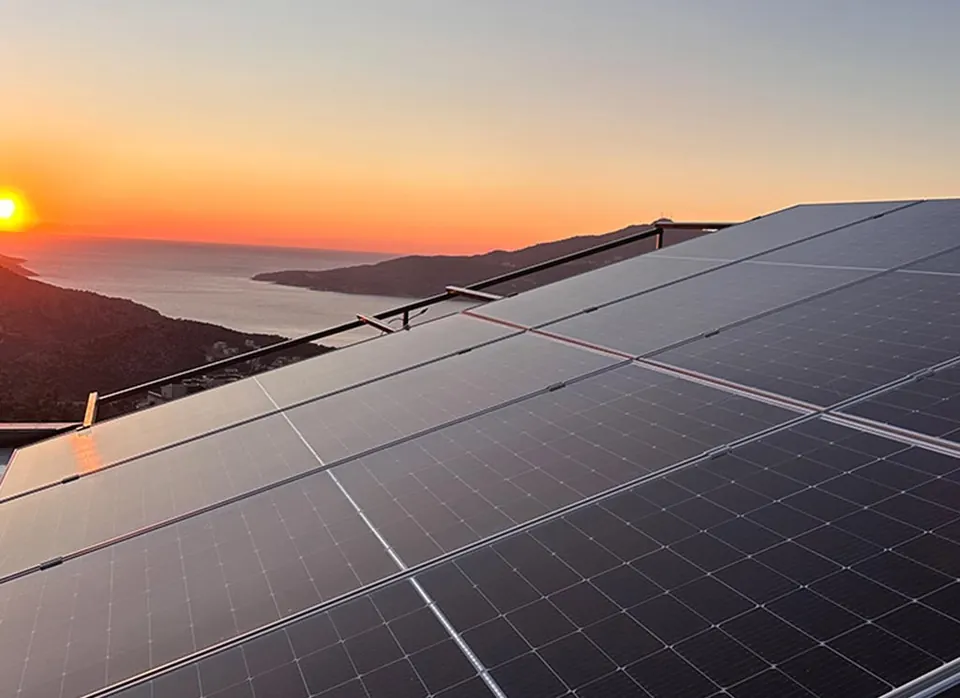
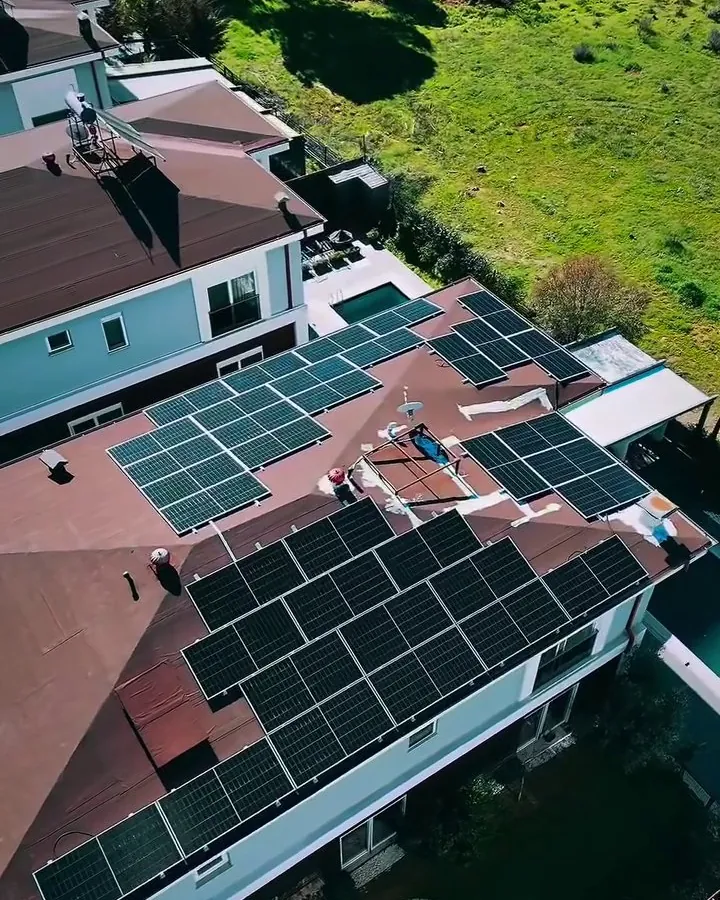
According to its Instagram post, Solar Nexo (a solar company in Antalya, based in Kepez) installed a hybrid system at a Döşemealtı villa in August 2026: 36 TommaTech 605 W panels (21.78 kWp), a 20 kW hybrid inverter and 30 kWh of LiFePO4 storage, aiming to use daytime output instantly and cut the bill.
The project video was published on the Solar Nexo Instagram account (@solarnexotr).
Project summary
In an Instagram post dated August 2026, Solar Nexo announced that it had completed a 36-panel, 21.78 kWp hybrid system for a villa in Döşemealtı. The goals stated in the post are threefold: consume daytime production instantly, keep the lights on in the evening with the battery, and cut the electricity bill significantly.
System components
| Component | Value |
|---|---|
| Panels | 36 × 605 W TommaTech |
| Total DC power | 21.78 kWp (36 × 605 W) |
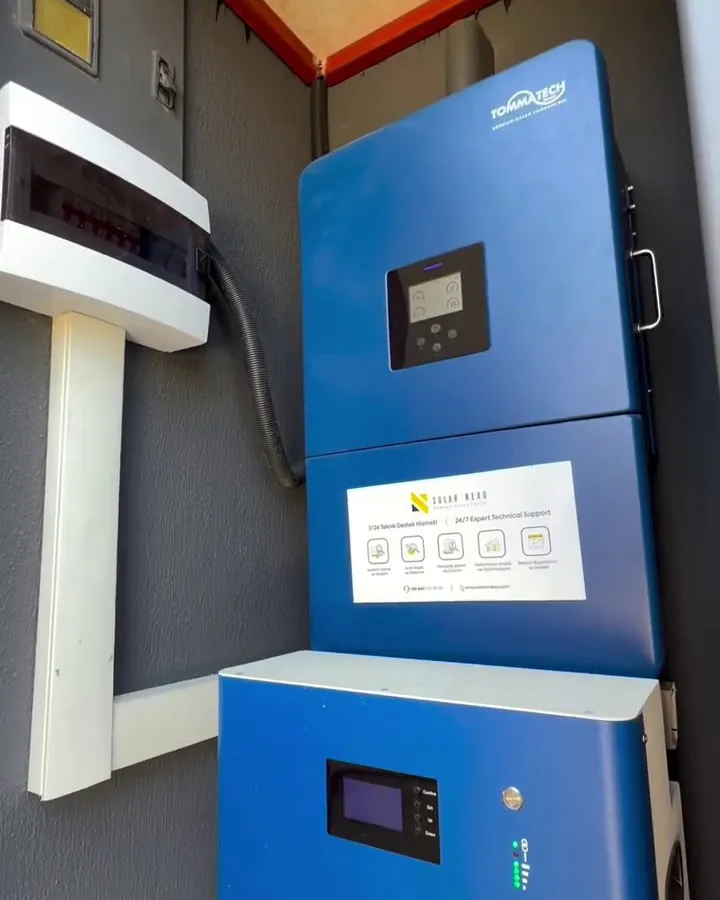
| Inverter | 20 kW hybrid inverter |
| Storage | 30 kWh LiFePO4 |
Why was this system designed this way?
The ratio of panel power to inverter power is 21.78 / 20 = 1.09. Panel output rarely reaches its nameplate rating in the field: in TommaTech's published datasheet for its 605 W TOPCon series (TT605-144TN10), the Pmax temperature coefficient is −0.30 %/°C; assuming 34 °C ambient and 1000 W/m² irradiance, the cell reaches roughly 65 °C and power falls about 12% below STC (calculated with the NOCT approach). A slight oversizing such as 1.09 therefore raises year-round inverter utilization without straining it at the midday peak. Because the post does not state the panel model, this coefficient is only an example for the series.
30 kWh of storage means about 1.4 kWh of battery per 1 kWp of panels. In theory the average daily production is around 118 kWh in July and 70 kWh in December; the battery equals about a quarter of daily production in summer and about 43% in winter. In summer the battery therefore fills before noon and surplus production goes straight to the load, while in winter the battery reaches full charge less often. This ratio suits a villa profile aimed at covering evening consumption.
A 20 kW inverter class can carry the peak demand of air conditioners, pumps and kitchen loads running at the same time in a villa. In a hybrid architecture the panels, battery and grid are managed through a single inverter, so the daily flow runs automatically: first the house, then the battery, and the remainder to the grid.
The hybrid inverter manages three flows during the day: panel output goes to the household loads first, the surplus charges the battery, and once the battery is full the rest is fed to the grid. At night the order reverses. A regulatory note (as of October 2026, Official Gazette of 2 April 2026): no payment is made for energy fed from storage to the grid. The real value of a 30 kWh battery is therefore not selling energy but consuming it in your own home in the evening.
Estimated production
Using the PVGIS reference of 1,656 kWh/kWp/year for central Antalya (an approximate reference for Döşemealtı), 21.78 kWp gives about 36,070 kWh of theoretical production per year. These figures are a PVGIS-based theoretical calculation; actual production varies with roof orientation, tilt, shading and panel soiling.
| Month | Theoretical production (kWh) |
|---|---|
| January | 2,156 |
| February | 2,352 |
| March | 3,093 |
| April | 3,267 |
| May | 3,419 |
| June | 3,463 |
| July | 3,659 |
| August | 3,637 |
| September | 3,376 |
| October | 2,984 |
| November | 2,483 |
| December | 2,156 |
Installation and commissioning process
Solar Nexo's process starts with a free site survey: roof orientation, shading and the existing consumption profile are reviewed. Project design follows; if the system will run connected to the grid, an application to the distribution company is required. After installation and commissioning, maintenance and 7/24 technical support take over. The post gives no timeline or stage details specific to this project.
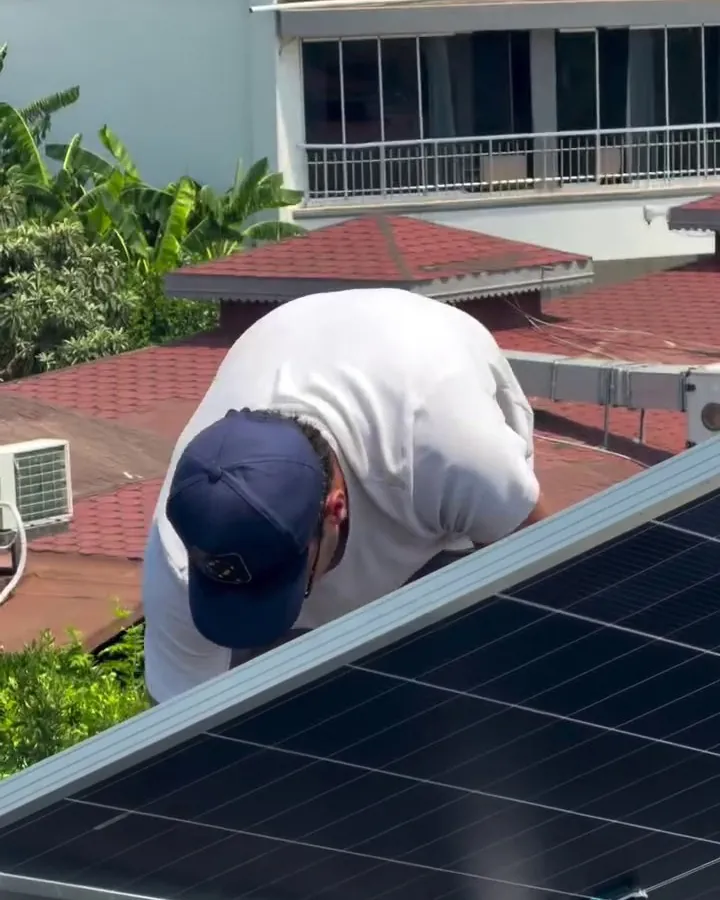
During installation, the 36 panels are usually split into several strings and distributed across the inverter's MPPT inputs; the number of strings and their layout depend on the roof surfaces. At commissioning, DC polarity, insulation resistance and battery communication are tested, and then the monitoring system is set up.
For a similar system
This scale suits villa owners who are away during the day and use a lot of electricity in the evening. For how it works, see our hybrid system service; for villa sizing, the villa design guide; and for the local picture, our Döşemealtı article. For other projects, see the references page; for a preliminary estimate based on your own consumption, use the calculation tool; and for a free site survey, use the contact page. If you are looking for solar installation in Antalya or solar panels in Antalya for a villa, this is the kind of system we design.
Questions about this project
Will this system work during a grid outage?
Hybrid inverters usually offer a backup output, but the Instagram post does not say how this project behaves during an outage. If you want certain circuits powered during an outage, they are separated onto a critical-load line at the design stage and sized to the inverter's backup output power. The exact behavior is determined by the installed inverter model and the circuit separation.
How many kWh does a 21.78 kWp system produce per year?
Calculated with the PVGIS reference for central Antalya of 1,656 kWh/kWp/year, theoretical production is about 36,070 kWh. This is an approximate reference; actual production varies with roof orientation, tilt, shading and soiling. A roof-specific survey and calculation are needed for a precise result. This estimate is based only on panel power and does not look at the consumption profile.
How many hours can a 30 kWh battery power a home?
The duration depends entirely on consumption. For example, for a home drawing an average of 2 kW from evening to morning, 30 kWh of nominal capacity is in theory about 15 hours of energy; in practice usable capacity, inverter losses and the discharge limit reduce this. With high loads (air conditioning, pumps) the duration shortens noticeably. This calculation is only an example load assumption; your home's real profile is worked out during the survey.
Related guides
Estimated yields are theoretical values based on PVGIS 5.3 data (EU Joint Research Centre); actual output depends on roof orientation, tilt, shading and temperature.
Considering a similar system?
The Solar Nexo team visits your property, reviews your consumption and roof, and designs the right system for you free of charge.