
Short answer
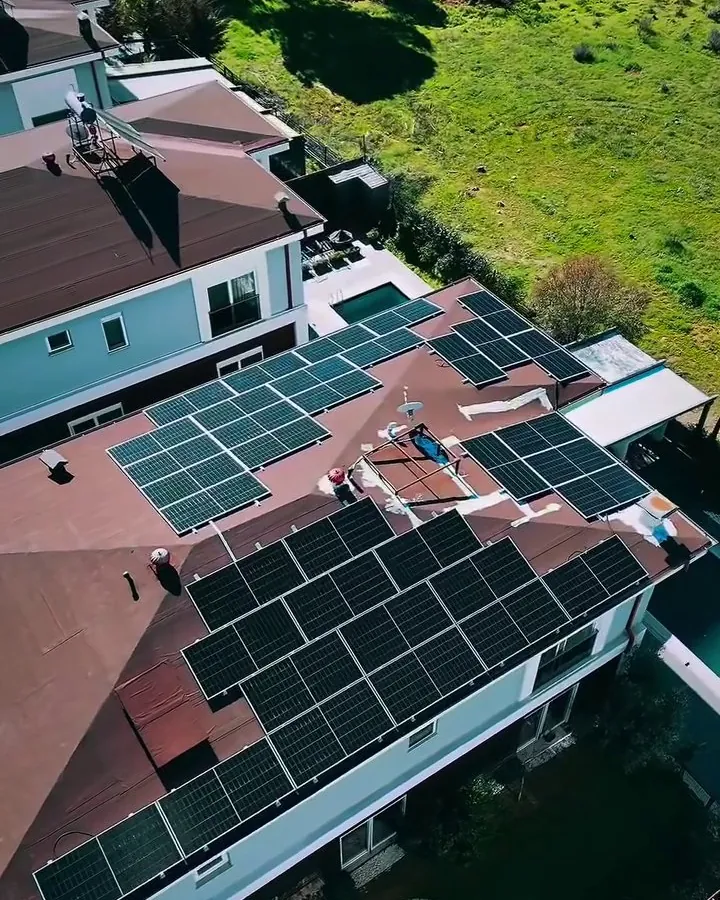
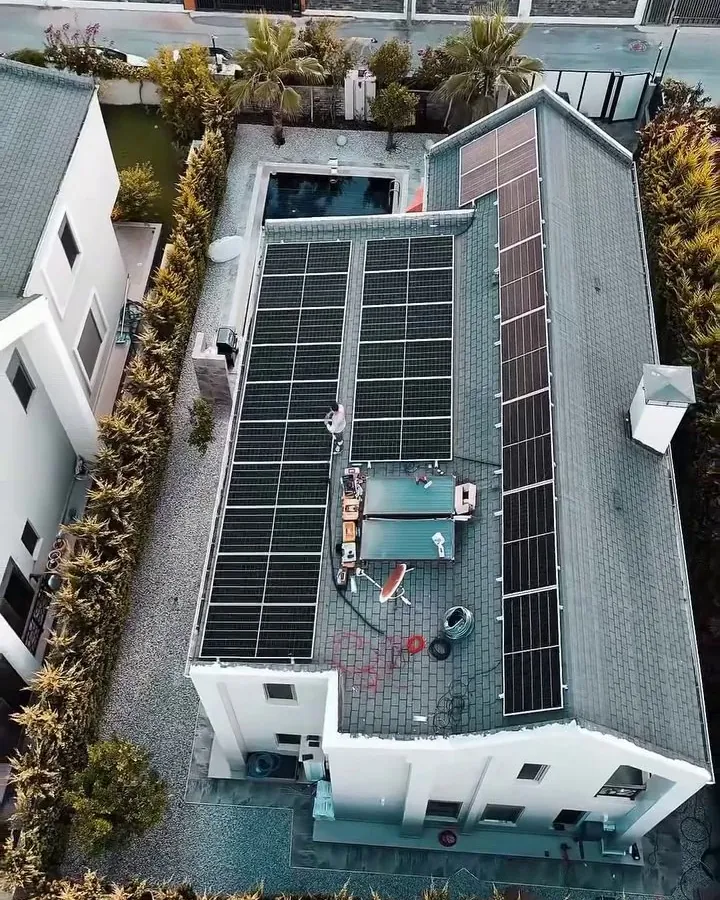
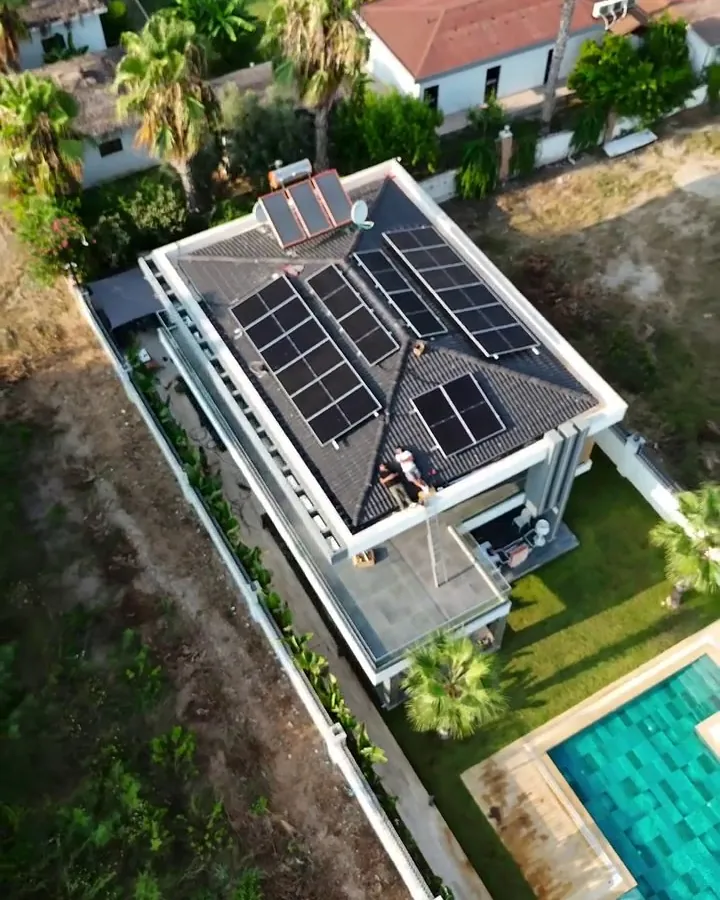
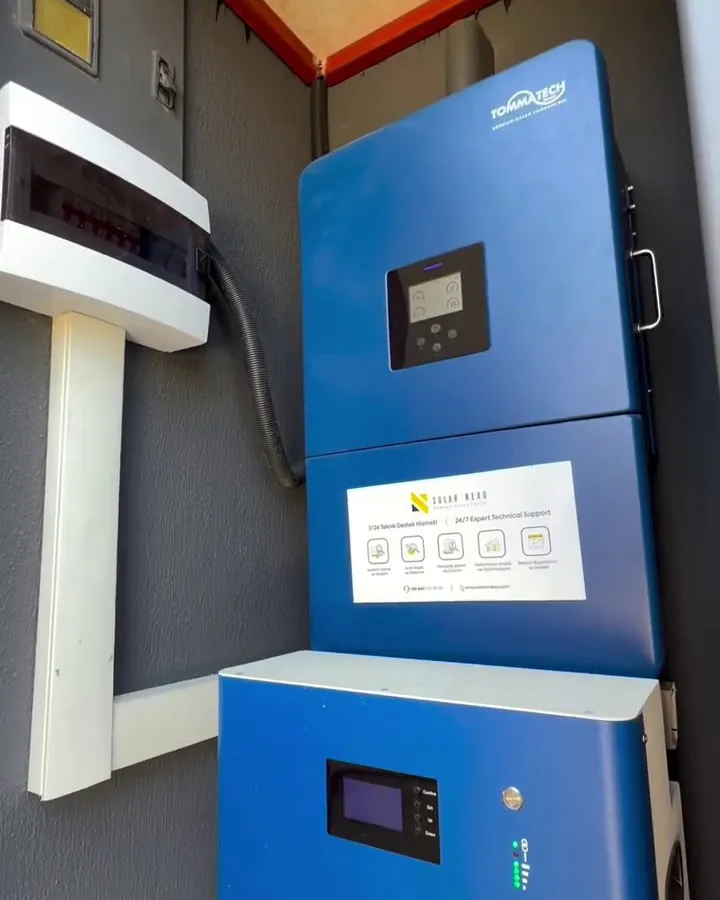
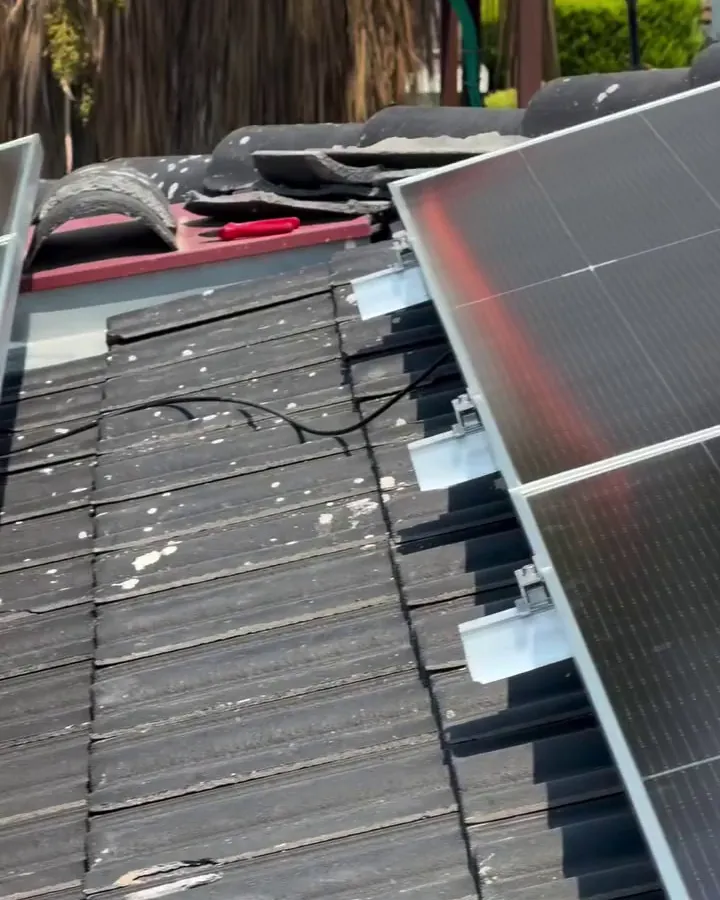
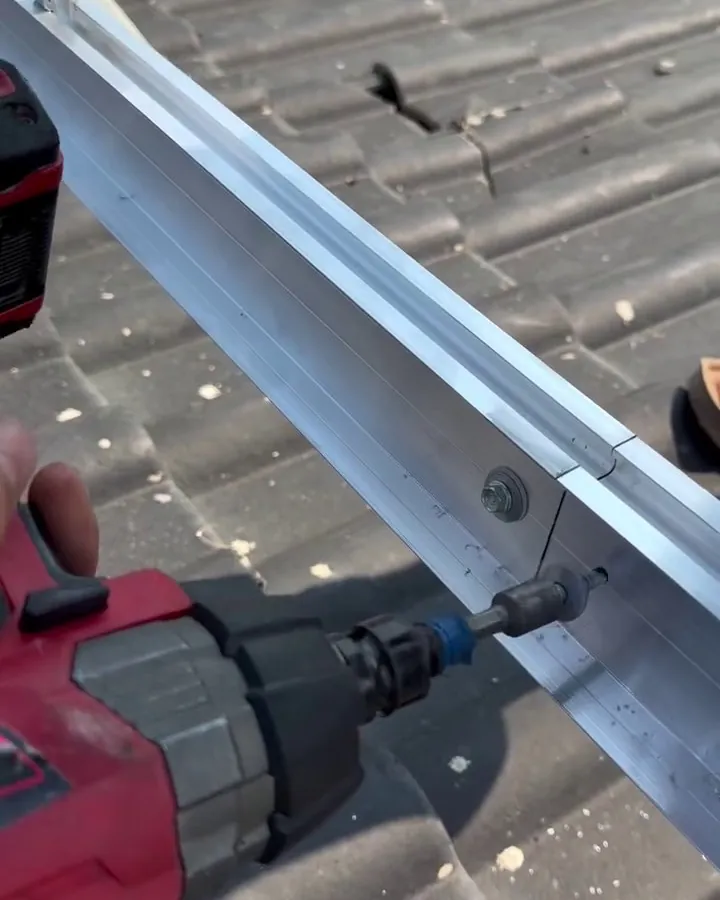
According to the Instagram post's visual, Solar Nexo (a solar company in Antalya, based in Kepez) completed a project at a Manavgat villa in August 2026 in 16 hours: 18 panels of 600 W (10.8 kWp), a 20 kW hybrid inverter and 30 kWh of storage. The video shows the rail mounting, panel placement and cabling stages on the roof.
The project video was published on the Solar Nexo Instagram account (@solarnexotr).
Project summary
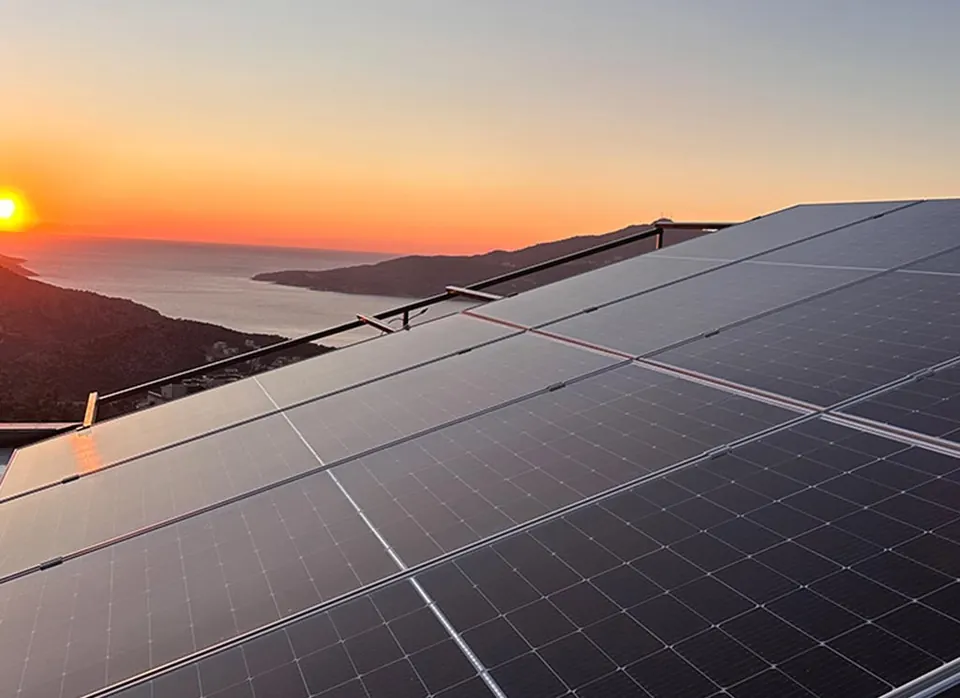
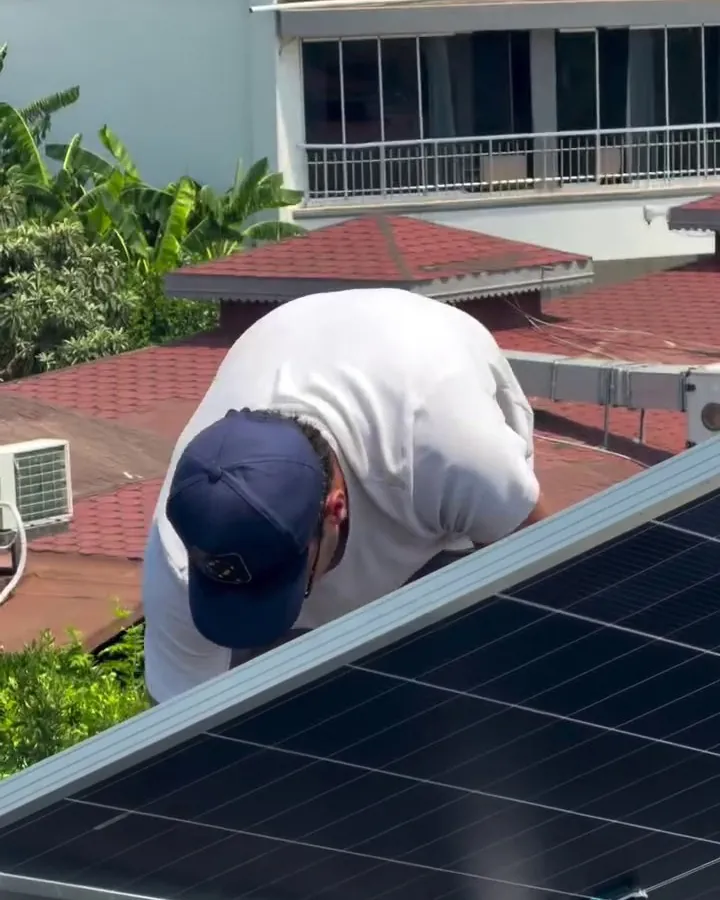
The Instagram post dated August 2026 shows Solar Nexo finishing the rooftop installation at a Manavgat villa within a single working day. According to the information in the post's visual, the system consists of 18 panels of 600 W (10.8 kWp), a 20 kW hybrid inverter and 30 kWh of storage; the project completion time is stated as 16 hours. The video shows the rail mounting, panel placement and cabling steps.
System components
| Component | Value in the post's visual |
|---|---|
| Panels | 18 × 600 W (10.8 kWp) |
| Inverter | 20 kW hybrid |
| Storage | 30 kWh |
| Completion time | 16 hours |
Why was this system designed this way?
The ratio that stands out in this project is the difference between battery and panels: 30 kWh of storage is paired with 10.8 kWp of panels, which works out to about 2.8 kWh of battery per kWp. In theory the average daily production is 59 kWh in July and 34 kWh in December. Because even in December daily production is close to the battery's nominal capacity, once household consumption is subtracted the battery should not be expected to fill completely every day in winter; on cloudy days grid support is needed. The logic of choosing a large battery is to store the surplus on days of abundant production and use it through the evening and night.
The panel-to-inverter ratio is 10.8 / 20 = 0.54. This low ratio shows that the inverter is sized for the villa's peak load demand independently of panel production. Technically it also leaves headroom on the inverter side if panels are to be added later; this is an engineering assessment, and the post does not state any such plan for this project.
The installation sequence matters from an engineering standpoint. First the rails and feet suited to the roof covering are fixed, then the panels are placed, the DC cables are routed and connected to the inverter and the battery. To finish in one day, the equipment must arrive on site ready and the cable routes must be planned in advance. Installation in line with the installation manual is also critical for the panel warranty; according to the TommaTech datasheet, panels must not be installed on non-fire-resistant roofs without a protective layer.
The small panel count also shows in installation time. For 18 panels the rail run is kept short, the number of roof attachment points stays limited and the DC cabling is completed in one or two strings. If higher-power panels are placed on the same roof area, the same kWp is reached with fewer panels; 600 W class panels were used here. The roof covering type determines the mounting method, but the covering type of this roof is not stated in the post.
Estimated production
With the PVGIS value for Manavgat of 1,649 kWh/kWp/year, a 10.8 kWp system gives about 17,810 kWh of theoretical production per year. These figures are a PVGIS-based theoretical calculation; actual production varies with roof orientation, tilt, shading and panel soiling.
Installation and commissioning process
Fast installation is the result of preparation. Solar Nexo first does a free site survey, inspects the roof and the electrical panel, and designs the project. If a grid connection is planned, an application step is added; the official application time is independent of the installation time, and 16 hours refers only to the installation and commissioning work on the roof. Maintenance and 7/24 technical support are provided afterwards.
In the free survey the roof is measured, a shading analysis is done, and the electrical panel and the inverter and battery location are determined. On installation day the team carries out the rail, panel, cable and inverter work in sequence; at commissioning, polarity, voltage and insulation checks are made.
For a similar system
This setup is an example for villas with a small roof that want a solution with a battery. For the step-by-step process, our installation guide, our mounting systems article and the hybrid system service are useful. You can also look at the references, the calculation tool and the contact pages. If you are comparing a solar company in Antalya for a quick, well-prepared installation, start with a free survey.
Questions about this project
Can a solar system really be installed in 16 hours?
In this project the post's visual states the completion time as 16 hours. This time covers the roof installation and commissioning work. Factors such as the grid application, project approval and roof condition can lengthen the total process; every project's duration is different and is not promised in advance. Preparation and team organization determine this time.
How many kWh does a 10.8 kWp system produce per year in Manavgat?
With the PVGIS value for Manavgat of 1,649 kWh/kWp/year, theoretical production is about 17,810 kWh. Actual production varies with roof orientation, tilt and shading; this figure is an estimate. The factors affecting production are clarified in a roof-specific survey. This estimate is based only on panel power and does not look at the consumption profile. Before giving any timeline, the roof and the electrical infrastructure are always seen on site.
Will a 30 kWh battery fill with 10.8 kWp of panels?
In summer, theoretical daily production is enough to fill the battery. In winter, since daily production is close to the battery capacity, once household consumption is subtracted a full battery cannot be guaranteed every day. On cloudy days the grid steps in, so full independence is not promised. For this reason the system should be thought of as grid-supported, not as one that runs independently all year.
Related guides
Estimated yields are theoretical values based on PVGIS 5.3 data (EU Joint Research Centre); actual output depends on roof orientation, tilt, shading and temperature.
Considering a similar system?
The Solar Nexo team visits your property, reviews your consumption and roof, and designs the right system for you free of charge.