
Short answer
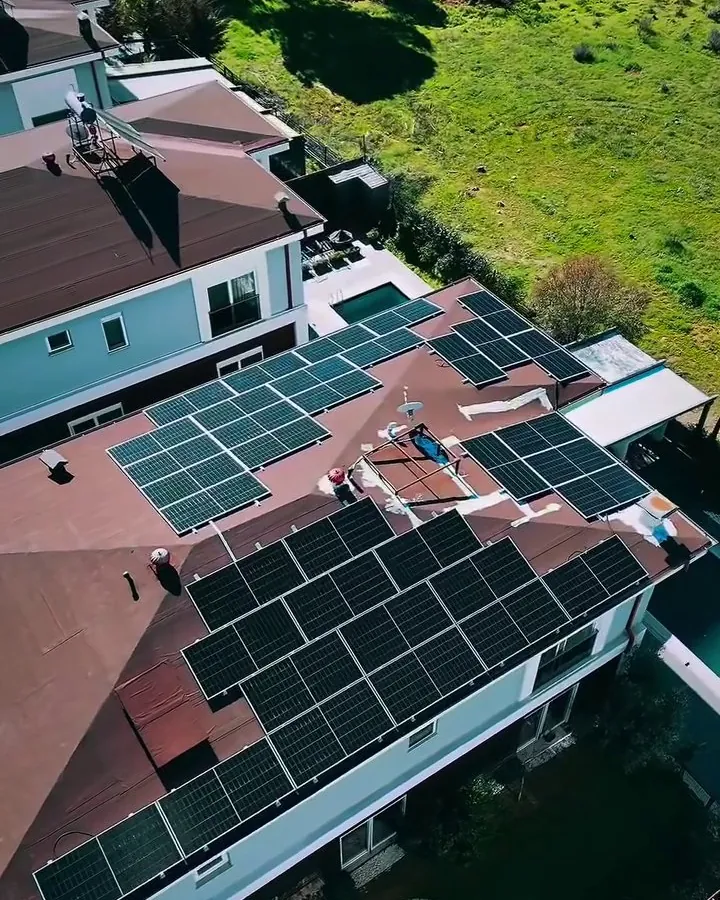
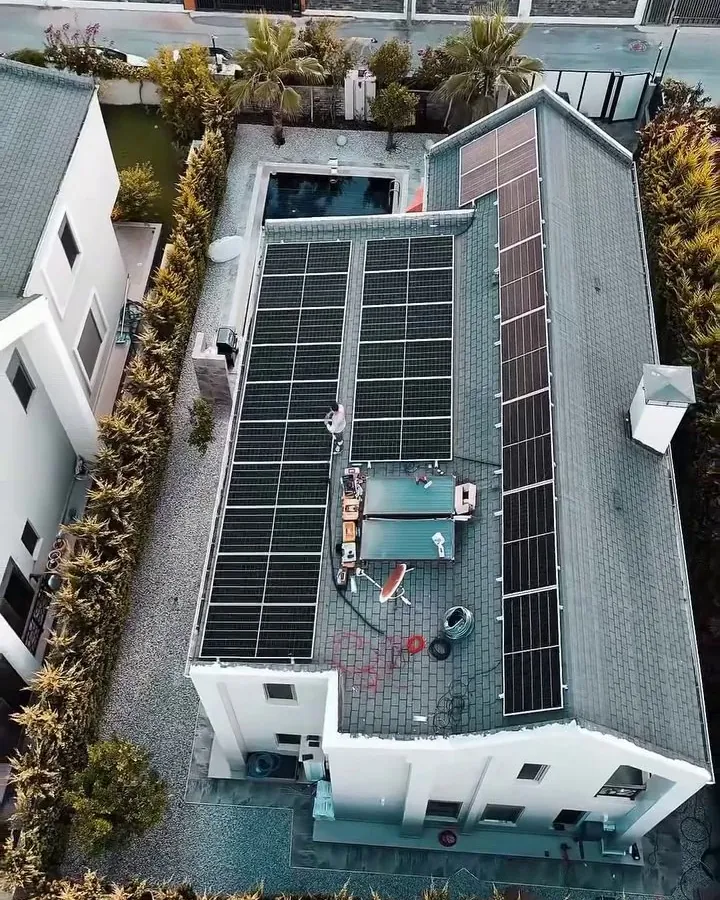
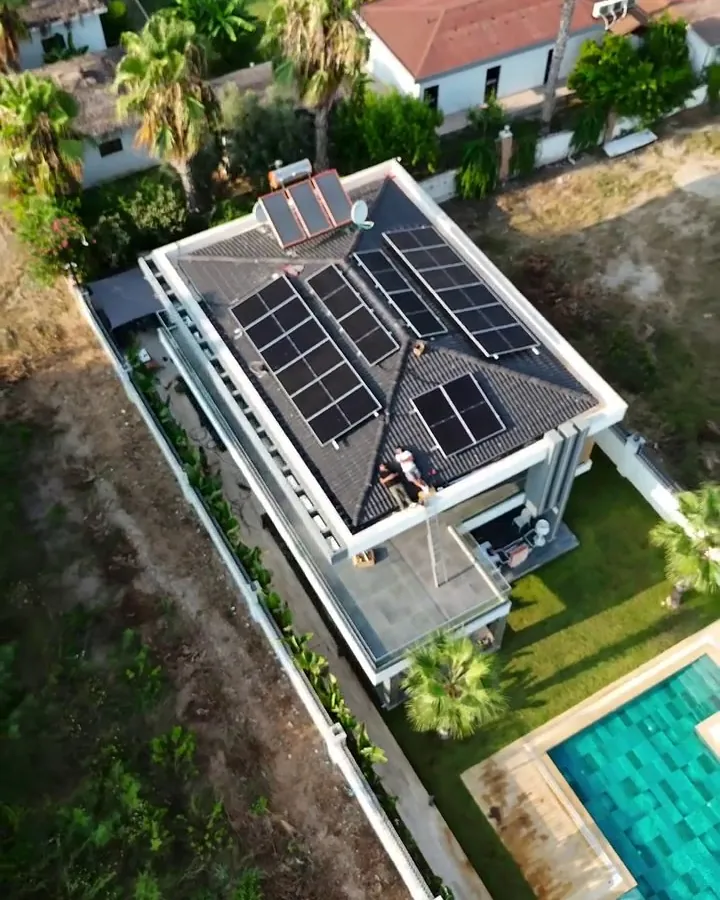
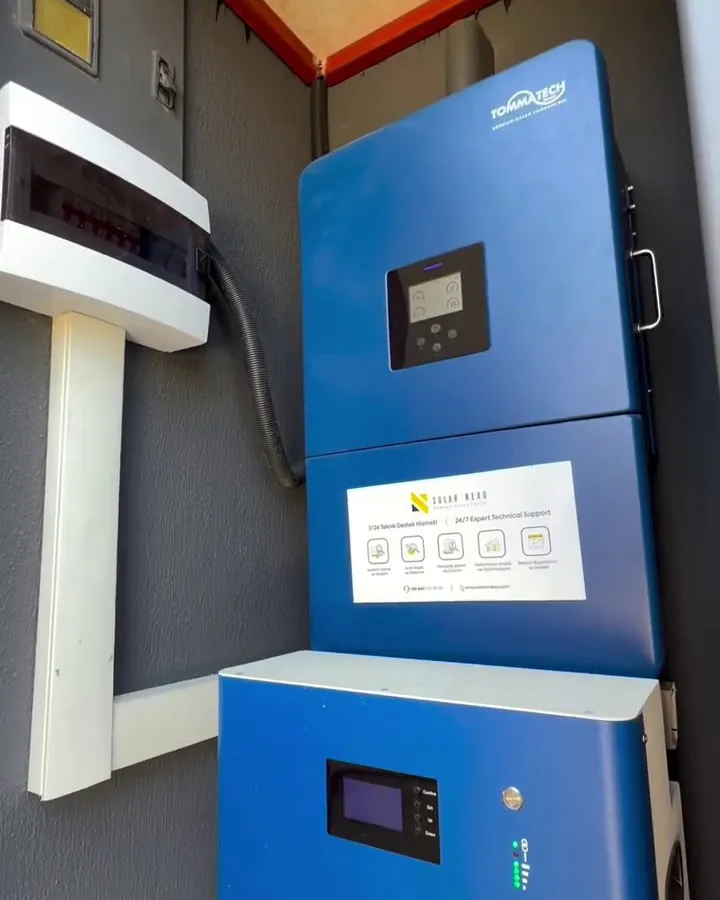
According to its Instagram post, Solar Nexo (a solar company in Antalya, based in Kepez) installed a hybrid system at a villa in Konyaaltı in May 2026: 25 TommaTech 620 W panels (15.5 kWp), a 15 kW hybrid inverter and 15 kWh of LiFePO4 storage. Higher-power panels reach the same kWp with fewer modules.
The project video was published on the Solar Nexo Instagram account (@solarnexotr).
Project summary
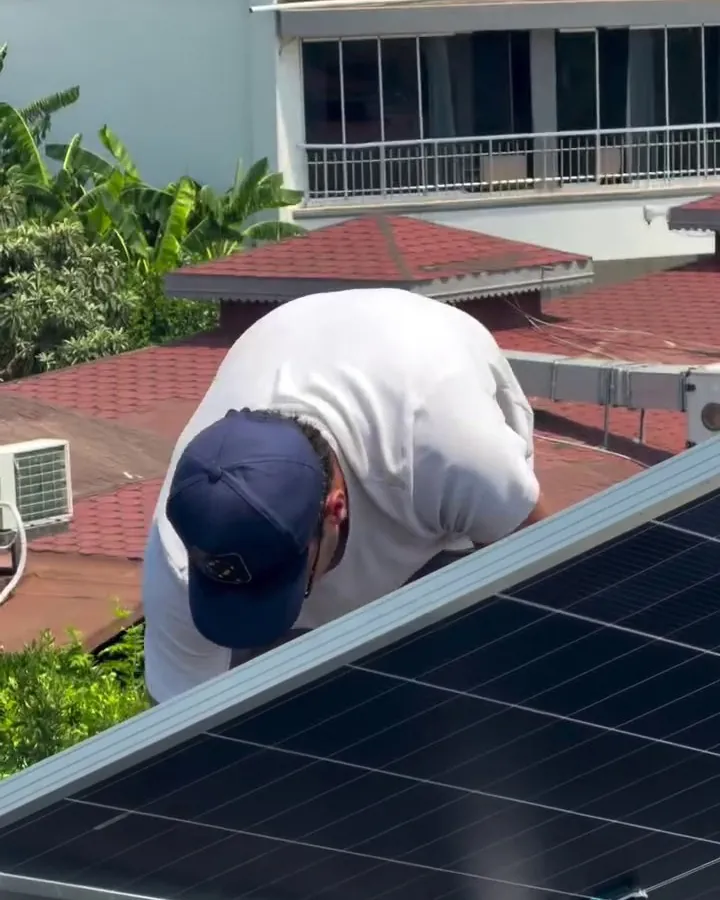
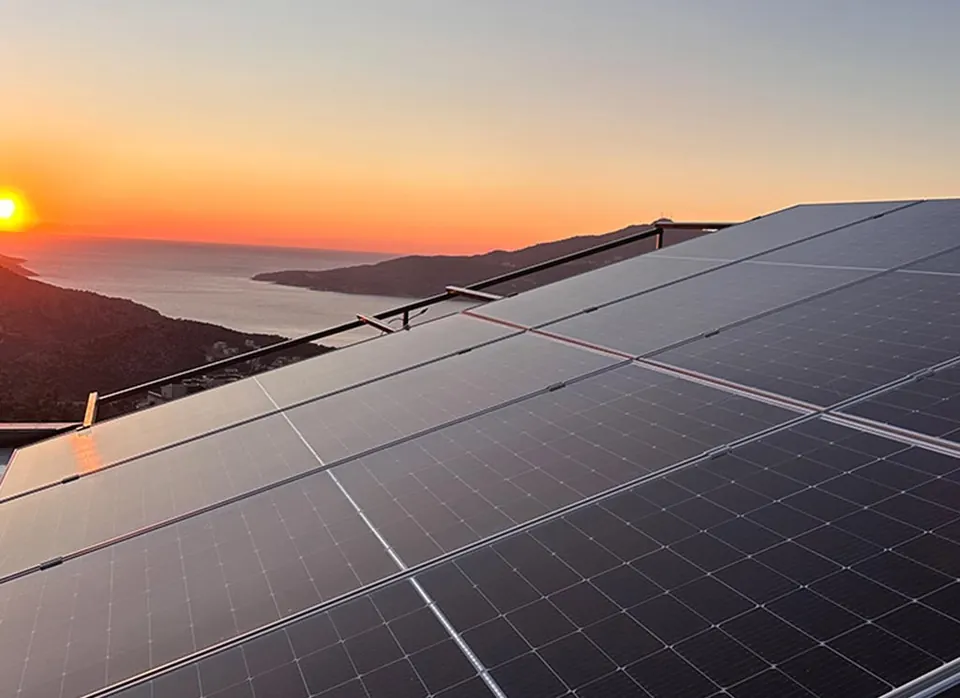
The Instagram post dated May 2026 shows that Solar Nexo installed a 15.5 kWp hybrid system made up of 25 TommaTech 620 W panels for a villa in Konyaaltı. The system's inverter is 15 kW and its battery is 15 kWh. Because the post's visual shows the panel in close-up, this project is a good example for explaining how higher panel power changes the design.
System components
- Panels: 25 × 620 W TommaTech, 15.5 kWp in total
- Inverter: 15 kW hybrid inverter
- Storage: 15 kWh LiFePO4
Why was this system designed this way?
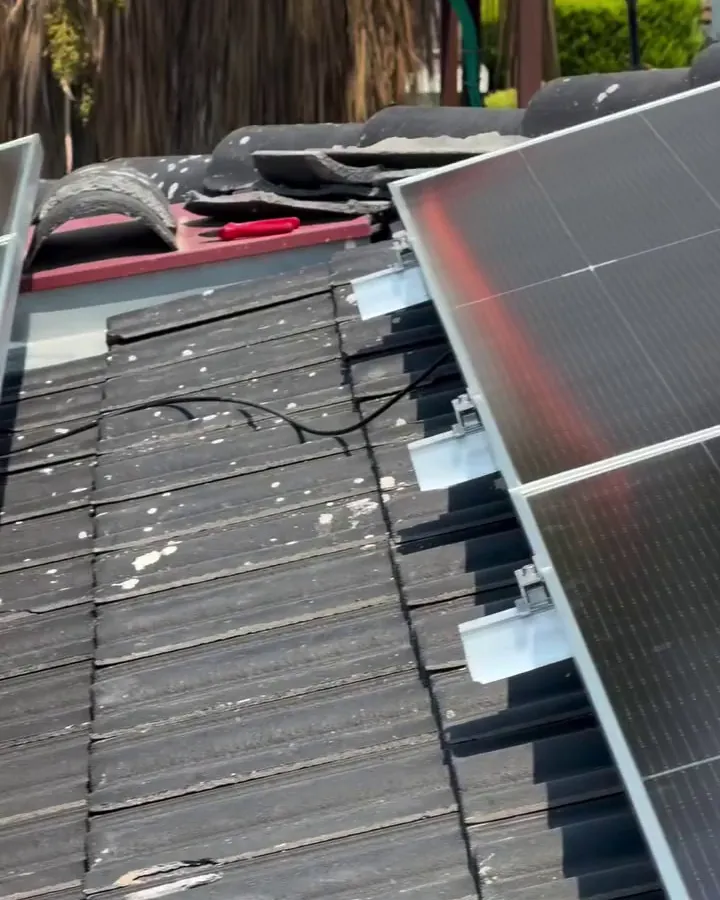
As panel power rises, the same kWp is reached with fewer modules. Building 15.5 kWp with 600 W panels would have needed about 26 modules; with 620 W panels, 25 modules were enough. That means one module fewer on the roof, but the real gain is fewer meters of rail, fewer clamps and fewer DC connection points. Fewer connection points shorten installation time and reduce the number of points that could one day fail. Higher-power modules can have larger bodies, and the roof layout is planned accordingly.
The panel-to-inverter ratio is 15.5 / 15 = 1.03. This is a practical balance in hybrid villas: the inverter carries almost the full panel power, and the fact that panels rarely reach their nameplate rating because of temperature and irradiance losses does not strain it. The battery-to-panel ratio is 15 / 15.5 = 0.97 kWh/kWp; that is about 1 kWh of storage per 1 kWp. In theory the average daily production in July is 84 kWh, and the battery corresponds to about 18% of that. For this reason the battery covers the first hours of evening consumption and should not be expected to carry the night on its own.
Because Konyaaltı is on the sea coast, salty humidity is taken into account in the choice of metal fasteners and cables in locations close to the shore. The villa's distance from the sea is not stated in the post; this part is a general engineering note for the area. Corrosion-resistant aluminum rails and stainless fasteners are the preferred solutions in coastal areas.
Another point with higher-power panels is string voltage and current. As module power rises, current or voltage per module rises; the number of panels connected in series in a string is therefore recalculated against the inverter's maximum DC input voltage and MPPT current limit. The electrical values of the 620 W panel are not given in the post, so the result of this calculation is not written here; from an engineering standpoint it is a step that must be verified separately in the project.
Estimated production
Taking the PVGIS reference of 1,656 kWh/kWp/year for central Antalya (also an approximate reference for Konyaaltı), 15.5 kWp gives about 25,670 kWh of theoretical production per year. About 2,464 kWh is expected for June and about 1,534 kWh for December. These figures are a PVGIS-based theoretical calculation; actual production varies with roof orientation, tilt, shading and panel soiling.
Installation and commissioning process
Solar Nexo's process starts with a free site survey; roof orientation, tilt and shading are assessed. Project design follows, and if a grid connection is planned the distribution company application is prepared. After installation and commissioning, maintenance and 7/24 technical support continue. This project's timeline is not stated in the post.
For a similar system
A similar scale can be considered for villas around Konyaaltı, Hurma and Liman. Our hybrid system service, our Konyaaltı villa article and the villa design guide give details. You can also look at the references, the calculation tool and the contact pages. If you are looking for solar panels in Antalya for a coastal villa, we start from a free survey.
Questions about this project
What is the difference between a 620 W panel and a 600 W panel?
For the same total power, a 620 W panel needs fewer modules; about 25 modules for 15.5 kWp, versus about 26 modules with 600 W panels. Fewer modules mean fewer rails, clamps and DC connections. Higher-power panels usually have larger bodies, and the roof layout is planned accordingly.
How many kWh does a 15.5 kWp system produce per year in Konyaaltı?
With the PVGIS reference for central Antalya of 1,656 kWh/kWp/year, theoretical production is about 25,670 kWh. A separate PVGIS value was not used for Konyaaltı; this is an approximate reference. Actual production varies with roof orientation, tilt, shading and soiling. The actual layout is determined in the survey according to the roof dimensions.
Are solar panels affected by salt in a villa close to the coast?
In locations close to the coast, salty humidity can increase the risk of corrosion on metal fasteners and cable ends. For this reason corrosion-resistant aluminum rails and stainless fasteners are preferred, and regular inspection is recommended. Because this villa's distance from the sea is not stated in the post, the project-specific risk is unknown.
Related guides
Estimated yields are theoretical values based on PVGIS 5.3 data (EU Joint Research Centre); actual output depends on roof orientation, tilt, shading and temperature.
Considering a similar system?
The Solar Nexo team visits your property, reviews your consumption and roof, and designs the right system for you free of charge.