
Short answer
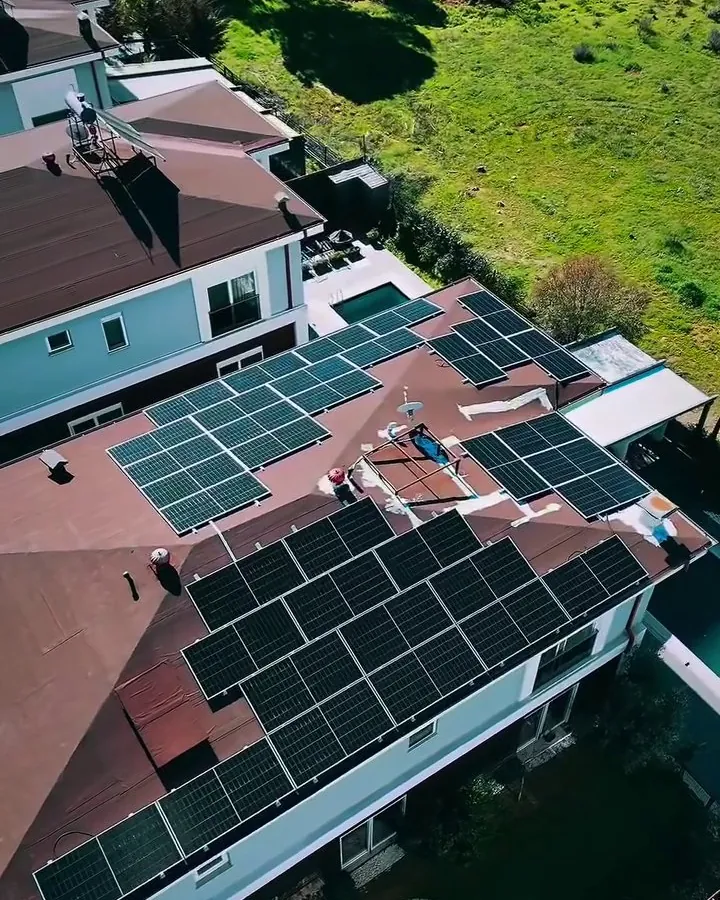
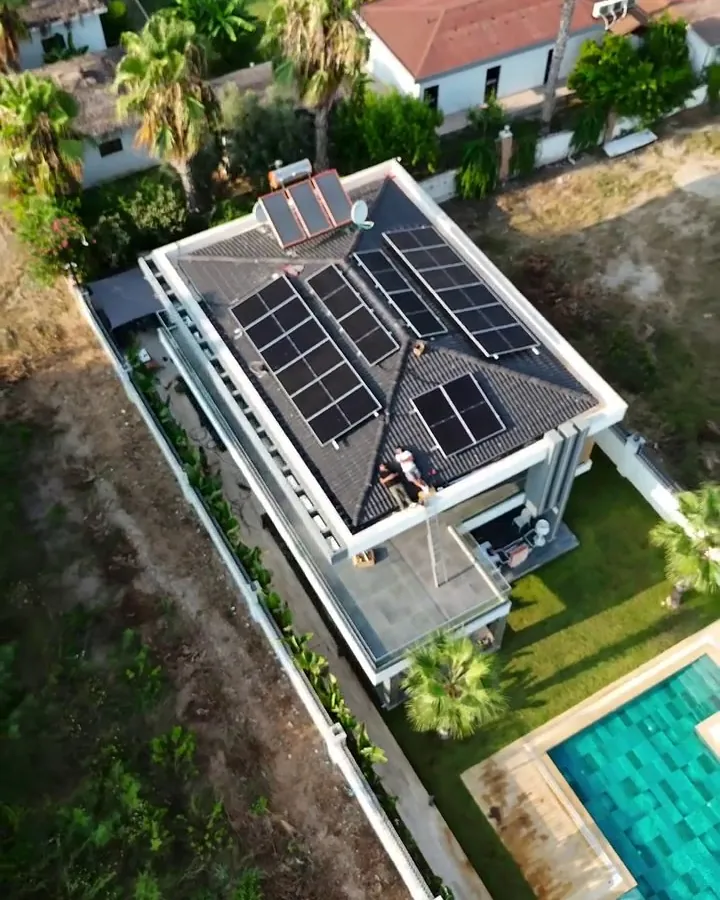
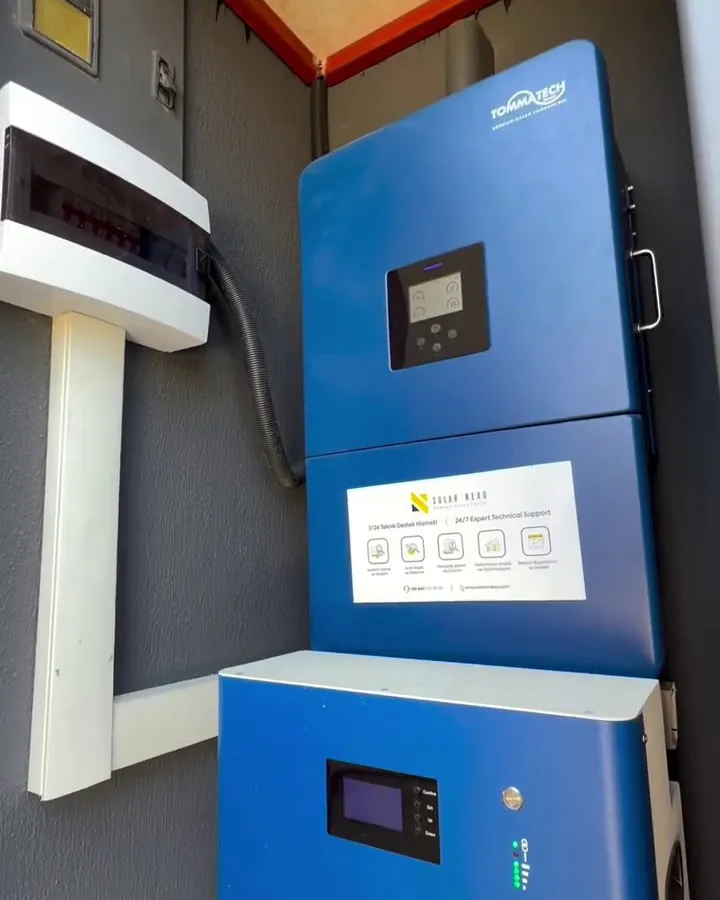
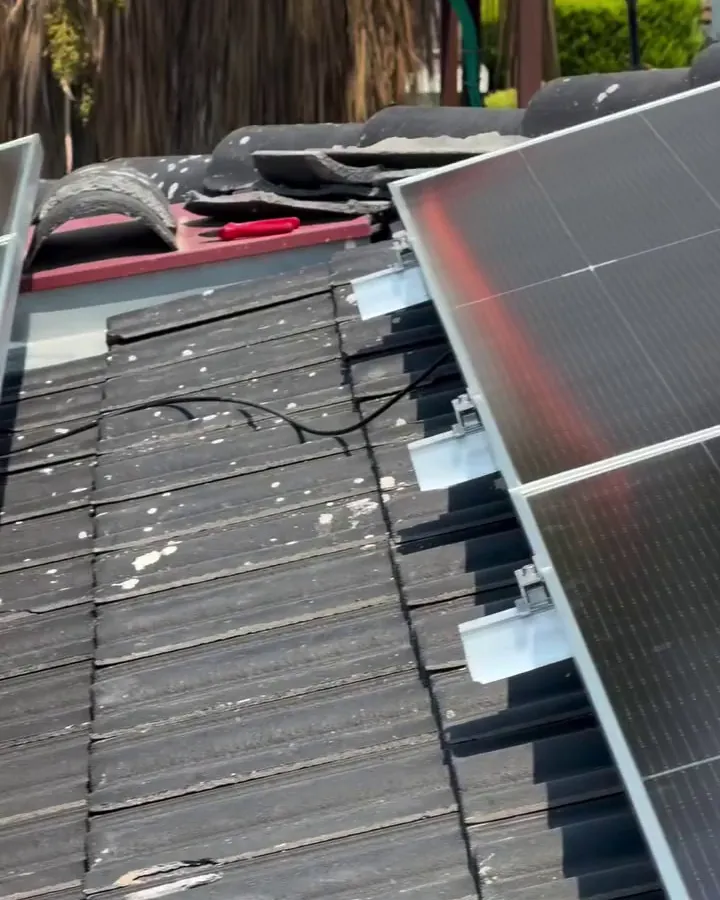
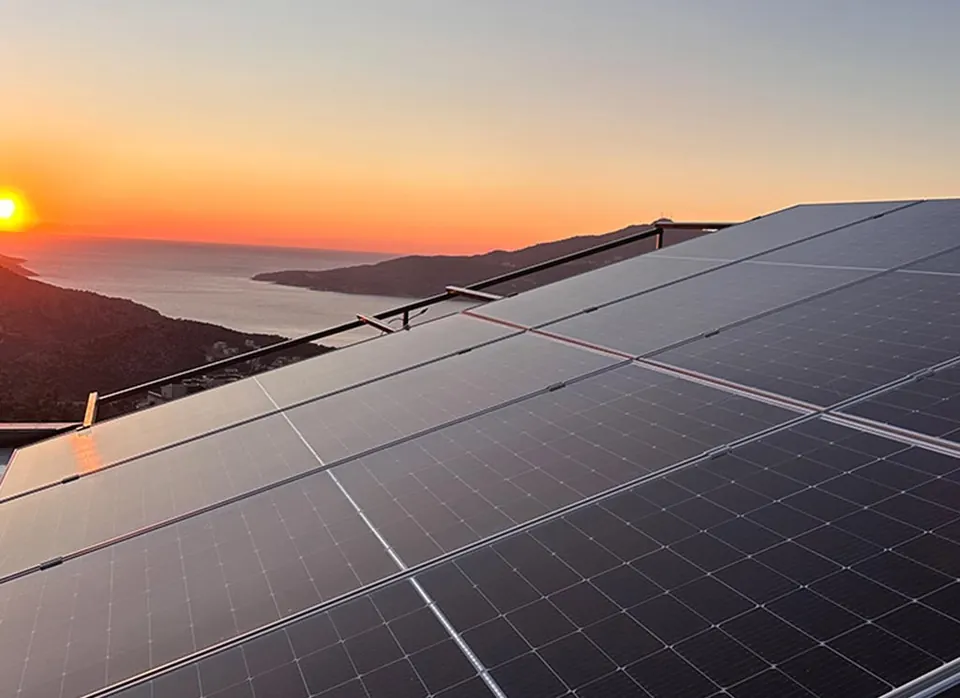
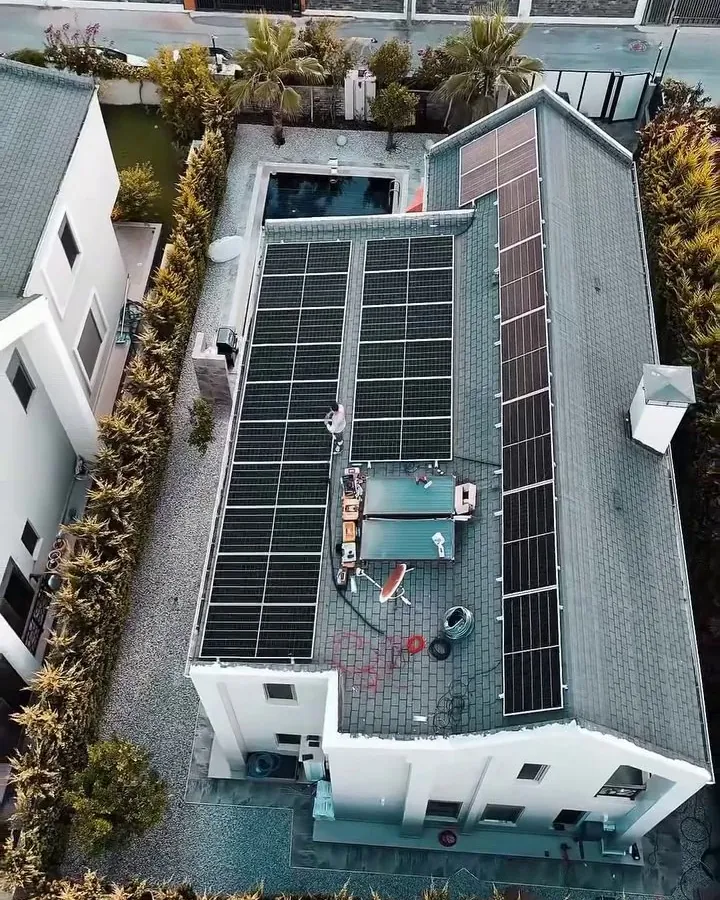
According to its Instagram post, Solar Nexo (a solar company in Antalya, based in Kepez) installed a hybrid system at a pool villa in Belek in July 2026: 24 TommaTech 605 W panels (14.52 kWp), a 20 kW hybrid inverter and a 15 kWh LiFePO4 battery. The 20 kW class can carry pool and air conditioning peaks.
The project video was published on the Solar Nexo Instagram account (@solarnexotr).
Project summary
According to the July 2026 Instagram post, Solar Nexo installed a 24-panel hybrid system for a pool villa in Belek. Panel power is 14.52 kWp, the inverter is 20 kW and the battery is 15 kWh. What sets this project apart is the generously sized inverter: the 20 kW inverter offers about 1.38 times the output capacity of the 14.52 kWp array.
System components
- Panels: 24 × 605 W TommaTech (14.52 kWp)
- Inverter: 20 kW hybrid inverter
- Storage: 15 kWh LiFePO4 battery
Why was this system designed this way?
The load profile of a pool villa differs from an ordinary home. The pool circulation pump runs for hours, air conditioners draw a sudden current at compressor start in summer, and these loads can arrive at the same time. Because the starting current of motor loads can reach several times the rated current, the inverter's momentary overload capacity matters as much as its continuous power. That is the logic of choosing an inverter larger than the panel power. The villa's actual pool equipment is not stated in the post, so this section is a general engineering rationale.
The panel-to-inverter ratio is 14.52 / 20 = 0.73. The array can therefore never load the inverter fully; all panel production passes through the inverter and no clipping loss occurs. The grid or the battery lets the inverter cover peak demand that the panels cannot produce.
A 15 kWh battery is about 1.03 kWh per kWp. In July the theoretical average daily production is 79 kWh, so the battery equals about 19% of that production. Loads that run in the daytime, such as the pump, are fed directly from the panels, while the battery covers part of the evening hours. When a continuously running pool pump and air conditioning raise evening consumption, 15 kWh may not last the whole night; in that case the grid steps in.
Another design point for a pool villa is the seasonal usage pattern. In tourism areas like Belek, homes may stand empty for part of the year; during that time pool circulation and base loads keep running, panel production fills the battery and the surplus goes to the grid. When the home is occupied, daytime production and the air conditioning load coincide, so self-consumption rises. A single inverter manages both usage situations; however, the customer's actual usage pattern is not stated in the post.
Under current regulations (October 2026), the treatment of surplus production differs between residential and non-residential subscriptions: for residential subscriptions net metering is monthly, while for other subscriptions it has been hourly since 1 May 2026. The subscription type is clarified at the project stage.
Estimated production
Taking the PVGIS value for central Antalya of 1,656 kWh/kWp/year as an approximate reference for Belek, 14.52 kWp corresponds to about 24,050 kWh of theoretical production per year. Theoretical monthly production is about 2,309 kWh for June and about 1,437 kWh for December. These figures are a PVGIS-based theoretical calculation; actual production varies with roof orientation, tilt, shading and panel soiling.
Installation and commissioning process
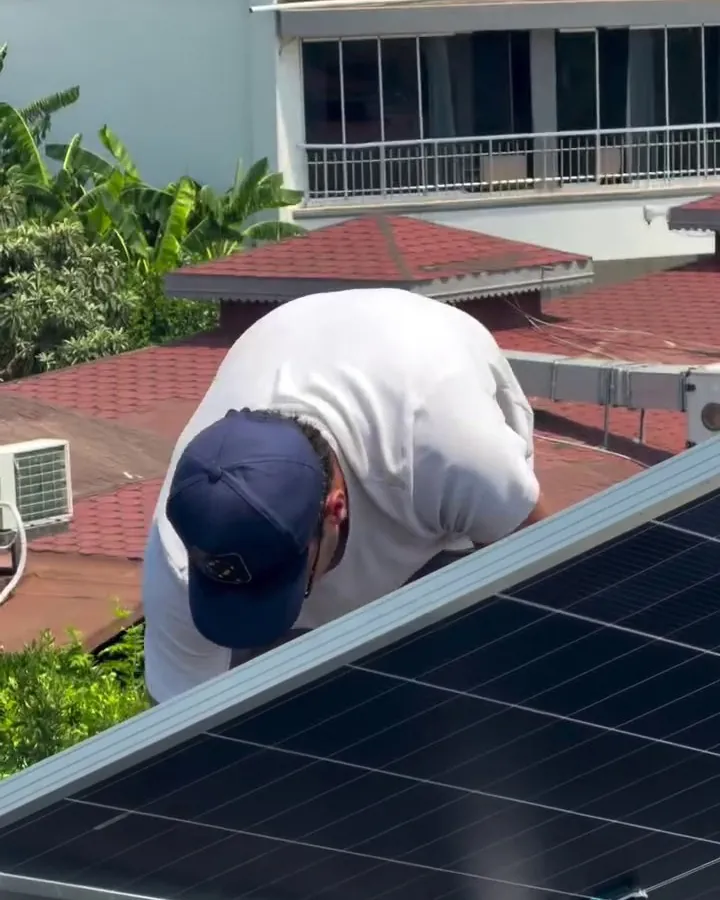
The process starts with a free site survey. The villa's roof orientation and shading are examined, and the hourly profile of loads such as the pool and air conditioning is discussed. Project design follows; if there is a grid connection, an application to the distribution company is required. After installation and commissioning, maintenance and 7/24 technical support continue. The post gives no project-specific timeline.
On site, separate protection devices are planned for the panel boards and pump lines near the pool area. In humid environments, cable entries and connection points are chosen with sealed insulation. During commissioning, the inverter's behavior under load is checked, especially at pump start-up.
For a similar system
A similar setup can be considered for villas in the Belek and Serik area with a pool and multiple air conditioning loads. Our hybrid system service, our Belek and Serik article and our pool pump article cover the topic. For our other work, see the references; for a preliminary estimate, the calculation tool; and for a survey, the contact page. If you are searching for a solar company in Antalya for a pool villa, this is the kind of project we take on.
Questions about this project
Can a pool pump run on solar power?
Yes, if the pump runs in the daytime it can be fed directly from panel production. In a hybrid system the pump runs through the same inverter as the rest of the home's loads. The pump's starting current must stay within the inverter's momentary overload limit, so the pump power and motor type are collected at the project stage. If the pump type and power are assumed wrongly, the system may be strained unnecessarily.
How much does a 14.52 kWp system produce per year in Belek?
With the PVGIS reference for central Antalya of 1,656 kWh/kWp/year, about 24,050 kWh of theoretical production is calculated. A separate PVGIS value was not used for Belek; this is an approximate reference. Actual production varies with roof orientation, tilt and shading, so the figure is not a promise. This estimate is based only on panel power and does not look at the consumption profile.
Is a 15 kWh battery enough for a pool villa overnight?
Generally it does not cover the whole night. Air conditioning compressors and pool circulation raise evening consumption; for example, with an average night load of 3 kW, 15 kWh of nominal capacity is in theory about 5 hours. In practice usable capacity is lower, and the remaining time is covered from the grid. This calculation is only an example load assumption; the villa's real profile is worked out during the survey.
Related guides
Estimated yields are theoretical values based on PVGIS 5.3 data (EU Joint Research Centre); actual output depends on roof orientation, tilt, shading and temperature.
Considering a similar system?
The Solar Nexo team visits your property, reviews your consumption and roof, and designs the right system for you free of charge.