
Short answer
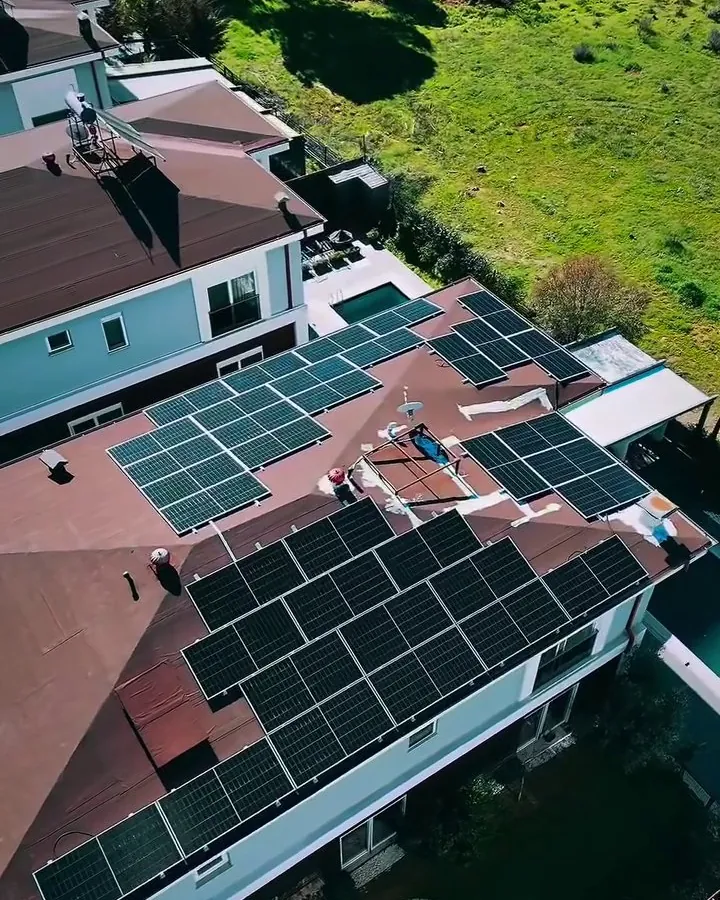
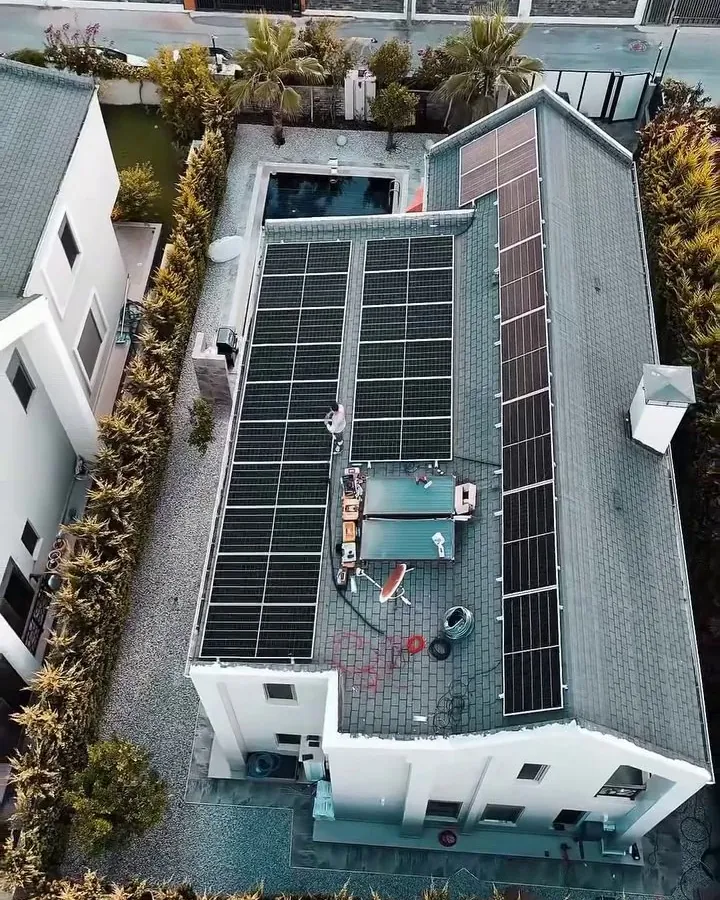
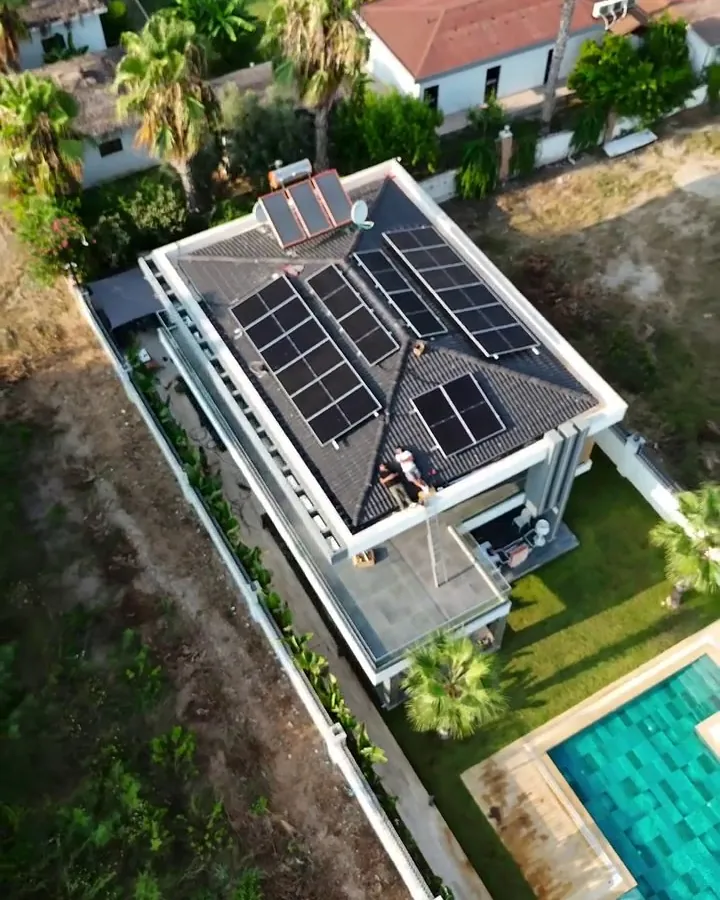
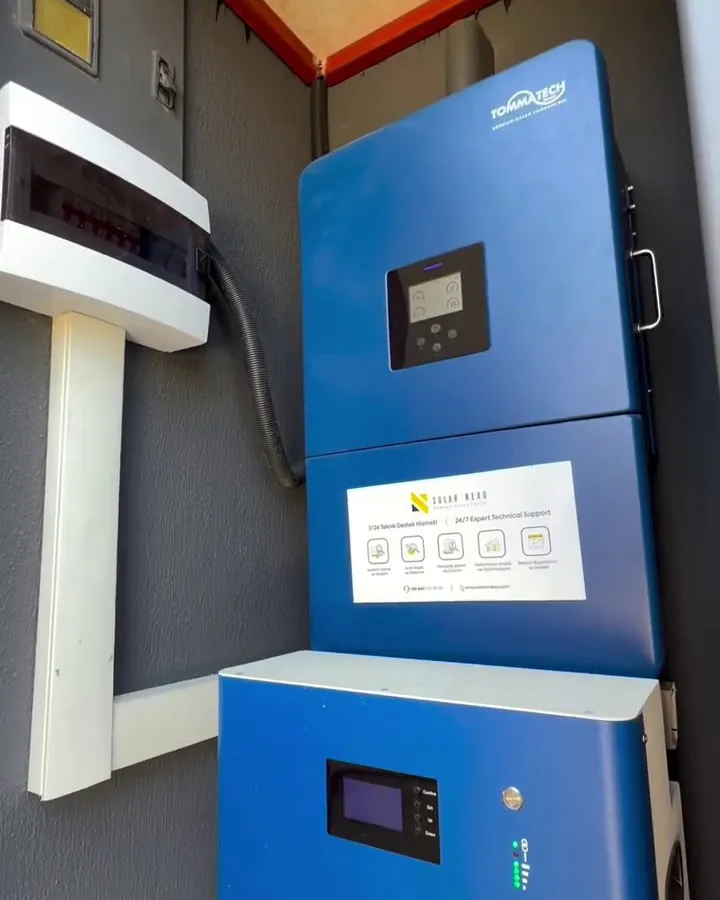
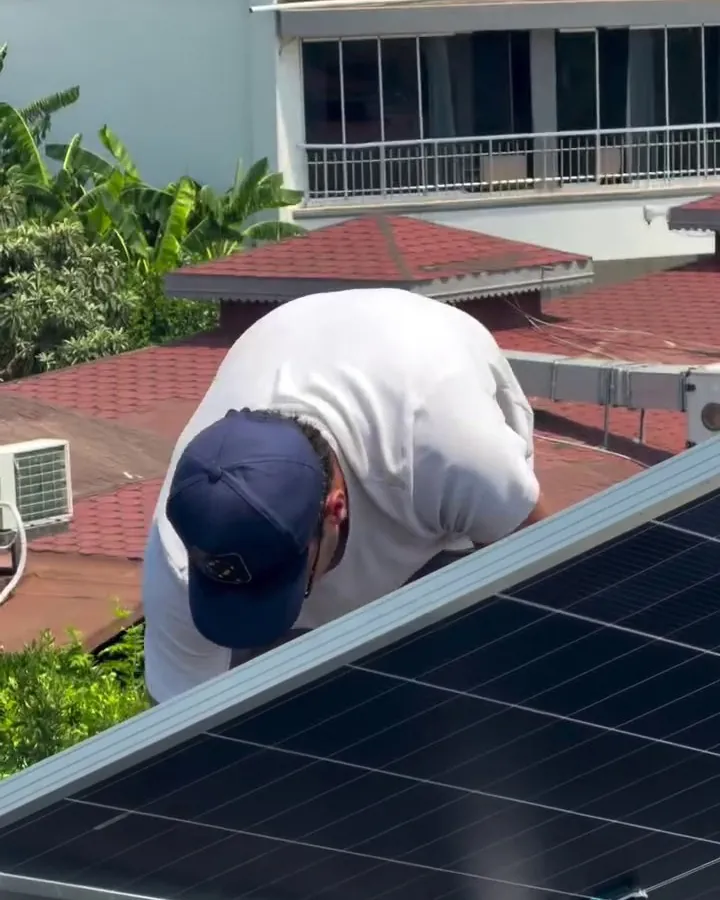
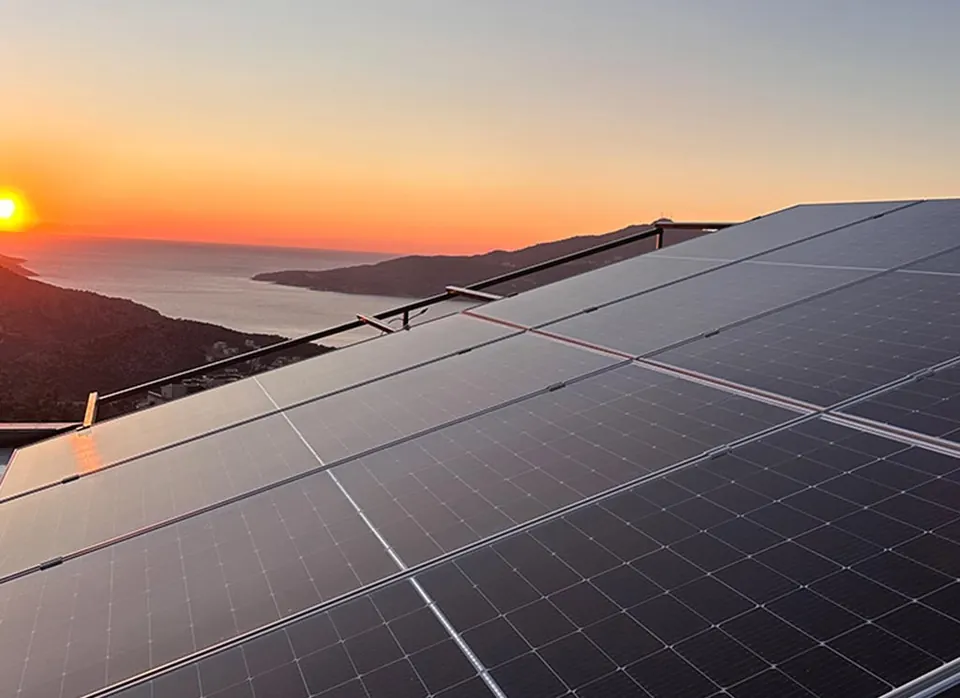
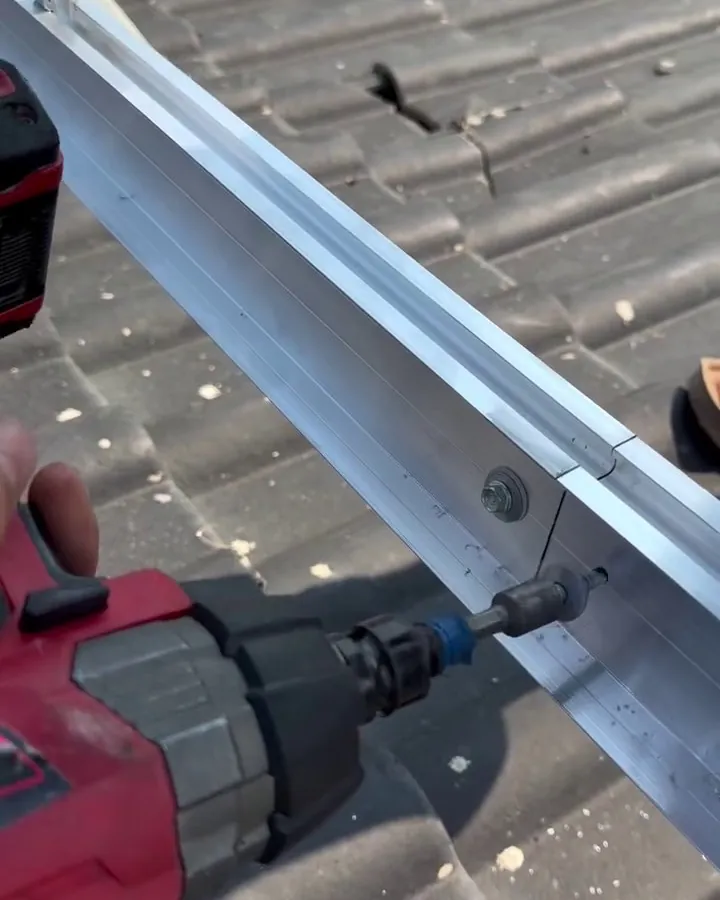
According to its Instagram post, Solar Nexo (a solar company in Antalya, based in Kepez) installed a hybrid system at a villa in Döşemealtı in May 2026: 24 TommaTech 600 W panels (14.4 kWp), a 15 kW hybrid inverter and 30 kWh of LiFePO4 storage. The post's visual highlights the rail mounting beneath the panels.
The project video was published on the Solar Nexo Instagram account (@solarnexotr).
Project summary
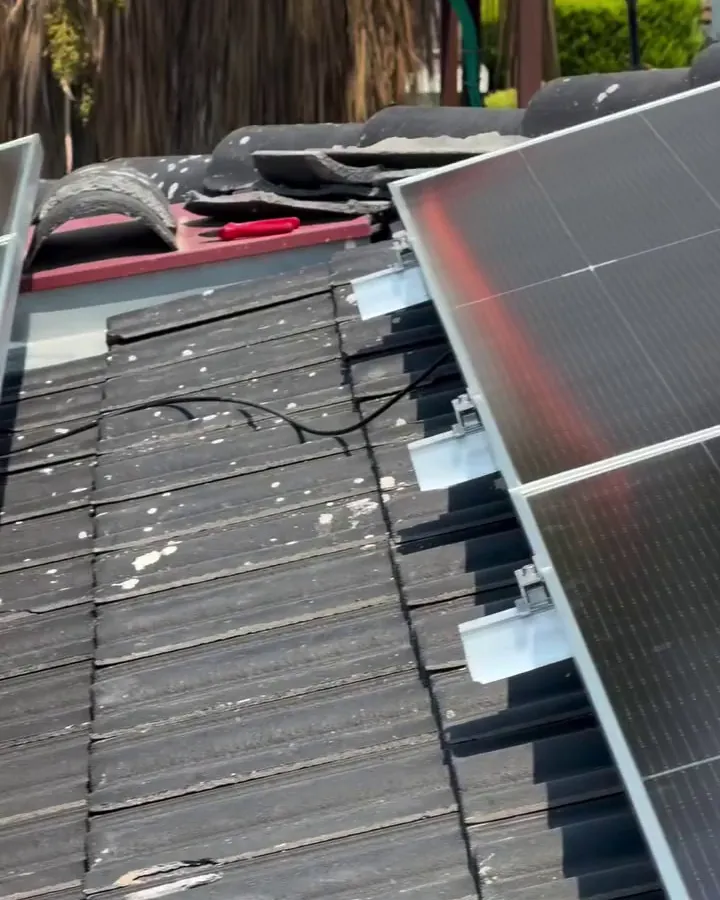
According to the Instagram post dated May 2026, Solar Nexo installed a 24-panel, 14.4 kWp hybrid system at a villa in Döşemealtı. The system is completed with a 15 kW hybrid inverter and 30 kWh of LiFePO4 storage. The post's visual shows the aluminum rail run beneath the panels, so this page focuses on the engineering of the mounting support system.
System components
| Component | Value |
|---|---|
| Panels | 24 × 600 W TommaTech (14.4 kWp) |
| Inverter | 15 kW hybrid |
| Storage | 30 kWh LiFePO4 |
| Mounting | Rail-based support system (as seen in the post's visual) |
Why was this system designed this way?
The rail is the support line that connects the panel to the roof covering. A correctly installed rail system transfers the wind load on the panel to the roof structure. In TommaTech's datasheet for its 605 W series, the panel wind load is given as 2400 Pa and the snow load as 5400 Pa; these values cover only the panel, and the anchoring and rail structure are calculated separately. According to Turkish State Meteorological Service (MGM) records, the fastest wind measured in Antalya was 43.2 m/s (22.01.1998); the number of rails and feet is planned for gusts of this kind. Because this roof's covering type is not stated in the post, it is not known which foot system was used.
The datasheet also requires the panel to be mounted on a fire-resistant surface with sufficient ventilation left behind it; installation contrary to the manual voids the warranty. The rail also provides this ventilation gap behind the panel; since power falls as cell temperature rises in the hot Antalya summer, ventilation is reflected directly in efficiency.
On the electrical side, the panel-to-inverter ratio is 14.4 / 15 = 0.96. The battery, however, is large: 30 kWh is about 2.1 kWh per kWp. In theory the average daily production is 78 kWh in July and 46 kWh in December; in December the battery equals about 65% of daily production, so it offers a wide store for carrying the summer production surplus into the night and morning.
Another job of the rail system is to absorb thermal expansion. Aluminum rails change dimension with the temperature difference between summer and winter; for this reason movement allowance is left at rail joints and feet. The fixing points are chosen so as not to compromise the waterproofing of the roof covering. Because the foot type differs on tile, sheet-metal or concrete roofs, a rail system is not selected without knowing the roof type; the roof type in this project is not stated in the post.
Estimated production
With the PVGIS reference of 1,656 kWh/kWp/year for central Antalya (an approximate reference for Döşemealtı), 14.4 kWp gives about 23,850 kWh of theoretical production per year. About 2,290 kWh is expected for June and about 1,426 kWh for January. These figures are a PVGIS-based theoretical calculation; actual production varies with roof orientation, tilt, shading and panel soiling.
Installation and commissioning process
In the free survey, Solar Nexo examines the roof covering, the supporting structure and the tilt. The roof's load-bearing capacity must be assessed by a civil engineer; the distribution company and the municipality may request a structural compliance document. The installation sequence is fixing the rails and feet, placing the panels, DC cabling, inverter and battery connection, and commissioning tests. Maintenance and 7/24 technical support follow. The post gives no project-specific timeline.
For a similar system
This section is an example for villa projects where the roof covering and supporting structure are decisive. Our mounting systems article, the hybrid system service and our Döşemealtı article are useful. You can use the references, the calculation tool and the contact pages. For solar installation in Antalya on tile, sheet-metal or concrete roofs, the mounting system is chosen after the survey.
Questions about this project
What is the rail for in solar panel mounting?
The rail is the aluminum support line that connects the panel to the roof covering. It transfers wind load to the roof structure through the feet and leaves a ventilation gap behind the panel. The number of rails and feet is calculated from the roof type, wind load and panel size; wrong installation affects both safety and the warranty.
How many kWh does a 14.4 kWp system produce per year in Döşemealtı?
With the PVGIS reference for central Antalya of 1,656 kWh/kWp/year, theoretical production is about 23,850 kWh. A separate PVGIS value was not used for Döşemealtı; this is an approximate reference. Actual production varies with roof orientation, tilt, shading and soiling. The number of rails and feet is clarified in the survey according to the roof type.
Is a 30 kWh battery too much for 14.4 kWp of panels?
The battery works out to about 2.1 kWh per kWp; this is a high ratio compared with other villa installations in the same area. It is advantageous for carrying surplus production into the night and morning; however, because daily winter production is only a limited multiple of the battery capacity, the battery should not be expected to fill completely every day.
Related guides
Estimated yields are theoretical values based on PVGIS 5.3 data (EU Joint Research Centre); actual output depends on roof orientation, tilt, shading and temperature.
Considering a similar system?
The Solar Nexo team visits your property, reviews your consumption and roof, and designs the right system for you free of charge.