
Short answer
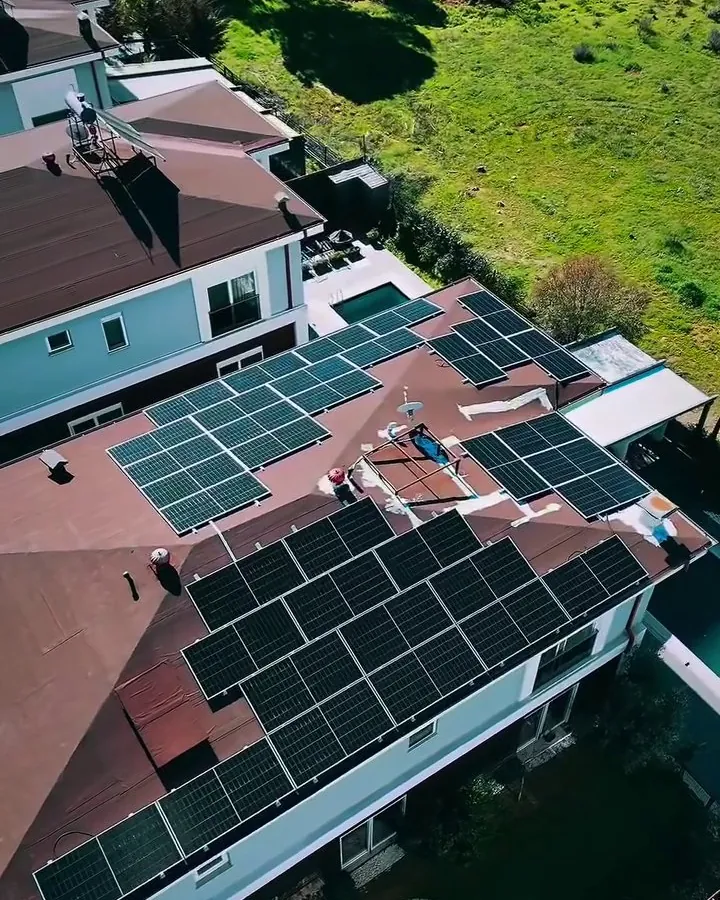
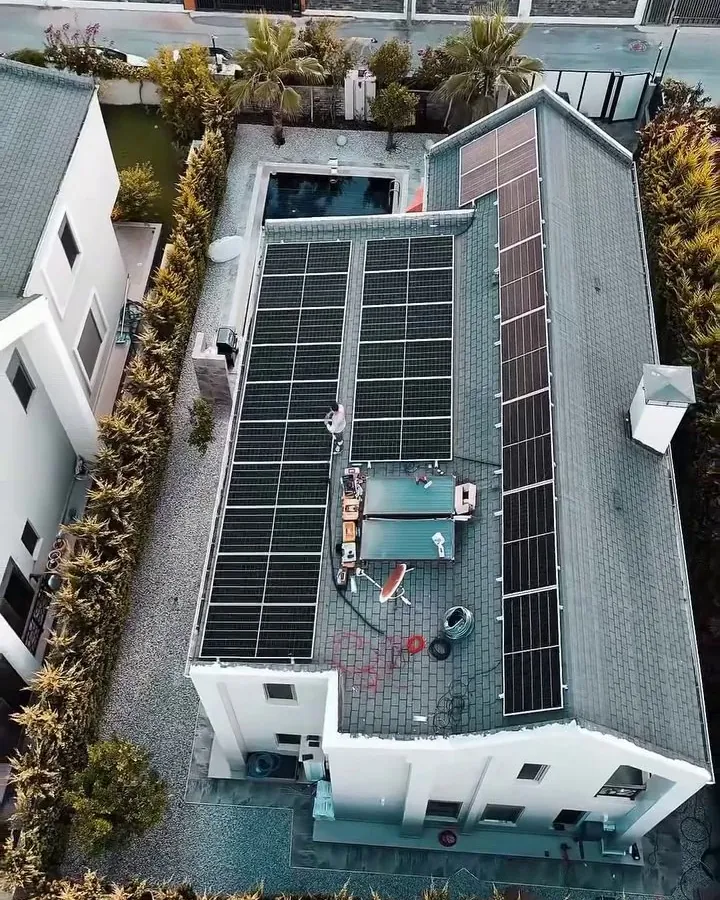
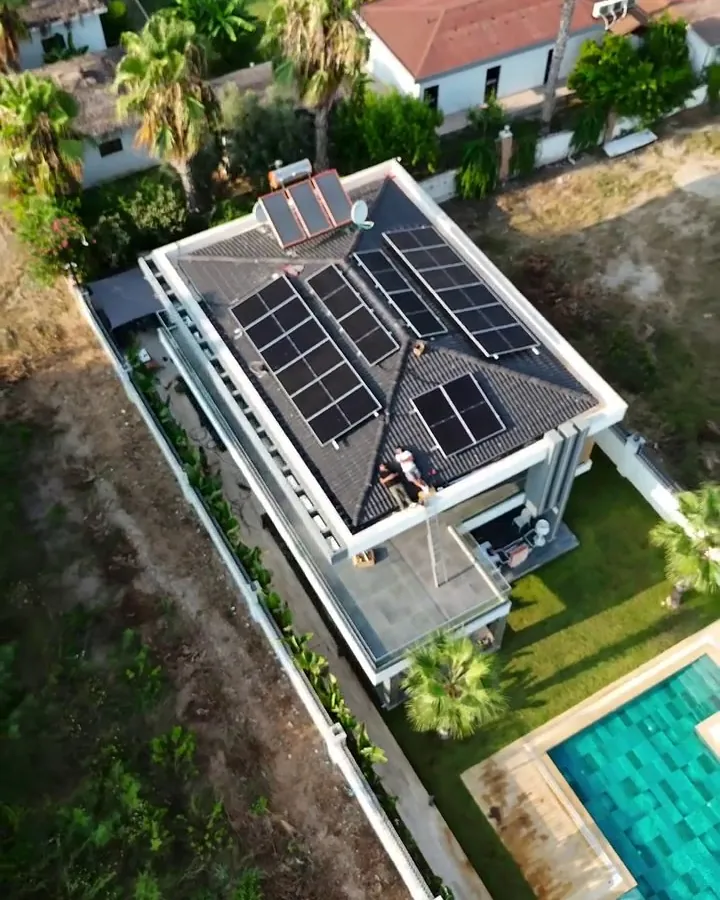
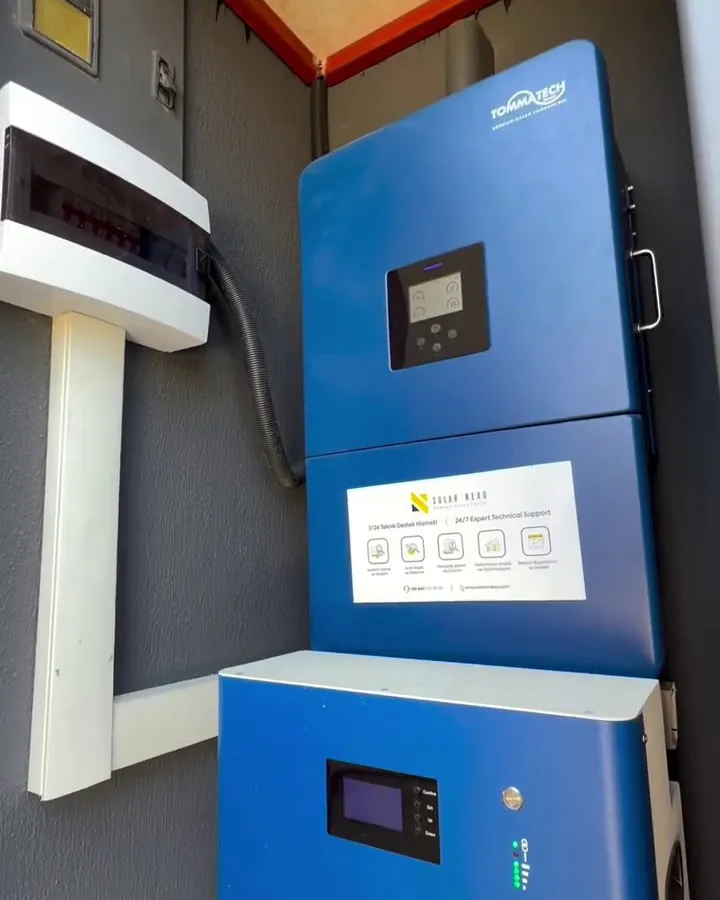
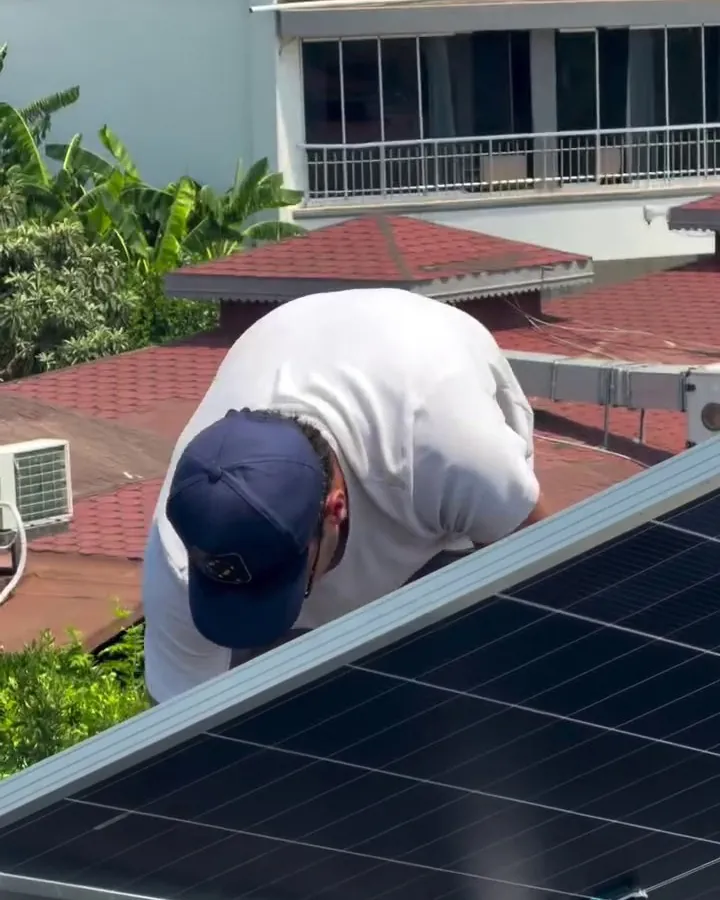
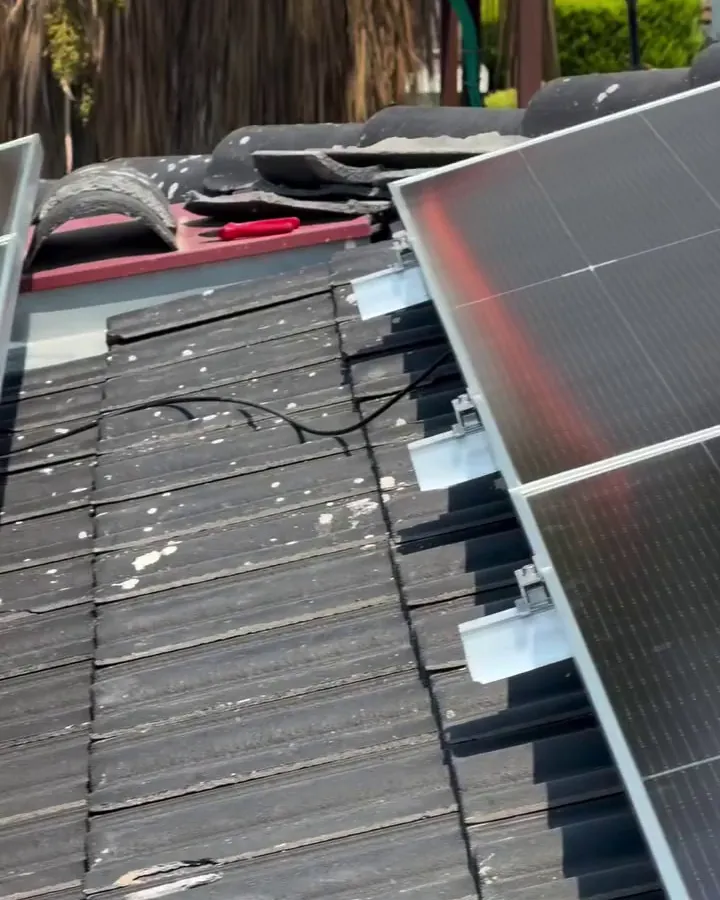
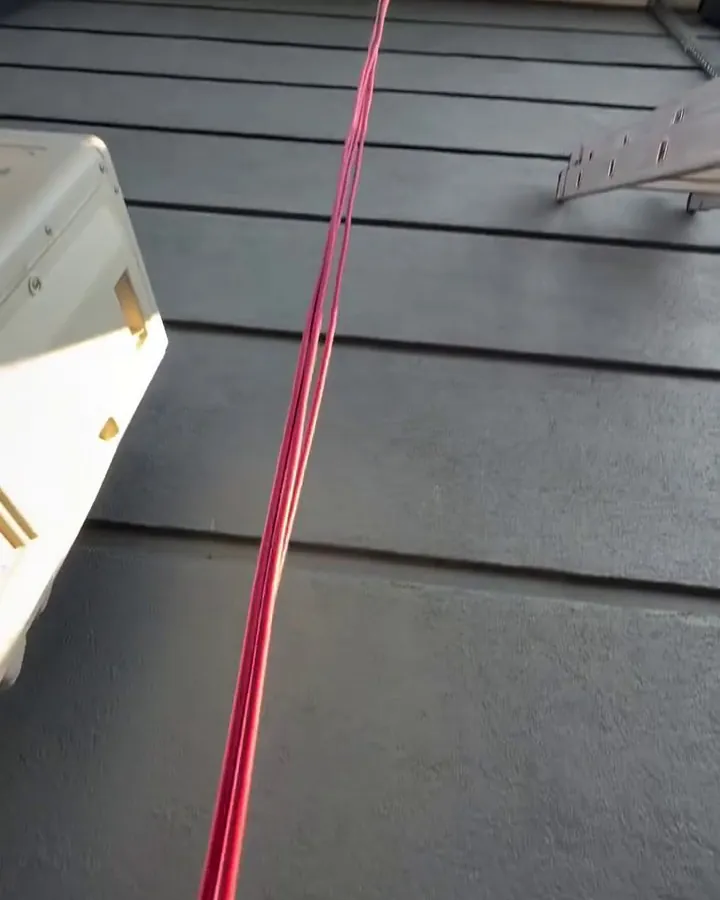
According to its Instagram post, Solar Nexo (a solar company in Antalya, based in Kepez) installed a hybrid system at a villa in Döşemealtı in June 2026: 20 TommaTech 620 W panels (12.4 kWp), a 15 kW hybrid inverter and 30 kWh of LiFePO4 storage. Two videos were shared for the same project; the visual shows the solar cabling.
The project video was published on the Solar Nexo Instagram account (@solarnexotr).
Project summary
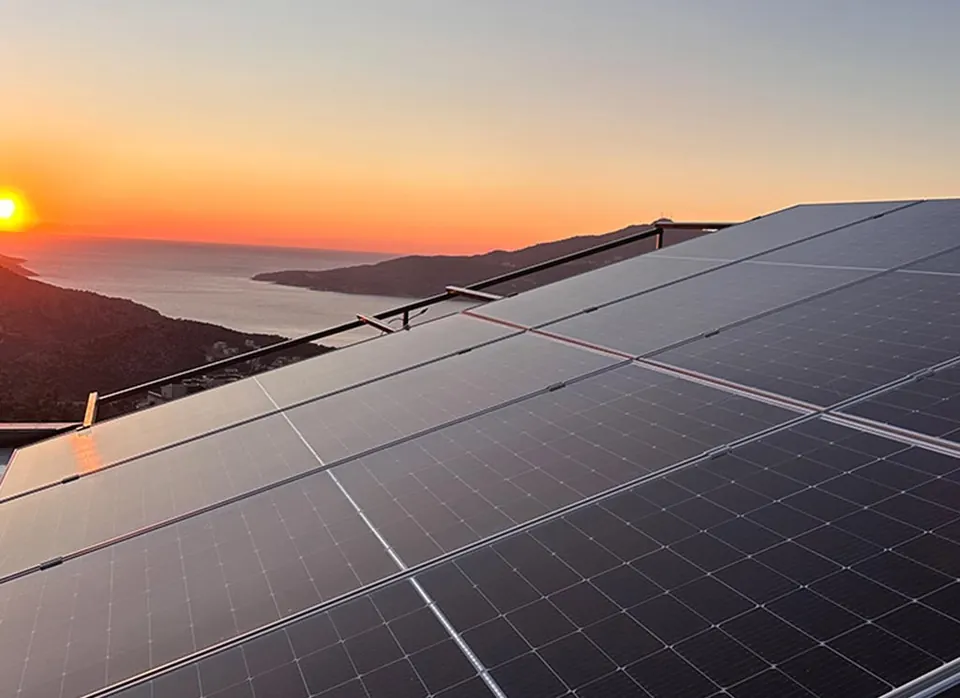
According to the Instagram post dated June 2026, Solar Nexo installed a 12.4 kWp hybrid system made up of 20 TommaTech 620 W panels for a villa in Döşemealtı. The system's inverter is 15 kW and its battery is 30 kWh LiFePO4. Two separate videos were shared for the same project; this page's visual highlights the solar cabling stage, so the focus of the article is cable engineering.
System components
- Panels: 20 × 620 W TommaTech, 12.4 kWp in total
- Inverter: 15 kW hybrid inverter
- Storage: 30 kWh LiFePO4
- Cabling: DC solar cables carrying the panel strings to the inverter (as seen in the post's visual)
Why was this system designed this way?
In a solar system the cable is a quiet but critical component. Panels are connected in series in strings and reach the inverter through DC cables. Cable cross-section is chosen for the current, and cable length determines the voltage drop; the longer the cable and the smaller the cross-section, the greater the loss. In a mid-sized system like 12.4 kWp, the distance between the inverter and the panel array can reach several tens of meters; the cable route is therefore planned along the shortest safe path from the roof to the technical room.
DC cable has to withstand sun, temperature and UV outdoors; for this reason special solar cable and suitable connectors are used. A loose connector heats up, leading to power loss and, in the worst case, a fire risk. For this reason, at commissioning the tightness of connections and the insulation resistance are checked. Which brand of cable was used is not stated in the post.
The battery-to-panel ratio is 30 / 12.4 = 2.4 kWh/kWp; this is a high ratio. In theory the average daily production is 67 kWh in July and 40 kWh in December. In December daily production is close to the battery's nominal capacity; in other words, in winter the battery's state of charge depends on the balance of production and consumption. Because DC current is high on the battery side, battery cables with a much thicker cross-section than panel cables are used and suitable protection devices are added.
On the AC side, the cable running from the inverter to the main panel and its protection devices are also part of the design. A hybrid inverter's grid, backup load and battery connections are separate lines; each line needs a suitable cross-section, fuse and earthing. Cable labeling and an orderly cable route make future maintenance and fault-finding easier. How the AC side is arranged in this project is not shown in detail in the post; the description above is general engineering practice.
The visual quality of the cabling is not neglected either. Cables neatly gathered beneath the rails and fixed with UV-resistant cable ties provide both aesthetics and safety; a hanging cable can rub in the wind and wear through its insulation. Additional footage of the same project was shared in the second video (DZE_PeQik3P).
Estimated production
Taking the PVGIS reference of 1,656 kWh/kWp/year for central Antalya (an approximate reference for Döşemealtı), 12.4 kWp gives about 20,530 kWh of theoretical production per year. These figures are a PVGIS-based theoretical calculation; actual production varies with roof orientation, tilt, shading and panel soiling.
Installation and commissioning process
Solar Nexo starts with a free site survey and determines the cable route between the roof and the technical room. During installation, once the rails and panels are in place, the DC cables are arranged and fixed with cable ties and protective conduits. At commissioning, string voltages are measured and the inverter and battery connections are tested. Maintenance and 7/24 technical support follow. The post gives no project-specific timeline.
For a similar system
For villas with a long cable route or a large distance from the roof to the technical room, cable design carries extra importance. Our solar cable article, the hybrid system service and our Döşemealtı article give details. The references, the calculation tool and the contact pages can also be used. Our solar installation in Antalya starts with a survey of the cable route.
Questions about this project
Why does cable selection matter in a solar energy system?
Cable cross-section is chosen for the current and cable length determines the voltage drop; insufficient cross-section or a long run creates loss and heating. Solar cable that withstands UV and temperature is needed outdoors. Because a loose connector can heat up and cause power loss and fire risk, connections are checked at commissioning.
How many kWh does a 12.4 kWp system produce per year in Döşemealtı?
With the PVGIS reference for central Antalya of 1,656 kWh/kWp/year, theoretical production is about 20,530 kWh. A separate PVGIS value was not used for Döşemealtı; this is an approximate reference. Actual production varies with roof orientation, tilt, shading and soiling. The exact cross-section is calculated at the project stage. Exact values are settled in the project calculation after the survey.
Why was a 15 kW inverter paired with 12.4 kWp of panels?
In a hybrid system, inverter power is chosen more for peak load demand than for panel power; the inverter also feeds loads from the battery and the grid. In this project the panel-to-inverter ratio is 12.4 / 15 = 0.83; in other words, panel production does not saturate the inverter and no clipping loss occurs. This estimate is not a firm production promise.
Related guides
Estimated yields are theoretical values based on PVGIS 5.3 data (EU Joint Research Centre); actual output depends on roof orientation, tilt, shading and temperature.
Considering a similar system?
The Solar Nexo team visits your property, reviews your consumption and roof, and designs the right system for you free of charge.