Short answer
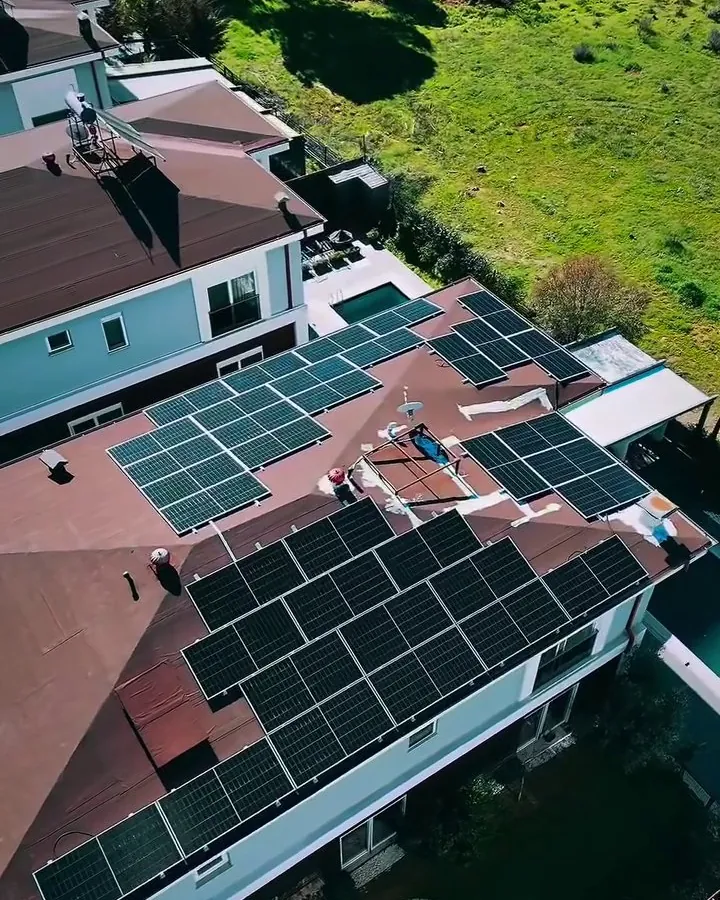
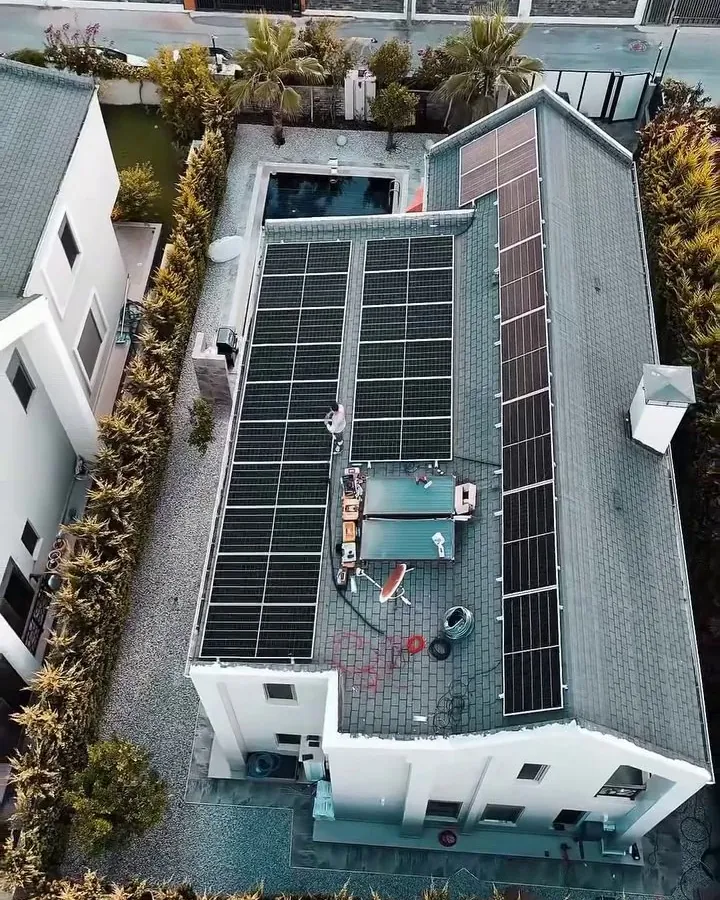
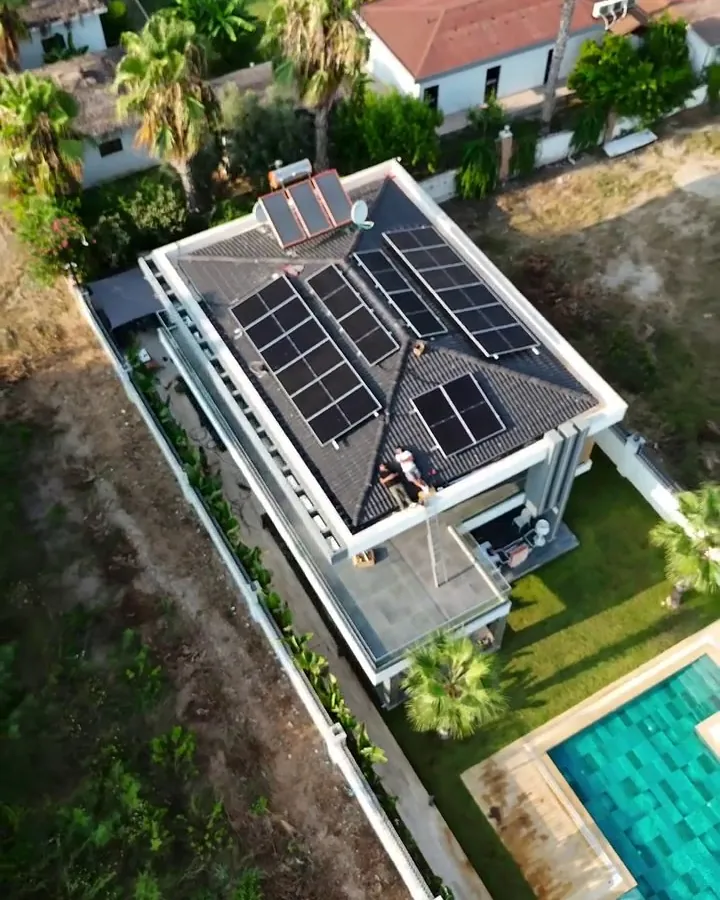
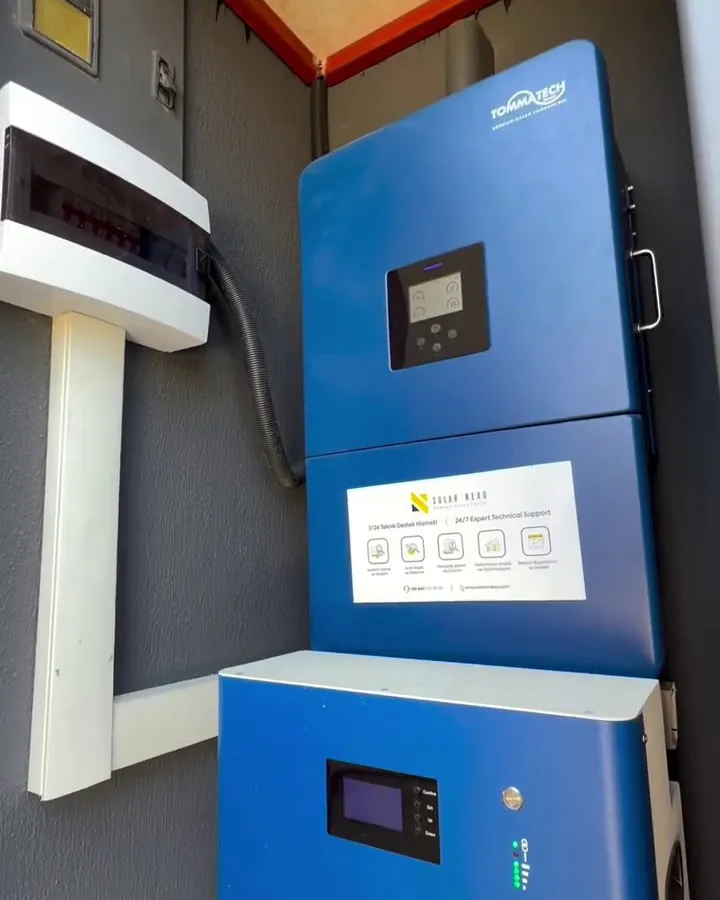
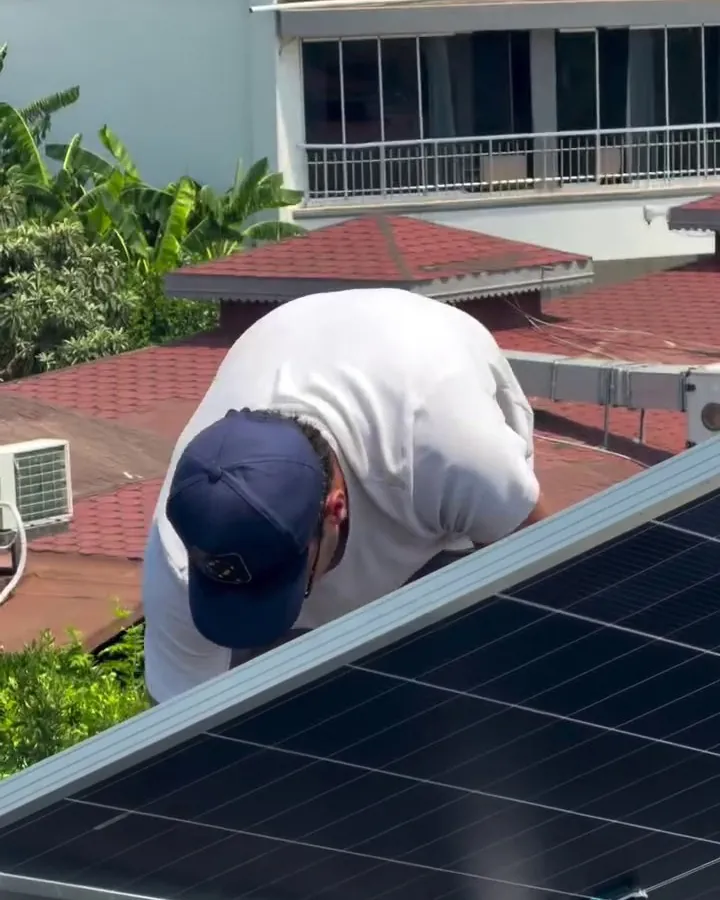
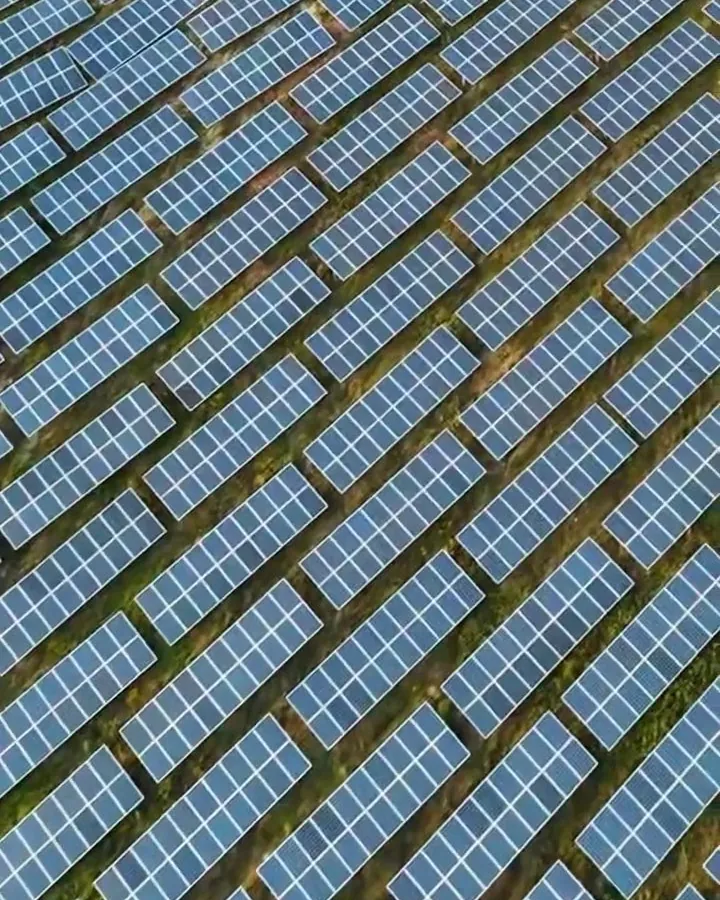
According to its Instagram post, Solar Nexo (a solar company in Antalya, based in Kepez) carried out a technical inspection at an existing solar power plant in Gazipaşa in August 2026, replaced 5 faulty inverters and recommissioned the system safely and efficiently. This is a service job; the plant is not a Solar Nexo installation.
The project video was published on the Solar Nexo Instagram account (@solarnexotr).
Project summary
This page describes a service job, not an installation. According to the Instagram post dated August 2026, Solar Nexo first carried out a technical inspection at an existing solar power plant in Gazipaşa, then replaced 5 faulty inverters and recommissioned the system safely and efficiently. Who built the plant, its capacity and the inverter brand are not stated in the post.
System components and work done
| Item | Information |
|---|---|
| Job type | Service, inverter replacement at an existing plant |
| Equipment replaced | 5 faulty inverters |
| Preceding step | Technical inspection |
| Final step | Recommissioning the system safely and efficiently |
| Plant capacity, panel and inverter brand | Not stated in the post |
Why is this service carried out this way?
In a solar plant, the inverter is the component that converts DC energy into AC energy suitable for the grid; when it fails, the panel strings connected to it cannot produce. In a multi-inverter plant a fault can stay at a single point or spread across several inverters. In this project 5 inverters had to be replaced; whether the faults had a common cause is not stated in the post. In general engineering practice, multiple inverter failures in the same plant call for a root-cause investigation before replacement. Otherwise a new inverter can fail again for the same reason.
A root-cause investigation typically checks the following: DC string voltages and currents, insulation resistance, earthing, surge protection (surge arresters), cooling and fan condition, ventilation and ambient temperature, connector heating, AC-side cabling and grid voltage. This is a general checklist; which of them was the source of the fault at this plant is not known.
Sequence matters in service work. First a technical inspection is made and the fault is identified. Then, with the power cut, the inverter is safely removed, the new one is fitted and the parameters are set. At commissioning, DC and AC values are measured and the connection to the monitoring system is checked. From a safety standpoint, the fact that the DC side stays live in daylight shows that this work must be done only by a competent field team.
Another aspect of service work is documentation. In an inverter replacement, the old device's serial number, its fault code and the details of the new device are recorded; the device definition in the monitoring system is updated. These records are used both in warranty processes and in the next maintenance plan. Because the records for this plant are not in the post, their contents are not known.
Effect of downtime on production
Every day of outage means lost production. According to PVGIS, from the central Antalya reference of 1,656 kWh/kWp/year, the annual average daily production is about 4.5 kWh/kWp; in July this value is about 5.4 kWh/kWp (168 / 31). As an example calculation, 100 kWp of faulty capacity corresponds to a theoretical production loss of about 540 kWh per day on summer days. Because this plant's capacity is not known, this is only to show scale; it is a theoretical calculation, and the real loss varies with the weather and the condition of the plant.
Service and commissioning process
Solar Nexo's maintenance and repair service starts with a technical inspection, equipment replacement is planned according to the fault diagnosis, and finally the system is recommissioned. 7/24 technical support and maintenance continue afterwards. Inverter warranty varies by brand and contract; for example, the standard warranty on TommaTech on-grid and hybrid inverters is 5 years from the invoice date (manufacturer document), but the inverter brand at this plant is not known.
For a similar service
Our solar plant maintenance and repair service applies to plant owners whose output has dropped, whose inverter shows errors or whose plant has had no maintenance for years. Our inverter fault article, our maintenance guide and our Gazipaşa article give details. The references, the calculation tool and the contact pages can also be used.
Questions about this project
Is this project a Solar Nexo installation?
No, this is a service job. According to the Instagram post, Solar Nexo carried out a technical inspection at an existing solar power plant in Gazipaşa, replaced 5 faulty inverters and recommissioned the system. Which company built the plant is not stated in the post; for this reason the page is not presented as an installation.
Why does an inverter fault reduce production in a solar plant?
The inverter converts the DC energy produced by the panel strings into AC. When an inverter fails, the strings connected to it cannot produce; a theoretical production loss builds up for the duration of the outage. If the plant has multiple inverters, only the section connected to the faulty inverter goes offline and the rest can keep running. When applying, share the plant's location, capacity and fault symptoms.
Why is a technical inspection done before replacing an inverter?
The technical inspection shows whether the fault is only in the inverter or also in the DC string, earthing, surge protection or cooling. If a new inverter is fitted without finding the root cause, it can fail again for the same reason. In this project 5 inverters were replaced after the inspection; the causes of the faults are not stated in the post.
How do I apply for service at an existing plant?
For Solar Nexo's solar plant maintenance and repair service, you can apply through the contact page, at info@solarnexo.com or on +90 540 007 63 96. Technical inspection, fault diagnosis and equipment replacement are planned in that order; 7/24 technical support is part of the service. The exact result is known after the technical inspection.
Related guides
Estimated yields are theoretical values based on PVGIS 5.3 data (EU Joint Research Centre); actual output depends on roof orientation, tilt, shading and temperature.
Considering a similar system?
The Solar Nexo team visits your property, reviews your consumption and roof, and designs the right system for you free of charge.