
Short answer
Checking the roof load for solar panels in Antalya covers the weight of the panels and mounting structure plus wind loads on the coast and snow loads inland. Tile roofs use hooks, trapezoidal and sandwich panel roofs use clamps, and concrete terraces use ballast or anchors. Every penetration must be detailed to stay watertight, and a roof nearing renovation should be refurbished before the panels go on.
Key takeaways
- The load on a roof is not just the panel weight; the mounting structure, wind and snow loads must be assessed together.
- On the coast and on exposed, tall buildings, wind uplift is decisive; roof edges and corners are under the most stress.
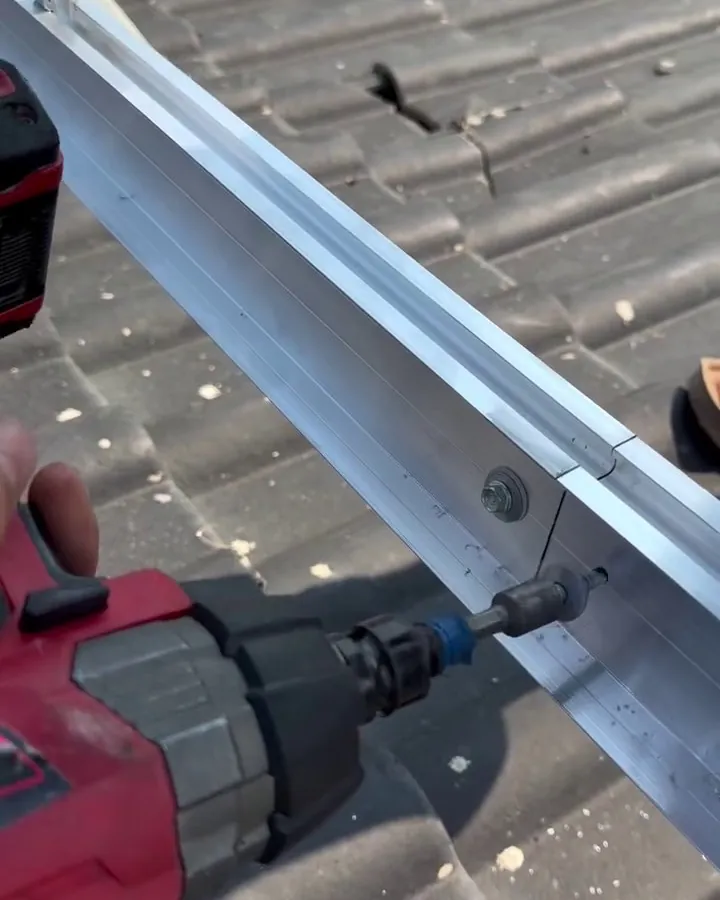
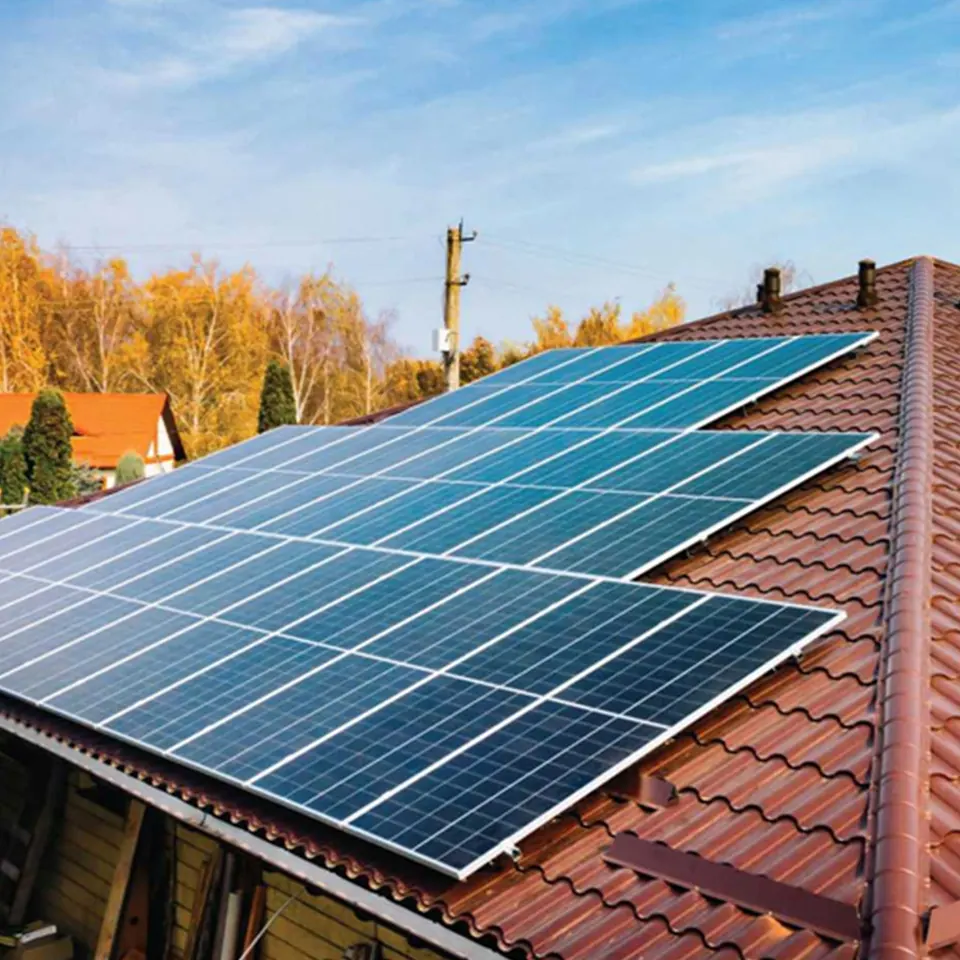
- On tile roofs the hook must bear on the rafter, never on the tile; on trapezoidal and sandwich panel roofs, profile-specific clamps and sealed fixings are used.
- On concrete terraces a ballasted system works without piercing the membrane, but the slab's capacity to carry the extra weight must be checked.
- A roof with ageing waterproofing should be renewed before the panels are installed; otherwise the panels may later have to be removed and refitted.
A solar energy system is a structure that will stay on your roof for many years. How much electricity the panels produce matters, but so does how the roof will carry the load and whether every drilled point stays watertight. Assessing the roof load for solar panels in Antalya is the part of a site survey that is most often overlooked, yet it has the most lasting consequences. This article is not about the mounting steps; it is about the roof itself, before anything is mounted.
Antalya's geography makes the subject especially interesting: within the same province you have a coastal strip where wind is the deciding factor and highland plateaus where snow load has to be included. Projects for solar energy in Antalya therefore call for decisions based on the area and the roof type rather than a one-size-fits-all roof solution.
Loads on the Roof: Panels, Mounting Structure, Wind and Snow
From a structural point of view, the load on a roof has four components. The first is the weight of the panels themselves. The second is the mounting structure: the rails, hooks, clamps and fixings that carry the panels. These two are treated as permanent (dead) loads and are taken from the products' technical documents; the panel's weight and dimensions are given on the manufacturer's datasheet.
The third and fourth components are variable: wind and snow. On some days these loads are close to zero, while on a stormy day or during heavy snowfall they can multiply several times over. Very often it is these variable loads that actually govern the roof design. We deliberately give no kilogram or square-metre figures here, because the result depends on the panel model, the mounting type, the roof pitch, the building height and the location. The correct approach is to calculate these values for each project using the product documentation and the load standards in force.
Where does a panel's weight come from?
Most of a solar panel's weight comes from the tempered glass on the front and the aluminium frame around the edge. The cells, encapsulation layers and backsheet are relatively light. The diagram below shows these layers:
Knowing the panel layers also explains why panels must be fixed by the frame and only in the zones the manufacturer allows. Putting load on the middle of the glass, or using a panel as a surface to stand on, can cause micro-cracks in the cells that are invisible to the eye.
Roof Load for Solar Panels in Antalya: Wind on the Coast, Snow in the Highlands
Along Antalya's coastline, and especially on exposed, tall buildings, wind load is at the centre of the structural assessment. Wind does not only push against a panel from the side; it gets underneath it and tries to lift it. This uplift is stronger at the edges and corners of the roof. That is why leaving a margin from the roof edge and increasing fixing density in the edge zones is common engineering practice.
Up in the highlands, in Elmalı, Korkuteli, Akseki and neighbouring mountain districts, snow load must be taken into account. Because the panel surface is slippery, snow usually slides off, but it can build up along the lower edge of the panel and create a local load. On low-pitched roofs, snow stays longer. We cover other precautions against storms and lightning in our article on lightning and storm protection for solar plants.
The age of the building also matters for the roof load of solar panels in Antalya. On older buildings, the cross-sections of the roof members, any rot or corrosion and previous alterations should be inspected visually. Where there is any doubt, the structural assessment must be carried out by a civil engineer.
Mounting Solar Panels in Antalya: Fixing Methods by Roof Type
Every roof type has its own fixing logic. The Solar Nexo product range includes separate mounting systems for trapezoidal and sandwich panel roofs, tile roofs and flat ground. The general framework is summarised in the table below:
| Roof type | Fixing element | Structural check point | Waterproofing risk and precaution |
|---|---|---|---|
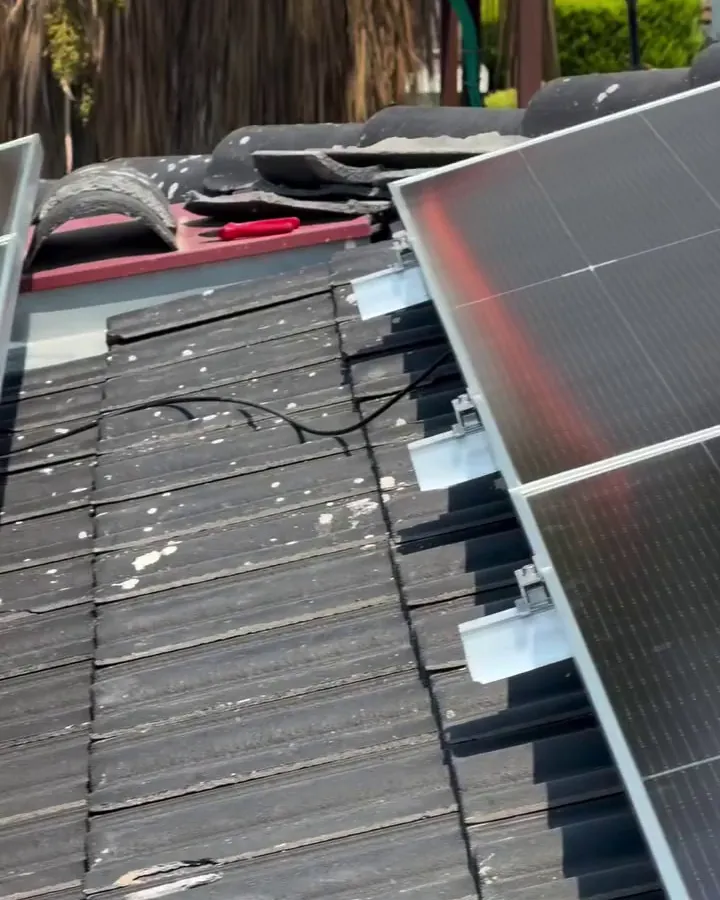
| Tile (timber rafters) | Stainless steel roof hook | Section and condition of the rafter the hook is fixed to | Broken or slipping tiles; the tile at the hook is worked to sit properly and the water path is preserved |
| Trapezoidal metal sheet | Profile-specific clamp or short rail | Sheet thickness and purlin spacing | Leaks through screw holes; sealed screws, fixing through the profile crest |
| Sandwich panel | Clamp or rail suited to sandwich panels | Fixing reaching the purlin or sufficient sheet thickness | Water entering the insulation core; sealed fixings, no overtightening |
| Concrete terrace | Ballasted frame or anchored feet | Slab capacity to carry the extra weight | Membrane damage; protective pads under ballast, membrane detailing at anchors |
For a detailed comparison of mounting systems, see our article on solar panel mounting systems.
Tile roofs: the hook on the rafter, the load off the tile
The basic rule on a tile roof is simple: the tile carries no load. The hook passes under the tile and is fixed directly to the rafter. Where the hook passes through, the tile is worked so that it sits properly; the aim is that the tile does not press on the hook and the natural water path is not disturbed. Walking on tiles increases the risk of breakage, so the installation crew's stepping points should also be planned.
Trapezoidal and sandwich panel roofs: profile-specific clamps
On trapezoidal metal and sandwich panel roofs, common on industrial and agricultural buildings, fixings are made through the crests of the profile, because water runs along the troughs. Sealed fixings are used and screws are not overtightened; overtightening crushes the seal and leads to leaks over time. For issues specific to factory roofs, see our article on rooftop solar for factories in Antalya OSB.
Concrete terraces: ballast or anchors?
Flat concrete roofs offer two options. With a ballasted system, the frames are held down by weight blocks and the membrane is not pierced; however, this weight adds load to the slab, and you must check whether the slab can carry it. With an anchored system, the feet are fixed to the slab; in that case the waterproofing must be properly re-detailed at every anchor point.
Solar Panel Roof Waterproofing: Sealing Every Penetration
Roof waterproofing around solar panels is the longest-lasting outcome of an installation. As long as the panels stay on the roof, so do the fixing points, and each one is exposed to rain, sun and temperature swings for years. Sealing must therefore come from a permanent detail, not a temporary filler.
The main points to watch are:
- The right seal: use sealed fixings that are resistant to sunlight and heat.
- Not relying on mastic alone: mastic and silicone are supplementary; they can harden and crack over time. The real seal must come from the detail of the fixing itself.
- Keeping the water path clear: hooks, rails or cable runs must not block the natural flow of water or create pockets where water collects.
- Cable entries: openings made for cables running from the roof into the building or the inverter room must be sealed with the same care.
- Post-installation check: after the first heavy rain, check the loft and ceilings for signs of damp.
Days of heavy rain in an Antalya winter will reveal any leak quickly; for solar energy in Antalya, rain detailing matters as much as sunshine. That is why a competent solar installer plans the waterproofing detail as carefully, and as early, as the panel layout.
When to Renovate an Old Roof
When the roof itself is nearing the end of its life, installing the panels first can turn into a costly mistake later. Put panels on a roof with scattered broken tiles, a blistered membrane or rusting metal sheet, and within a few years the whole system will have to be removed and refitted for roof repairs. That means both extra work and a period during which the system produces nothing.
The practical rule: when the roof waterproofing or covering is due for renewal in the near future, that work should be done before the panels are mounted. The roof's general condition is assessed with this in mind during the site survey. When an existing plant needs upgrading, our article on repowering an older solar plant may also be useful.
What Should a Solar Company in Antalya Check on Your Roof During the Survey?
During the free site survey, the Solar Nexo team examines the roof not just for area and orientation but also for structure and waterproofing. The checklist covers the roof type and the condition of the covering, the accessible parts of the structure, signs of damp in the loft, building height and location, distance to the roof edges, the cable route and the space where the inverter will go. For any solar company in Antalya, this information should determine which mounting system is chosen and how the panels are laid out.
We describe what a survey involves in detail in our article on what the free site survey covers. Where there is any structural doubt, we recommend getting a civil engineer's assessment before installation. Every installation uses original, invoiced products from TommaTech and CW Enerji; the panels come with a 30-year performance warranty, and the manufacturer warranty certificates are handed over to the customer.
For an investment in solar energy in Antalya, the roof is the foundation of the system. When the foundation is sound, the panels run trouble-free for years; when it is weak, even the highest-quality panel can cause problems for the roof and the building. Whichever solar installer you choose, ask to see how the roof was assessed before the layout was drawn.
Conclusion
Getting the roof load and waterproofing right for solar panels in Antalya means looking at the roof itself before the panels. When wind on the coast, snow in the highlands, the condition of the structure on older buildings and the correct fixing detail for each roof type are assessed together, the system can run safely for many years. Request a free site survey for your solar energy in Antalya project, and we will inspect the condition of your roof on site.
Frequently asked questions
Can solar panels be installed on any roof?
No. Before installation, you need to assess whether the roof can carry the extra load and what condition the covering is in. In addition to the weight of the panels and mounting structure, wind and snow loads are taken into account. Roofs with weakened structure, ageing covering or uncertain slab capacity may first need repairs or a structural assessment by a civil engineer. This check is carried out during the site survey.
How much load do solar panels put on a roof?
The exact figure depends on the panel model, the mounting type and the roof pitch; the panel's weight and dimensions are given on the manufacturer's datasheet. Besides the permanent load, there are variable loads such as wind and snow, and these are often more decisive. That is why, instead of one general figure, each project should be calculated using the product documentation and the load standards in force.
Will roof tiles break when panels are installed on a tile roof?
Not when the work is done correctly, because on a tile roof the load is carried by the hook fixed to the rafter, not by the tile. At the hook, the tile is worked to sit properly and the natural water path is preserved. The risk of breakage mostly comes from uncontrolled walking on tiles during installation, so the crew's stepping points should be planned in advance.
Can panel installation cause roof leaks?
Yes, if the fixing points are not detailed properly, which is why roof waterproofing is one of the most critical aspects of installation. Use sealed fixings resistant to sun and heat, and do not leave the sealing to mastic or silicone alone. On trapezoidal metal roofs, fixings go through the profile crest. Checking the loft for signs of damp after the first heavy rain is recommended.
Ballast or anchors on a flat concrete roof?
The slab's load capacity and the condition of the membrane decide. A ballasted system works without piercing the membrane, but the weight blocks add load to the slab, so its capacity must be checked. An anchored system is lighter, but it requires the waterproofing to be properly re-detailed at every anchor point. The choice is made during the survey based on the roof's condition.
Should I install panels if my roof is due for renovation soon?
We recommend renovating the roof first. When panels are installed on a roof with ageing covering or waterproofing, the whole system will have to be removed and refitted for repairs a few years later. That means extra work and a period in which the system produces nothing. The roof's general condition is assessed with this in mind during the survey, and renovation and installation can be scheduled together.
Is installation different on Antalya's coast and in the highlands?
The fixing logic is the same, but the load priority changes. On the coast and on exposed, tall buildings, wind uplift is decisive; fixing density is increased at roof edges and corners and a margin is left from the edge. In highland areas such as Elmalı, Korkuteli and Akseki, snow load is taken into account. That is why every project is assessed separately according to its location.
Sources
Want a clear calculation for your roof?
The Solar Nexo team carries out a free site survey at your address in Antalya and designs the system that suits your roof, consumption and budget.