Short answer
In the Antalya rooftop leasing for solar model, the roof owner opens the roof to a solar power plant for a set period, and the investor builds and operates it. Building a plant on a leased roof is the other side of the same deal. Success depends on clearly written clauses on term, rent, roof maintenance, insurance, liability and transfer. Always seek expert advice on legal and tax consequences.
Key takeaways
- Rooftop leasing is a model in which the roof owner makes the area available for a solar installation for a set period, and the investor builds and operates the plant.
- As a concept, a power purchase agreement differs from the lease model; whether it can be applied in Türkiye depends on current legislation and expert advice.
- The contract term should be considered together with the economic life of the plant and the remaining life of the roof.
- Roof insulation, structural adequacy and responsibility for removal and reinstallation during roof repairs should be allocated in writing.
- The sale of the building, a change of tenant and the fate of the plant at the end of the contract must be resolved with a transfer clause.
- For definitive decisions on legal and tax matters, obtain the opinion of a lawyer and a certified accountant.
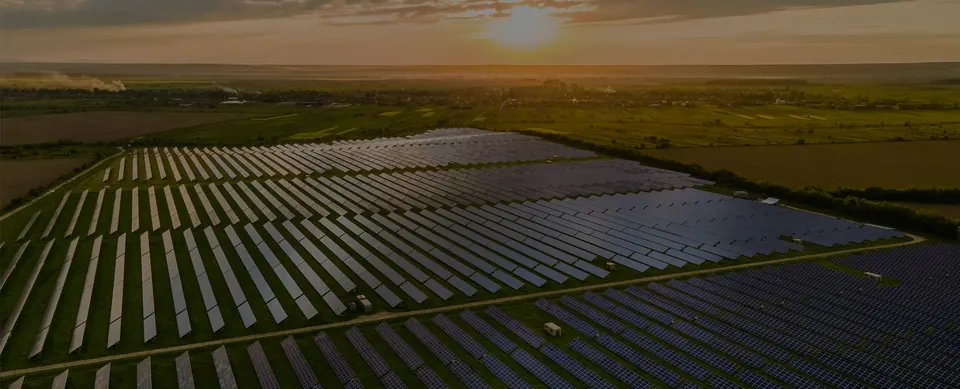
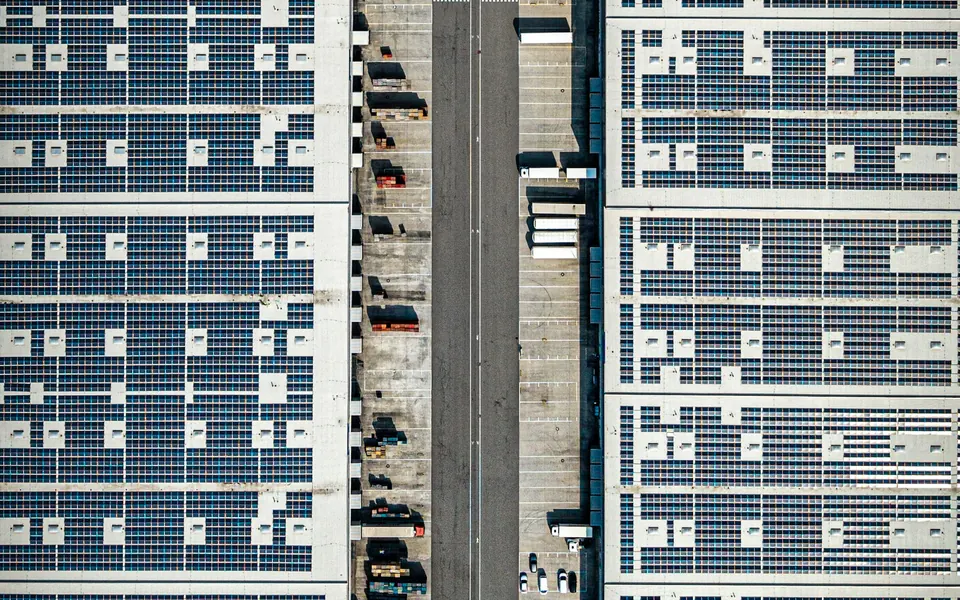
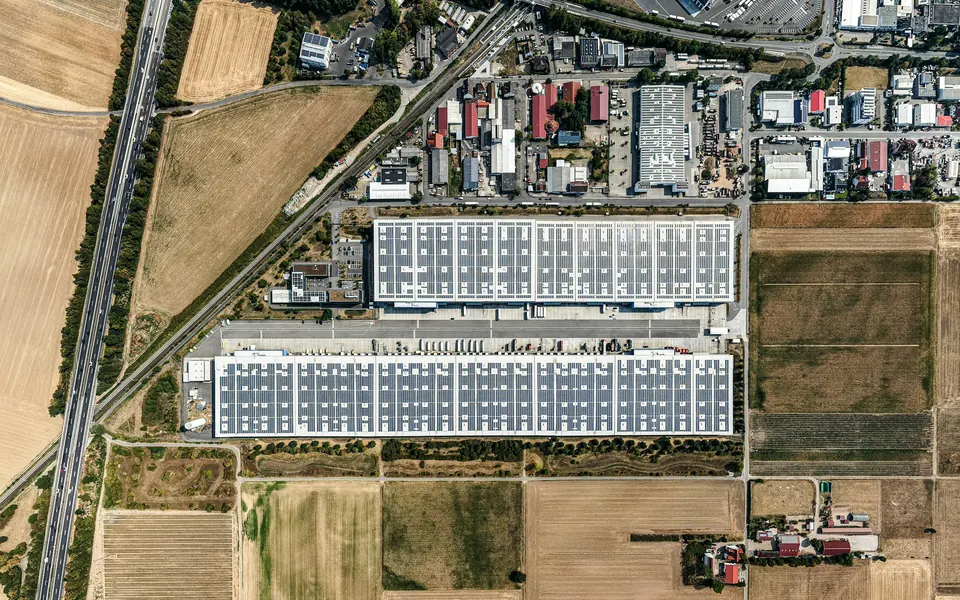
The roof of a large warehouse, factory or commercial building often sits unused for years. The Antalya rooftop leasing for solar model is one way to put that space to work for a solar power plant (GES): the roof owner leases out the area, and the investor builds and operates the plant. On the other side of the same relationship, an investor without a suitable roof of their own wants to generate electricity on a leased roof. In this article we explain the rooftop leasing models that come up in projects for solar energy in Antalya, the points that must be settled in the contract and the risks to watch for. Let us be clear from the start: this is not a legal text, and we recommend obtaining the opinion of a lawyer and a certified accountant before making a final decision.
What is the Antalya rooftop leasing for solar model?
Rooftop leasing means making a building's roof available for a set period for the installation and operation of a solar power plant. In return, the roof owner receives rent, or the parties agree on another form of consideration. Ownership, operation and maintenance of the plant usually rest with the investor, while the roof structure and the building itself remain with the roof owner.
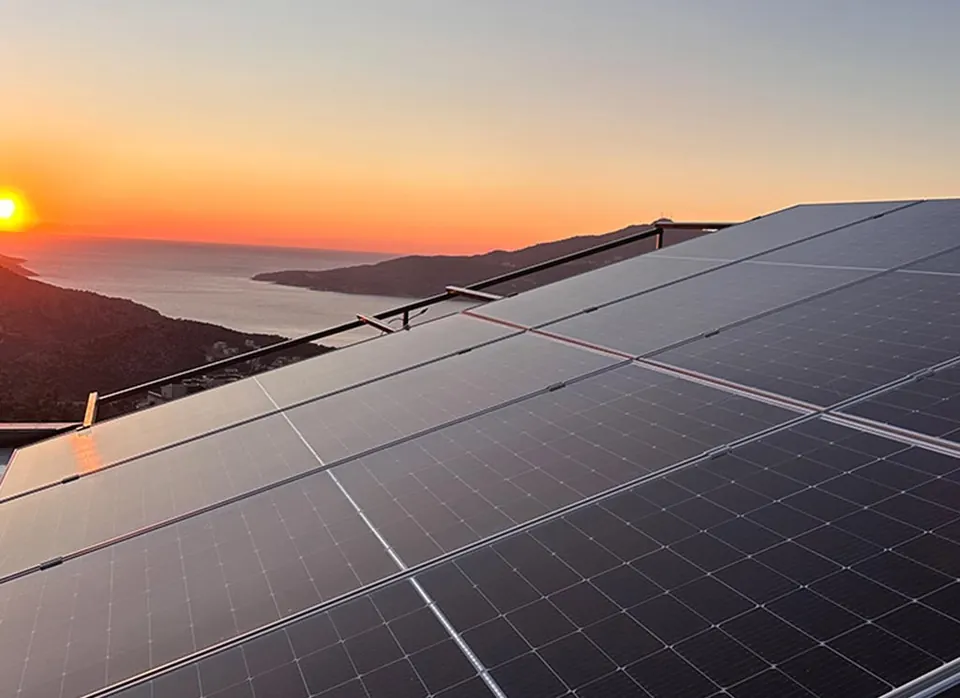
The reason this model attracts interest in Antalya is clear: the region has a strong solar resource. According to PVGIS 5.3 data, the theoretical annual yield per 1 kWp in central Antalya is about 1,656 kWh/kWp (assuming optimum tilt and 14% losses). However, on flat industrial roofs the module tilt is often kept below the optimum, so actual output may fall short of this theoretical value; the feasibility study should account for that difference.
Two parties, two perspectives: roof owner and investor
The party leasing out the roof
For the roof owner, the key issue is that the roof will carry someone else's equipment for many years. How events during that period, such as roof repairs, insulation renewal, building alterations or the sale of the building, will affect the plant should be discussed from the outset. Roof access rules also matter: at what hours, with which safety measures and with whose knowledge will the investor's crew go up on the roof?
The party building a plant on a leased roof
For the investor, the risk is that a long-term investment sits on a structure they do not own. Their priority questions are whether the lease term matches the plant's economic life, how the contract will be protected against a new owner if the building is sold, and whether the roof is structurally adequate. In addition, which consumption facility the generated electricity will be linked to and in whose name the application will be filed should be assessed separately, as of November 2026 according to current legislation.
The power purchase agreement concept and how it differs from rooftop leasing
A power purchase agreement (known internationally as a PPA) is a model in which one party builds and operates the plant and the other buys the electricity generated under terms agreed in advance. In rooftop leasing the consideration is the use of the space; in a power purchase agreement the consideration is the energy produced. They may look similar on paper, but the risk allocation is different: because generation performance directly affects the buyer's bill in a PPA, performance commitments, metering and billing rules sit at the heart of the contract.
In Türkiye, the conditions under which generated electricity can be sold to a third party depend on the legislation on unlicensed electricity generation and the electricity market. You should therefore assess, together with an energy law specialist and within the framework of regulations issued by EPDK (the Turkish energy market regulator), how a PPA structure could be applied to a solar power plant in Antalya. For the general regulatory framework, see our article on unlicensed electricity generation.
Is the roof suitable for a solar plant in Antalya? Structure, insulation and orientation
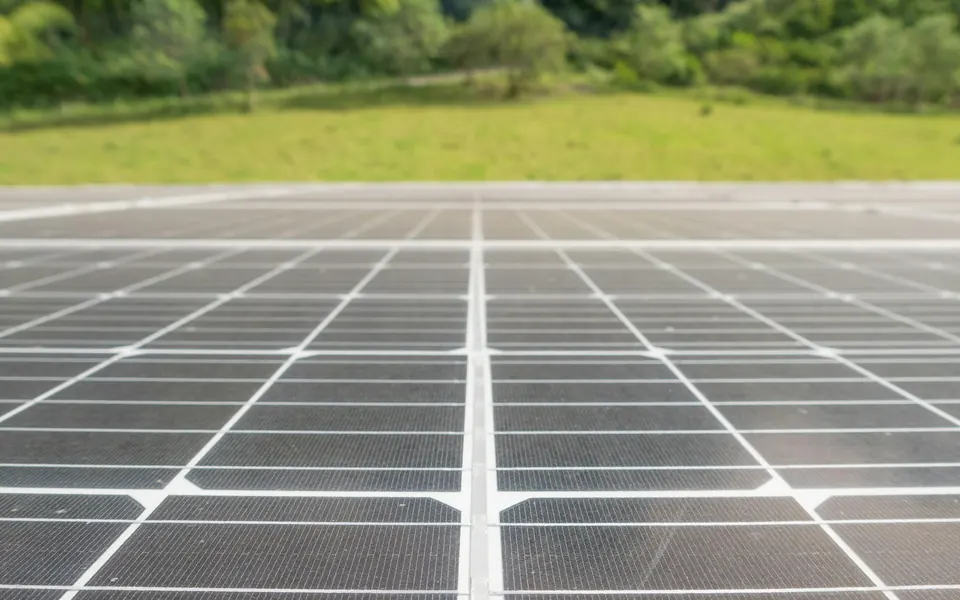
Before signing a lease, you need to be sure the roof is technically suitable. Modules, rails and fixings add load to the roof, and wind load is decisive, especially on warehouse and factory roofs in open areas. The mounting method differs for sandwich panel, trapezoidal sheet and concrete roofs. The condition of the roof insulation, when the waterproofing is due for renewal and anything that casts shade on the roof (ventilation stacks, outdoor air conditioning units, neighbouring buildings) should be recorded during the site survey. For a detailed checklist, read our article on roof structure and insulation.
Along Antalya's coastline, salty air increases the risk of corrosion in rails and fixings; inland, snow and wind loads may come to the fore. The remaining life of the roof matters too: a roof that needs renewing shortly after the plant goes in brings removal and reinstallation costs and lost generation with it.
Clauses an Antalya solar plant roof lease contract should include
A contract for Antalya rooftop leasing for solar is the document in which two parties put into writing a relationship that may last for decades. The table below summarises the items that should be clearly regulated in the contract and why each one matters. Be sure to get a lawyer's support for the legal wording of the clauses.
| Clause | Why it matters | Point to watch |
|---|---|---|
| Term and extension | Alignment with the investment's economic life | Extension and early termination conditions |
| Rent structure | The parties' expectations | Fixed, escalating or generation-linked structure; consult an accountant on tax consequences |
| Area of use and access | Protecting the building's operations | Roof plan, access hours, occupational safety |
| Roof maintenance and repair | Disputes over leaks and damage | Who handles removal and reinstallation, who bears lost generation |
| Insurance | Damage and third-party losses | Plant and building policies complementing each other |
| Liability | Incidents such as fire, water ingress, injury | Allocation according to fault, rules of evidence |
| Transfer and sale | If the building or plant changes hands | Protection of the contract against a new owner |
| End of contract | Fate of the plant | Removal, transfer or renewal options; condition of the roof at handback |
For general solar plant contract items, our article on solar plant contracts offers a checklist that complements this table.
Roof maintenance, insurance and sharing liability
The most frequent source of dispute in a rooftop lease is leaks. When water comes through the roof during a rainy Antalya winter, the argument is whether it was caused by the installation or by the roof's own ageing. Documenting the existing condition of the roof with photographs and a report before installation therefore greatly reduces later disputes. Choosing fixing methods that do not damage the roof covering, and properly sealing any points that must be drilled, serve the same purpose.
On the insurance side there may be two separate policies: one for the plant and one for the building. How these policies complement each other, which damage is covered by which policy and the notification obligations towards the insurer should be clarified. The details are in our article on solar plant insurance. Maintenance of the plant is usually the investor's responsibility; however, issues such as the maintenance crew's access to the roof, drainage of the water used for cleaning and clashes with other rooftop equipment also concern the roof owner.
Transfer, sale and end of contract: critical scenarios for solar power plants in Antalya
In a long-term relationship, the building may be sold, the business may relocate or the investor may wish to transfer the plant. The contract should anticipate these scenarios: if the building is sold, how will the lease be protected against the new owner? If the investor transfers the plant, will the roof owner's consent be required? In some cases options such as annotating the lease right in the land registry (tapu) may come up; consult your lawyer about its feasibility and consequences.
At the end of the contract there are three basic options: removing the plant and returning the roof in a condition close to the day it was handed over, transferring the plant to the roof owner, or renewing the contract. Which option will apply, who bears the cost of removal and how the modules will be disposed of should all be in writing.
Solar Nexo carries out a free site survey that assesses the technical suitability of the roof in Antalya solar energy projects; a preliminary structural assessment, shading analysis and yield estimate give the parties a technical basis for contract negotiations. You can find the general framework for commercial roofs in our Antalya solar power plant guide.
Step by step through the Antalya rooftop leasing for solar process
Putting the process in order helps both parties speak the same language. The steps below are a general framework; the order and scope may vary from project to project.
- Initial meeting: The approximate roof area, the building's use, its ownership status and the parties' expectations are discussed.
- Technical survey: As in Solar Nexo's free site survey, a preliminary structural assessment, insulation check, shading analysis and theoretical yield estimate are carried out.
- Regulatory pre-check: In whose name the application will be filed, the connection possibility and the link with the consumption facility are clarified according to current legislation, if necessary by obtaining information from Akdeniz EDAŞ, the local distribution company.
- Legal and financial review: The draft contract is reviewed with a lawyer, and the tax aspects of the rental income and the investment with a certified accountant.
- Signing and documentation: The existing condition of the roof is recorded with photographs and a report, and the contract is then signed.
- Installation and operation: Design, installation, commissioning and monitoring are carried out; the maintenance schedule is communicated to both parties.
The purpose of this sequence is to avoid spending time and effort on the legal process only for a technical obstacle to emerge later. Clarifying the roof's suitability first, then the regulatory possibility, and finally the details of the contract is the more efficient route.
Conclusion
The Antalya rooftop leasing for solar model is a practical way to bring idle roofs into production and give investors without a roof the space they need; however, its success is largely contractual rather than technical. The structural and insulation condition of the roof should be documented, the term should be chosen to match the plant's life, and the maintenance, insurance, liability and transfer clauses should be written out clearly. The legal and tax consequences of structures such as power purchase agreements and of rental income must be assessed with a lawyer and a certified accountant. For both parties wishing to benefit from the potential of solar energy in Antalya, the soundest start is to put the technical survey report and legal advice on the same table.
Frequently asked questions
Can I lease my roof in Antalya for a solar power plant?
Yes, provided the roof is technically suitable and the parties agree in a contract. The roof's structural adequacy, insulation condition, orientation and shading should be assessed first. In whose name the application is filed and which consumption facility the output is linked to are determined according to current legislation. We recommend obtaining the opinion of a lawyer and a certified accountant on the legal and tax consequences.
What is the difference between rooftop leasing and a power purchase agreement?
In rooftop leasing the consideration is the use of the roof area; in a power purchase agreement it is the electricity generated. In a PPA, generation performance, metering and billing are at the heart of the contract. Since the conditions under which generated electricity can be sold to third parties in Türkiye depend on legislation, the feasibility of this structure should be assessed with an energy law specialist on the basis of the draft contract.
How long should a rooftop lease contract run?
It would not be right to recommend a fixed term; the term should be set together with the plant's economic life, the remaining life of the roof and the parties' plans. Bear in mind that modules carry a 30-year performance warranty, while inverters usually come with shorter warranty periods. Extension, early termination and end-of-contract options should also be written into the same document.
Who is responsible if the roof leaks?
That depends on how the contract regulates it and on the cause of the leak. A leak caused by the installation is assessed differently from a problem arising from the roof's own ageing. Documenting the roof's existing condition with photographs and a report before installation, sealing drilled points and putting removal and reinstallation responsibility for repairs in writing largely prevent disputes. Regular roof checks during maintenance visits also provide early warning.
What happens to the plant on a leased roof if the building is sold?
The outcome depends on the contract's content and the legal protection instruments used. The contract should clearly state how the lease will continue if the building is sold. In some cases, options such as annotating the lease right in the land registry may come up. Always seek a lawyer's opinion on its feasibility and consequences. Whether the roof owner's consent is required if the investor transfers the plant should also be written down separately.
Who insures the plant on a leased roof?
Usually the investor who owns the plant takes out the plant insurance and the roof owner the building insurance, but this depends entirely on the contract. What matters is that the two policies complement each other, that it is clear which damage is covered by which policy and that damage to third parties is not left uncovered. Policy details, deductibles and notification obligations should be reviewed with an insurance specialist.
How does Solar Nexo support the rooftop leasing process?
Solar Nexo provides support on the technical side: during the free site survey it reports the roof's preliminary structural assessment, shading analysis, mounting method and yield estimate. This report gives the parties a technical basis for contract negotiations. Installation, monitoring and maintenance and repair services are also offered. The legal and tax aspects of the contract should be assessed by a lawyer and a certified accountant.
Sources
Want a clear calculation for your roof?
The Solar Nexo team carries out a free site survey at your address in Antalya and designs the system that suits your roof, consumption and budget.