Short answer
An Antalya solar plant investment rests on a strong solar resource; the risks lie less in generation than in design, equipment, installation, regulation, grid connection timelines, insurance, site security, maintenance and financing. When each risk is defined separately with an owner, a safeguard and a supporting document, investment uncertainty drops markedly. The contract, the site survey report and the insurance policy are the core tools for managing it.
Key takeaways
- In Antalya the solar resource is rarely the problem; most risks stem from project, equipment and process decisions.
- Incorrect sizing comes from designs based on guesses rather than consumption data; ask for at least one year of billing history.
- Regulatory and tariff changes cannot be controlled, but they can be managed by not tying the investment decision to a single tariff assumption.
- The grid connection application runs on its own timeline; plan from the outset that net metering applications can take 8–12 months on average.
- Insurance, site security and regular maintenance complement each other; when one is missing, the protection offered by the others weakens.
- A table showing the responsible party, the safeguard and the evidence document for each risk makes the investment decision concrete.
When people think about an Antalya solar plant investment, sunshine hours usually come to mind first. Yet in solar power plant (GES) projects, uncertainty rarely comes from the sky; it comes from the decisions made at the table: how the system is sized, which equipment is chosen, how it is installed, what timeline the application follows and how the plant is protected once it is running. In this article we group the risks encountered in solar energy in Antalya into categories and list practical safeguards for each one. The aim is not to alarm you, but to name the risks and make them manageable.
Why should risk be discussed at the start of an Antalya solar plant investment?
According to PVGIS 5.3 data, the theoretical annual yield per 1 kWp of installed capacity in central Antalya is around 1,656 kWh/kWp (assuming an optimum tilt of 33° and 14% system losses). For Elmalı the figure is about 1,719 kWh/kWp, and for Alanya about 1,615 kWh/kWp. In other words, the resource side in the region is quite predictable. When a project fails to deliver the expected result, the reason usually lies in the gap between this theoretical value and the actual design.
Risk management is inexpensive when it is done before the investment decision; done after installation, it may require dismantling, rewiring, a new application or even legal proceedings. That is why, for every solar power plant in Antalya, one question belongs in the site survey: "What can go wrong with this system, and who takes responsibility for it, backed by which document?"
Technical risks: sizing, equipment quality and installation
Incorrect sizing
A system that is too small leaves a large share of consumption to the grid; one that is far larger than needed can run into regulatory limits, connection capacity constraints and idle investment. Sound sizing requires data, not estimates: at least 12 months of electricity bills, an hourly load profile if available, and any new loads planned for the coming years (air conditioning, heat pumps, electric vehicle charging and so on). A kWp figure given without a consumption analysis is the weakest link in the investment.
Shading and layout errors
Even a system that is correctly sized on paper can underperform because of a layout error. Chimneys, lift towers, neighbouring buildings, trees or, on land, row spacing that is too tight all cast long shadows, especially in winter when the sun is low. According to PVGIS data, theoretical yield in central Antalya drops to 99 kWh/kWp in December and January; this is when the effect of shading is felt most. The safeguard is a year-round shading analysis during the survey and a string design that does not group shaded modules into the same string.
Equipment quality and the documentation chain
Modules, inverters and the mounting system determine the plant's service life of several decades. The risk is not only low-quality products; it is products of unclear origin, without an invoice, or delivered without a warranty certificate. A warranty only works when it can be documented that the product came through an authorised channel. As an authorised dealer of TommaTech and CW Enerji, Solar Nexo uses original, invoiced products and hands the manufacturer warranty certificates to the customer at handover. Modules carry a 30-year performance warranty (the product warranty depends on the model), while inverters come with a 2-, 3- or 5-year factory warranty depending on the model.
Installation and electrical work errors
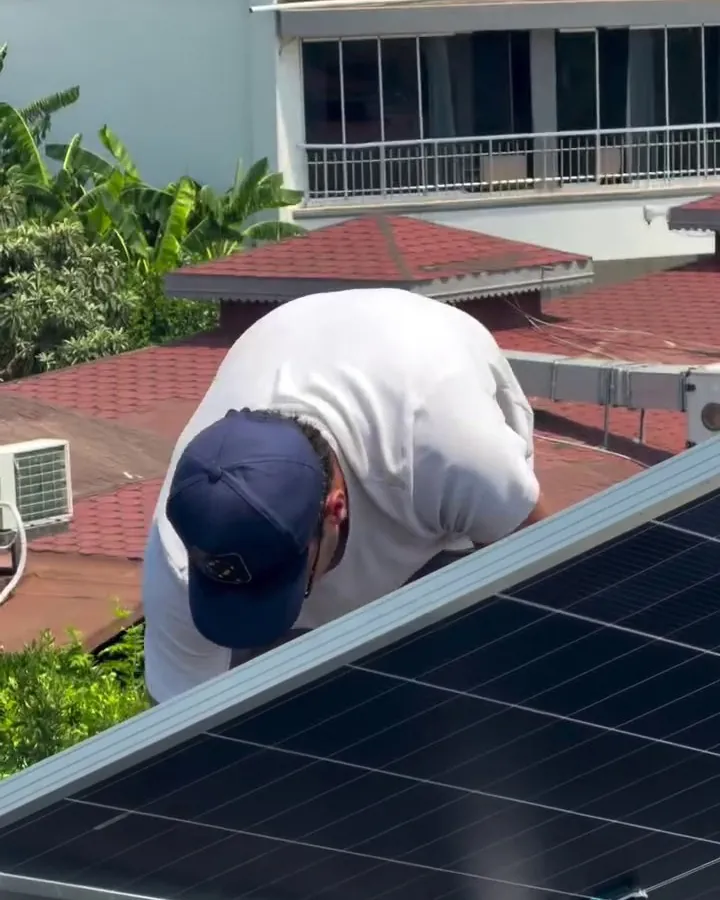
Wrong torque values, unsuitable clamps, loose MC4 connectors, cables left exposed to the sun and incomplete earthing often go unnoticed in the first years, only to come back later as faults, yield losses or fire risk. In Antalya's coastal districts salt-air corrosion, and inland wind loads, make mounting details even more critical. The safeguards are a structural assessment, an approved design, an installation documented with site photographs, and commissioning measurements handed over as a written report.
Regulatory, tariff and grid connection timeline risks
The rules on unlicensed electricity generation, net metering (mahsuplaşma) and the sale of surplus energy are set by regulations of EPDK, the Turkish energy market regulator, and the Ministry of Energy and Natural Resources, and they can change over time. As of November 2026, according to current legislation, the application conditions and net metering principles are clear; however, nobody can guarantee future changes. The most sensible approach is not to tie the investment decision to a single tariff or sales assumption. A design with high self-consumption is more resilient to changes in sales conditions.
The grid connection is a separate risk item. In Antalya, connection opinions and acceptance procedures are handled by Akdeniz EDAŞ (AEDAŞ), the local distribution company. Transformer capacity, the volume of applications in the area and missing paperwork can all extend the timeline. In our contracted installations the delivery time is 14 working days; for net metering systems, the application process can independently take 8–12 months on average. Keeping these two timelines apart is important for cash flow planning. For the process steps, see our article on solar plant project design.
Insurance, theft and site security for Antalya solar power plants
Natural disasters, lightning, hail, fire, theft and damage to third parties are the subject of insurance. What matters is reading what the policy actually covers: business interruption (loss of generation) cover, the deductible, the conditions under which theft is covered and the security measures the policy requires. We cover the details in our solar plant insurance guide.
On ground-mounted and rooftop plants, theft risk mainly concerns cables, modules and inverters. Perimeter fencing, lighting, cameras, locked distribution boards and alarms from the monitoring system should be considered together. Some insurance policies may make cover conditional on these measures, so the security plan should be built in line with the policy. For a closer look at the topic, read our article on solar plant site security.
Neglected maintenance and silent performance loss
A solar power plant needs little maintenance; the idea that it "needs no maintenance at all" is a common misconception. In Antalya, summer dust, the spring pollen season, salt deposits on the coast and pesticide residues on sites close to farmland build up a layer of dirt on module surfaces. The more insidious risk is faults that go unnoticed: a string that has dropped out, an MPPT input running low without raising an error, or an overheating connector.
The safeguard is regular reading of monitoring data and planned maintenance. Comparing output with PVGIS theoretical values and with the same month of the previous year reveals deviations early. When periodic cleaning, thermal camera inspection, connection tightness checks and electrical measurements are tied to a maintenance contract, responsibility becomes clear. Solar Nexo provides solar plant maintenance and repair services, including for systems installed by other companies; in this context we replaced five faulty inverters at an existing plant in Gazipaşa.
Financing risk and cash flow planning
In an Antalya solar plant investment financed by a loan or leasing, the risk may arise not from generation but from a poorly structured repayment schedule. Loan repayments starting while the connection process drags on, exchange rate or interest rate changes, and shifts in the business's consumption profile can all squeeze cash flow. In this article we deliberately give no payback period or prices, because these values vary widely with consumption pattern, tariff, financing terms and system type, and generalisations are misleading.
What you can do is calculate different scenarios (optimistic, cautious, pessimistic) separately, add a connection delay to each scenario and choose the repayment plan according to the cautious one. For the general framework of financing options, see our article on solar energy loans and financing.
Risk and mitigation table for an Antalya solar plant investment
The table below summarises the risks together with the responsible safeguard and the evidence document. For your own project, we recommend filling in this table with your installer at the quotation stage.
| Risk | Possible outcome | Safeguard | Evidence / document |
|---|---|---|---|
| Incorrect sizing | Low self-consumption, idle capacity | 12 months of bills and a consumption analysis | Consumption analysis report |
| Undocumented equipment | Warranty cannot be enforced | Original product from an authorised channel | Invoice, manufacturer warranty certificate |
| Installation error | Faults, yield loss, fire risk | Structural assessment, approved design, measurements | Commissioning and measurement report |
| Regulatory / tariff change | Revenue assumption changes | Self-consumption-focused design, scenario analysis | Scenario table |
| Connection delay | Late commissioning | Early application, complete paperwork | Application and acceptance correspondence |
| Natural disaster, fire | Equipment damage | Comprehensive policy, suitable protection devices | Insurance policy |
| Theft | Loss of equipment and generation | Fence, cameras, lighting, alarm | Security plan |
| Neglected maintenance | Silent generation loss | Monitoring and planned maintenance | Maintenance contract and reports |
| Financing mismatch | Cash flow squeeze | Repayment plan based on the cautious scenario | Financing plan |
The role of the contract in Antalya solar energy projects
Most of the safeguards in the risk table are only binding when they are in writing. The quotation and the contract should clearly state the following: the capacity of the system and the equipment list (brand, model, quantity), the delivery time and the fact that the application process is separate from it, handover of warranty certificates, commissioning measurements, training and monitoring access, and the maintenance scope if any. Verbal promises cannot be proven when a problem arises. When comparing offers on the Antalya solar energy market, looking not only at the total amount but at how clearly these items are written eliminates much of the risk from the outset.
For a complete roadmap, start with our Antalya solar power plant guide. During its free site survey, Solar Nexo reviews your consumption data, roof or land conditions and connection situation with you.
Conclusion
An Antalya solar plant investment benefits from a strong and predictable solar resource; the real determinants of risk are human decisions. When sizing based on real data, documented equipment, installation proven by measurements, an application process with a realistic timeline, an insurance policy that has actually been read, a security plan and regular maintenance come together, an investment in solar energy in Antalya turns from an uncertainty into a manageable project. Write down every risk by name, assign an owner and ask for the document: that is exactly the summary of this article.
Frequently asked questions
What is the most critical technical risk in an Antalya solar plant investment?
The most common critical technical risk is incorrect sizing. Installed capacity chosen on estimates rather than real consumption data lowers self-consumption or creates idle capacity. To prevent this, at least 12 months of bills, an hourly load profile where possible and any future loads should be assessed during the site survey. Installation errors and undocumented equipment follow close behind.
What can be done about the risk of regulatory change?
Regulatory change cannot be controlled, but its impact can be reduced through design. A system with a high self-consumption ratio is less affected by changes in sales conditions. As of November 2026, according to current legislation, the conditions are clear; even so, do not tie the investment decision to a single tariff assumption, and follow announcements from EPDK and the Ministry regularly.
Is the grid connection process completed within the same time as the installation?
No, these are two separate timelines. At Solar Nexo, contracted installation delivery takes 14 working days; for net metering applications, the Akdeniz EDAŞ process can take 8–12 months on average. Transformer capacity, missing paperwork and the volume of applications in the area affect this period. Both processes should be accounted for separately when planning cash flow.
Which risks does solar plant insurance cover?
Cover depends on the policy; it typically includes fire, lightning, natural disasters, theft and third-party damage. Always read the loss of generation cover, the deductible and the security measures the policy requires. Some policies may make theft cover conditional on measures such as fencing, cameras or alarms, so the security plan should be set up in line with the policy.
Does the plant stop immediately if maintenance is skipped?
Usually not; the real risk is silent performance loss. Soiling, a string that has dropped out or an MPPT input running low can reduce output without raising any error. This loss only becomes visible when monitoring data is read regularly. A maintenance programme covering planned cleaning, thermal inspection, connection checks and electrical measurements is the most practical way to manage this risk.
Why don't you give a payback period in this article?
Because the payback period is project-specific and a general figure would be misleading. Consumption profile, tariff, system type, financing terms and self-consumption ratio all change the result directly. Instead, we recommend calculating optimistic, cautious and pessimistic scenarios separately and basing the decision on the cautious one. After the site survey, this calculation can be done with your own data.
Which documents should I ask for to reduce equipment risk?
Ask for the invoice, the manufacturer warranty certificate and the product datasheets. Brand, model and quantity should be clearly stated in the quotation and the contract. As an authorised dealer of TommaTech and CW Enerji, Solar Nexo uses original, invoiced products and provides the warranty certificates at handover. Modules carry a 30-year performance warranty, inverters a 2-, 3- or 5-year factory warranty depending on the model.
Sources
Want a clear calculation for your roof?
The Solar Nexo team carries out a free site survey at your address in Antalya and designs the system that suits your roof, consumption and budget.