
Short answer
An Antalya solar plant contract puts in writing the scope of the installation, the equipment list down to brand, model and quantity, the delivery time, the payment stages, the warranty documents, the acceptance conditions and each party's responsibilities. The installation period and the official net metering application process should be stated separately, and payments should be tied to progress. This article is general information, not legal advice.
Key takeaways
- The equipment annex should state brand, model, quantity and total kWp; generic descriptions are not enough.
- Solar Nexo's contractual installation delivery is 14 working days; the net metering application process can take an additional 8–12 months on average.
- Each payment stage should be linked to a clear trigger, such as material delivery, installation or acceptance.
- The warranty clause should be written per product, and manufacturer warranty documents and serial numbers should be handed over.
- Opening the monitoring account in the investor's name protects long-term access to the data.
An Antalya solar plant contract is the document that puts in writing the scope, equipment, timeline, payment arrangement, warranties, acceptance conditions and responsibilities agreed between the contractor and the investor when a solar power plant (GES) is installed. Anything discussed at the quotation stage carries no weight in a later dispute unless it has made its way into the contract. Reading the text against a checklist before signing therefore saves time and effort for homeowners and businesses alike.
In this article we go through, in order, the headings to look for in a turnkey installation contract. The information is for general guidance only and is not a substitute for legal advice; for larger investments in solar energy in Antalya in particular, we recommend having the contract reviewed by a lawyer as well.
Why should an Antalya solar plant contract be detailed?
A solar project is made up of many items: panels, inverter, mounting system, cabling, protection equipment, design drawings, application procedures and commissioning. The word "turnkey" on a quotation does not necessarily mean that all of these items are included. The clearer the contract, the less likely you are to hear "that was not included in the price" later on.
A well-prepared contract protects not only the investor but also the contractor. When site conditions, the preparations expected from the customer and the work outside the scope are written down clearly, both parties know exactly what they have committed to. That is why it is important to ask for a draft contract when comparing quotations; for methods of comparing offers, see our article on comparing solar energy quotes in Antalya.
Scope and equipment list: brand, model, quantity
The contract annex should include a list giving the brand, model and quantity of every main piece of equipment to be installed. Generic phrases such as "high-efficiency panel" or "quality inverter" are not enough. The list should contain at least the following:
- Panels: Brand, model, unit power (W), quantity and total installed capacity (kWp).
- Inverter: Brand, model, rated power and type (on-grid, hybrid, off-grid).
- Battery (if any): Chemistry, usable capacity (kWh), brand and model.
- Mounting system: Material type and fasteners suited to the roof type.
- Electrical components: Solar cable cross-section, DC and AC protection devices, distribution board, earthing and surge protection.
- Monitoring: Remote monitoring device and app access.
The scope section should also state who is responsible for ancillary work such as design drawings, the structural assessment, preparing the application file, transport, any need for scaffolding or a crane, and removing waste material from the site. If excluded work is listed in a separate clause, there will be fewer surprises.
Survey findings and change requests
The contract should be based on the site conditions identified during the survey: roof type, panel layout, inverter and board location, cable route and any notes on shading. If this information is attached to the contract as a survey report or layout drawing, the question "why is it here?" during installation answers itself. As the project progresses, the customer may want to add more panels or add a battery later. The healthiest approach for both sides is to agree from the outset that such changes will be made through a written addendum stating their effect on scope, timing and price. This clause is often overlooked when an Antalya solar plant contract is drafted, yet even small later changes can extend the schedule.
| Contract heading | What to look for in the text | Why it matters |
|---|---|---|
| Scope | Separate lists of included and excluded work | Prevents disputes over extra work and extra charges |
| Equipment annex | Brand, model, quantity, total kWp | Confirms that the delivered product matches the quotation |
| Timeline | Installation period, start date, separation from the official process | Keeps expectations realistic |
| Payment | Stages and the trigger for each stage | Balances payment against work progress |
| Warranty | Warranty type and term per product, handover of documents | Clarifies whom to contact in the event of a fault |
| Acceptance | Tests, sign-off report, documents to be handed over | Ties completion to an objective criterion |
| Maintenance and support | Fault reporting channel, response approach | Ensures continuity after installation |
| Liability | Delay, damage, force majeure, disputes | Provides a roadmap if problems arise |
Delivery time and timeline for an Antalya solar power plant
A common point of confusion in the timeline clause is the assumption that the installation period and the official grid connection process are the same thing. At Solar Nexo, our delivery time for contracted installations is 14 working days. For net metering systems (mahsuplaşma, where the energy you feed into the grid is offset against the energy you draw), however, the application to the distribution company and the approval process can take 8–12 months on average, independently of the installation schedule. These two periods should be written into the contract separately.
In the timeline clause, pay attention to the following:
- The date from which the period starts (for example, the contract date or the date the site is ready).
- The preparations expected from the customer: roof access, access to the electrical board and delivery of the required documents.
- How delays caused by weather or by public authorities will be handled.
- Which party will prepare which document during the official application process.
For detailed information on the application steps and the acceptance process in the region served by Akdeniz EDAŞ (the local electricity distribution company), see our article on the Antalya solar plant acceptance process.
The logic of the payment plan
The payment plan should be balanced against the progress of the work. The contract should clearly define what each payment stage depends on, in other words its trigger: signing the contract, delivery of materials to the site, completion of installation, and commissioning and acceptance are examples of such triggers. The number of stages and the percentages vary from project to project; we deliberately do not give any percentages here.
The payment clause should also state how invoicing will be handled, whether taxes are included in the price and whether the price remains fixed in situations such as exchange rate changes. If you are financing your investment in solar energy in Antalya with a loan or other credit, the loan drawdown schedule needs to match the payment stages in the contract. Any payment arrangements agreed verbally must also be put in writing.
Warranty documents and product authenticity
The warranty clause should be written separately for each piece of equipment, because every product has a different warranty type and term. As an example, the warranty framework for the products supplied by Solar Nexo is as follows:
- Panels: 30-year performance warranty; the product warranty varies by model.
- Inverter: 2, 3 or 5 years of factory warranty, depending on the model.
- Lithium battery: 5 years or 8,000 cycles.
For the warranty to be valid, the product must be original and invoiced, the serial numbers must be recorded and the manufacturer warranty documents must be handed over to the customer. As an authorized dealer of TommaTech and CW Enerji, Solar Nexo hands over the manufacturer warranty documents at the end of the installation. For details on warranty conditions, see our article on solar panel warranty terms. The contract should also clearly define how notification and remedy will work if a defect arising from the installation is discovered.
Acceptance, testing and the documents to be handed over
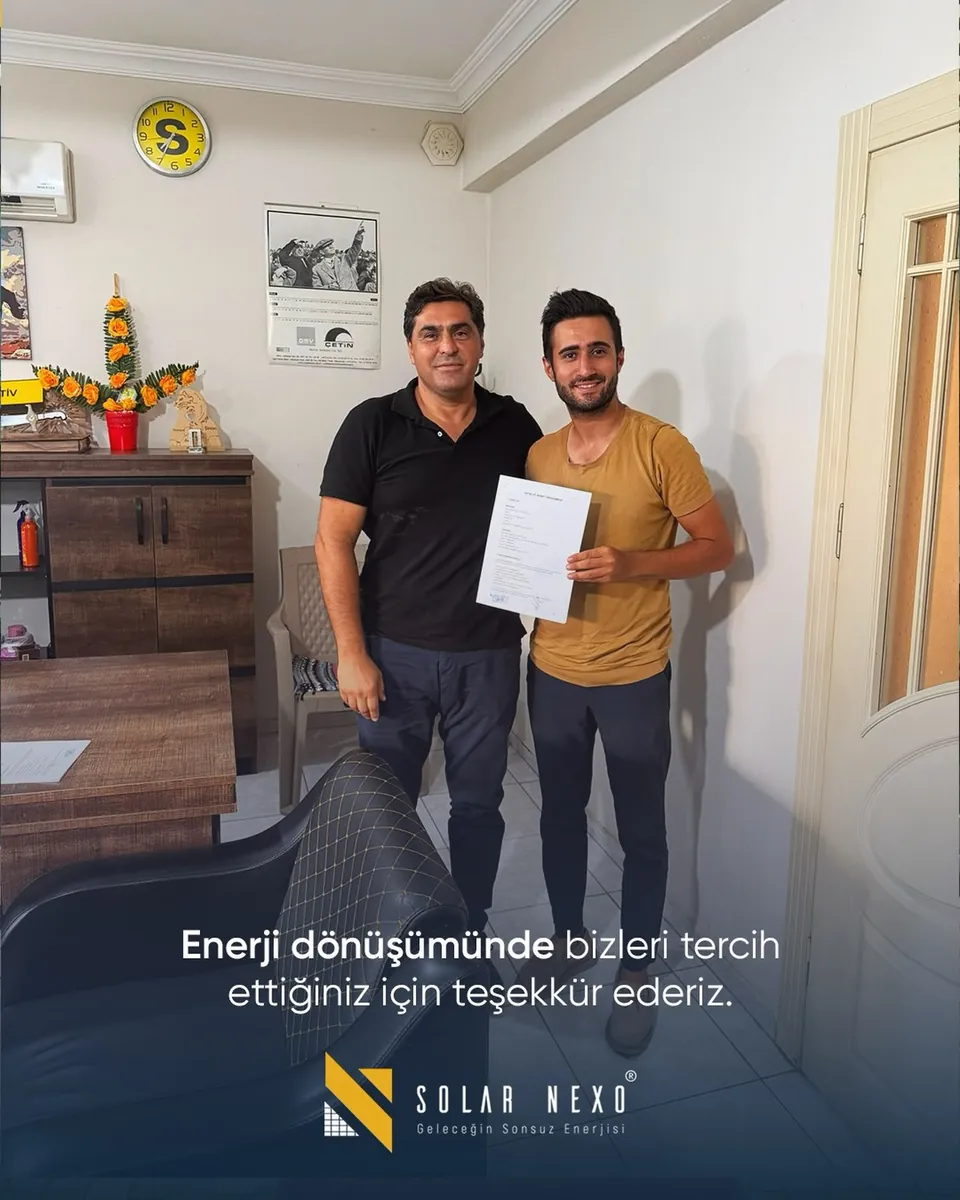
The moment the work is "finished" should be tied to an objective criterion in the contract. Usually this criterion is commissioning of the system, completion of basic electrical tests and an acceptance report signed by both parties. The documents the customer can expect to receive at acceptance are:
- An up-to-date single-line diagram and layout plan of the system as built.
- The equipment list and serial numbers.
- Manufacturer warranty documents and invoices.
- Records of the measurements and tests carried out during commissioning.
- Login details for the monitoring app and a brief explanation of how to use it.
For net metering systems, the acceptance carried out by the distribution company is a separate process. The contract should state to what extent the contractor will support that process, for example whether it will be present on site during the inspection.
Monitoring, maintenance and technical support
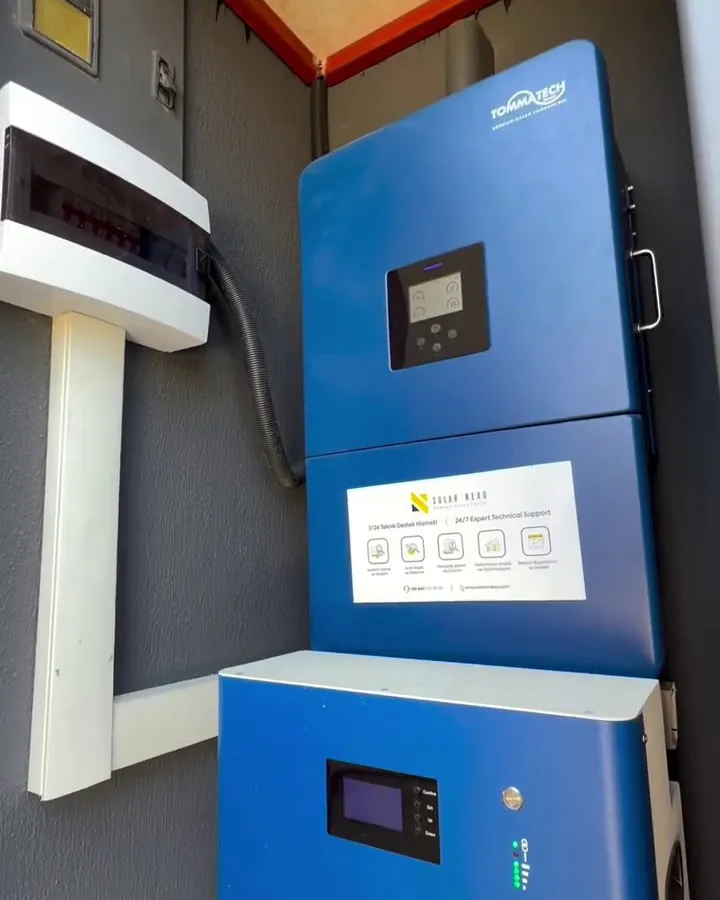
After installation, remote monitoring is the most practical way to see that the system is working properly. The contract should state whether the monitoring device is included in the scope and in whose name the app account will be opened. Having the account in the investor's name protects your access to the data even if you change companies later. To read about the benefits of monitoring, see our article on remote monitoring for solar plants in Antalya.
Maintenance can be covered within the installation contract or through a separate maintenance agreement. In either case, the fault reporting channel, the scope of periodic inspections and the excluded work should be clear. Solar Nexo offers its customers 24/7 technical support and also provides maintenance and repair services for systems installed by other companies. If you are considering a separate maintenance agreement, our article on the Antalya solar plant maintenance contract will be a useful guide.
Penalty clauses and liabilities in Antalya solar energy investments
The least-read but most important parts of a contract are usually the clauses at the end. This section covers what happens in the event of a delay, who is held responsible for any damage on site, which situations count as force majeure and which route is taken in a dispute. Penalty clauses should be balanced for both parties: just as the contractor's delays are addressed, so can the customer's failure to prepare the site or late payment be.
- Responsibility for damage that may occur to the roof or building during installation, and the insurance position.
- Whether delays caused by public authorities are attributed to the contractor or treated as force majeure.
- Under which conditions the contract can be terminated and how work already completed will be valued in that case.
- The competent forum for disputes.
The content of these clauses varies with the project and the negotiating position of the parties. Rather than suggesting a fixed template, we recommend reading the text until no clause remains unclear to you and seeking legal support if necessary.
Conclusion
A good Antalya solar plant contract is a text that separates scope from exclusions, defines the equipment down to brand, model and quantity, states the installation period separately from the official process, ties payment to work progress, and lists the warranty documents and acceptance documents. Before you sign an Antalya solar plant contract, we recommend using the checklist in this article and, for larger projects, obtaining a legal opinion. For an overview of the process, see the Antalya solar power plant guide, and request a free site survey and a draft contract from Solar Nexo.
Frequently asked questions
What information must a solar plant contract contain?
A solar plant contract should contain at least clauses on scope, the equipment list, the timeline, the payment plan, warranty, acceptance and liability. The equipment list should include brand, model, quantity and total installed capacity. Listing excluded work separately, stating the installation period and the official application process separately, and specifying the documents to be handed over all reduce the risk of later disputes.
Are the installation period and the net metering process the same thing?
No, the installation period and the official process for a net metering application are different things. Solar Nexo's contractual installation delivery is 14 working days. For net metering systems, the application to the distribution company and the approval process can take 8–12 months on average, independently of the installation. The contract should state these two periods separately and specify which party prepares which document.
How should the payment plan be structured?
The payment plan should be structured so that each stage is tied to a clear trigger and stays balanced with the progress of the work. Signing the contract, delivery of materials to the site, completion of installation and acceptance are examples of such triggers. The number of stages and the percentages vary by project. The contract should also state whether taxes are included and whether the price is fixed.
How should the warranty be written in the contract?
The warranty should be written separately for each piece of equipment, together with its type. For panels, for example, the performance warranty and the product warranty are different, and the inverter and battery each have their own warranty conditions. For the warranty to work, the products must be original and invoiced, the serial numbers must be recorded and the manufacturer warranty documents must be handed over at the end of the installation.
Why is the acceptance report important?
The acceptance report is important because it ties completion of the work to an objective criterion. Signed by both parties after the system is commissioned and the basic tests are carried out, this document provides the basis for matters such as the final payment and the start of the warranty. Together with the report, the single-line diagram, equipment list, serial numbers, warranty documents and monitoring login details should also be handed over.
In whose name should the monitoring account be opened?
It is recommended that the monitoring account be opened in the name of the investor, that is, the system owner. That way, even if you change maintenance companies later, you keep access to the generation data and historical records. The installer can be given separate authorization for technical support. The contract should state whether the monitoring device is included in the scope and when the login details will be handed over.
Does this checklist replace legal advice?
No, this checklist is for general information only and does not replace legal advice. It shows which headings to look at when reading a contract. Clauses on penalties, termination, force majeure and disputes differ from project to project. Especially for business and ground-mounted investments, we recommend having the contract reviewed by a lawyer, particularly in projects that involve long-term leases or partnerships.
Sources
Want a clear calculation for your roof?
The Solar Nexo team carries out a free site survey at your address in Antalya and designs the system that suits your roof, consumption and budget.