
Short answer
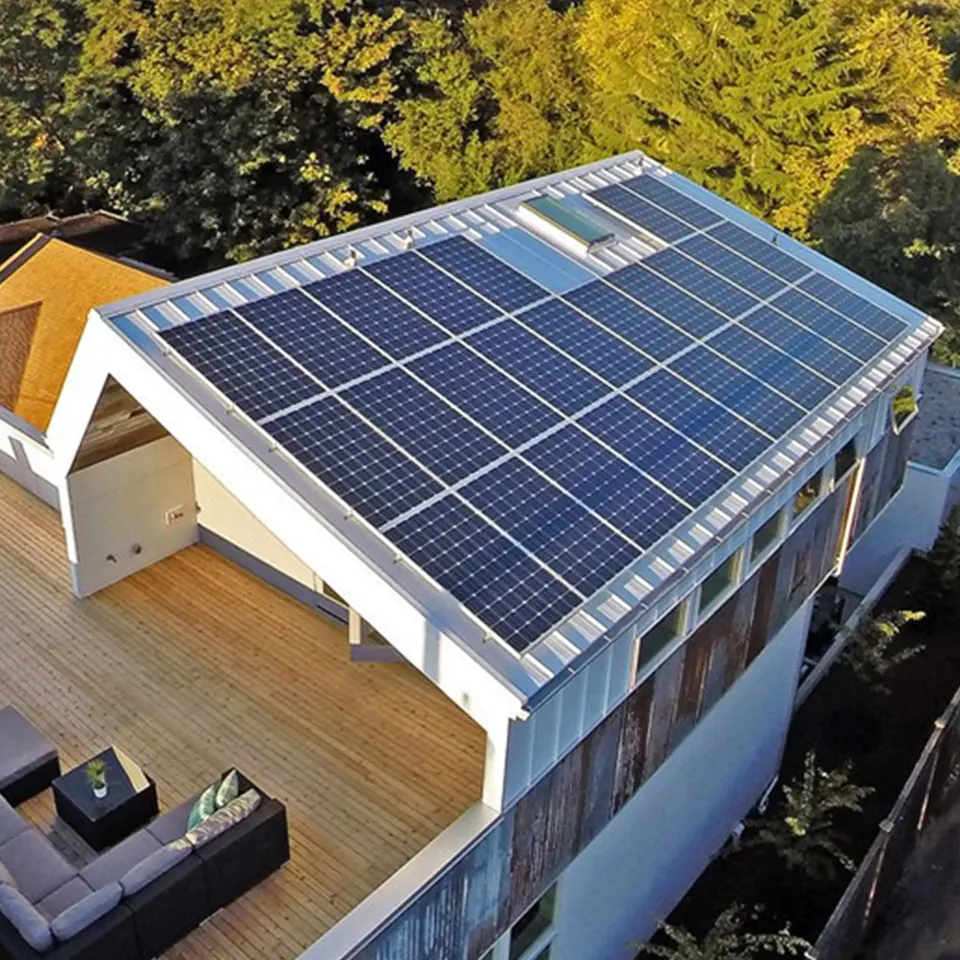
Solar panels vs solar water heater in Antalya: the short answer depends on your needs. Solar panels generate electricity and cut all electrical consumption, from air conditioning and appliances to the pool pump; a solar collector (thermosiphon) only produces hot water. If most of your bill is electricity, choose panels; if only hot water matters, a collector wins. With enough roof, use both; with limited space, combine panels with a heat pump.
Key takeaways
- Solar panels turn light into electricity, while solar collectors turn radiation into heat (hot water); they are not rivals but tools for different needs.
- The thermosiphons common on Antalya roofs are simple, pump-free systems, but they do not reduce the electricity used by air conditioners and appliances.
- According to PVGIS 5.3, a 1 kWp panel system in central Antalya has a theoretical annual yield of 1,656 kWh; for a 5 kWp system that comes to about 8,280 kWh.
- When both systems share a roof, the thermosiphon tank must be positioned so it does not shade the panels, and the roof's structural load must be checked.
- A heat pump water heater running on panel electricity supplies hot water indirectly from the sun; the Solar Nexo catalogue includes TommaTech Power series heat pumps.
Most homeowners who want to put solar on their roof run into the same question first: solar panels vs solar water heater – which is the right choice in Antalya? Both use the sun, both sit on the roof and, from the street, they look alike. But one produces electricity and the other produces hot water. So the real question is not "which one is more powerful" but "which need am I trying to solve".
This guide explains, in plain language, the technical difference between photovoltaic panels and solar thermal collectors (known locally as the "termosifon", a thermosiphon water heater), why you see so many of them on Antalya rooftops, how the two systems can share one roof and how a heat pump can supply your hot water instead. The goal is to start your investment in solar energy in Antalya with the right equipment.
Two technologies, two kinds of energy: electricity and hot water
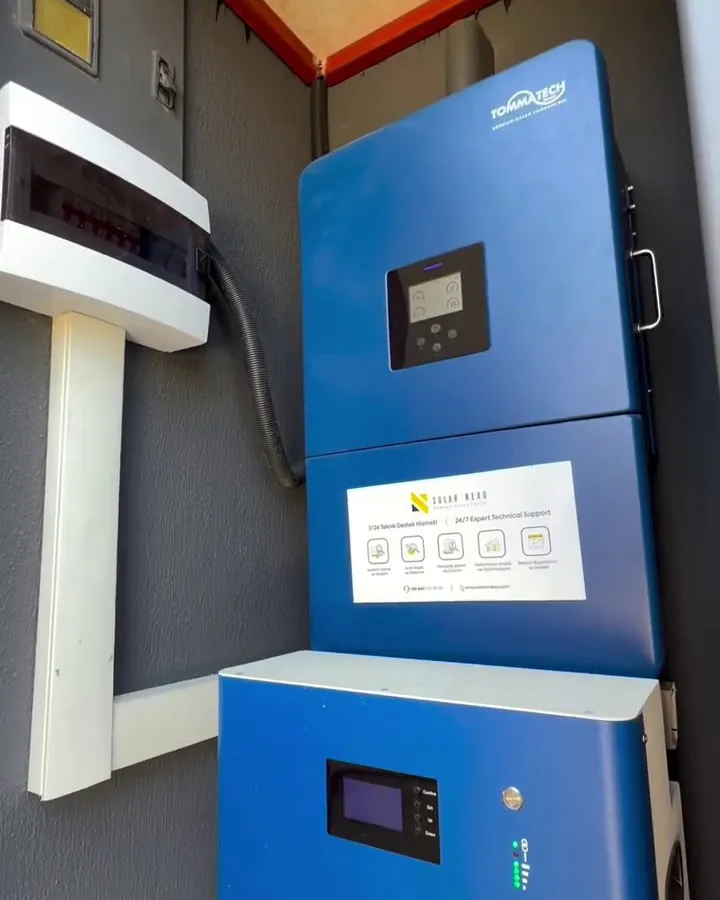
A solar panel (photovoltaic panel) is made of semiconductor cells that turn the light falling on them directly into electricity. The direct current (DC) it produces is converted by an inverter into the alternating current (AC) used in the home. That electricity can power every appliance in the house, from the air conditioner and fridge to the pool pump and lighting.
A solar collector, by contrast, turns solar radiation into heat. Water or an antifreeze fluid flowing through the tubes inside the collector warms up, and the heat is stored in a tank. What it delivers is not electricity but hot water for the bathroom, the kitchen and, in some systems, space heating support.
Collectors come in two main types. Flat-plate collectors consist of an absorber plate inside a glazed, insulated box. Evacuated-tube collectors use a vacuum between concentric glass tubes to cut heat losses. What people in Turkey call a "termosifon", or simply "güneş enerjisi", is usually a pump-free, natural-circulation unit made of a collector with a storage tank mounted on top.
To sum up: the panel reduces the kilowatt-hours that pass through your meter; the collector reduces the energy you would otherwise spend heating water. They are not competitors but tools for different jobs.
Why are thermosiphon water heaters so common on Antalya rooftops?
Whichever neighbourhood of Antalya you visit, you will see thermosiphon tanks on the roofs. The reason is simple: the system has few moving parts, needs no pump and is a practical way to heat domestic water in a sunny climate. Because heated water becomes less dense, it rises by itself into the tank above while cold water sinks; circulation is driven by that basic physics.
Thermosiphons do have well-known limits, though. On cloudy winter days the tank may not get hot enough, so most units are backed up by an electric immersion heater. Hard water causes scaling that lowers efficiency over time. A full tank puts a concentrated load on the roof. And in high-altitude inland districts such as Elmalı and Korkuteli, where winter nights can bring frost, open-loop systems need protection against frozen pipes.
None of this makes the thermosiphon a bad choice; it simply clarifies what it solves. A thermosiphon lowers the cost of hot water, but it does nothing for the electricity used by your air conditioner, appliances or pool pump. Since air conditioning is what drives the summer bill in many homes, the item that really moves your total spending is usually electricity use, not hot water.
Solar panels vs solar water heater in Antalya: comparison table
The table below puts the two technologies side by side using the same criteria. We compared them by function rather than by numbers, because capacity is sized to the need in both cases.
| Criterion | Solar panel (photovoltaic) | Solar collector (thermosiphon) |
|---|---|---|
| Energy produced | Electricity (DC, converted to AC by an inverter) | Heat (hot water) |
| Used for | Every electrical appliance in the home | Domestic hot water, space heating support in some systems |
| Surplus energy | Can be exported to the grid under net metering or stored in a battery | Once the tank is full, surplus heat is wasted |
| Grid relationship | Can be on-grid, off-grid or hybrid | Independent of the grid (except the backup heater) |
| Storage | Lithium battery (optional) | Hot water tank |
| Maintenance | Periodic cleaning and electrical checks | Scale and leak checks, antifreeze where needed |
| Roof load | Spread over the area, relatively low | Concentrated load from the full tank |
| Paperwork | Grid-connected systems require an application to the distribution company | No grid application needed |
| Warranty | 30-year performance warranty on the panels Solar Nexo installs | Varies by manufacturer |
The takeaway from the table: when weighing solar panels vs solar water heater, start by asking which cost you want to shrink. If your electricity use is high, panels come out ahead; if hot water is the only significant expense, a collector does.
When does each option make sense?
Small households that only need hot water
For a household with low electricity use that heats its water with an electric boiler or immersion heater, a well-functioning collector is often enough. If your existing thermosiphon is sound, there is no technical reason to remove it; servicing it and checking it for scale is the more sensible step.
Homes with heavy air-conditioning, pool and appliance use
In homes where the air conditioner runs for long hours in summer, where there is a pool pump or an electric car to charge, the real gain comes from solar panels. According to PVGIS 5.3 data, a 1 kWp system in central Antalya facing south at the optimum tilt (33°) has a theoretical annual yield of 1,656 kWh. A 5 kWp rooftop system therefore produces a theoretical 5 × 1,656 = 8,280 kWh/year; the real figure will differ depending on shading, soiling and orientation.
Those who want to cover both needs
If there is enough roof space, the two systems can work together. The thermosiphon then takes care of hot water, while Antalya solar panel systems cover the rest of the electricity demand. If space is tight, handing hot water over to a heat pump running on panel electricity is the way to use the roof more efficiently with a single type of equipment.
Two systems on one roof: planning the layout for solar energy in Antalya
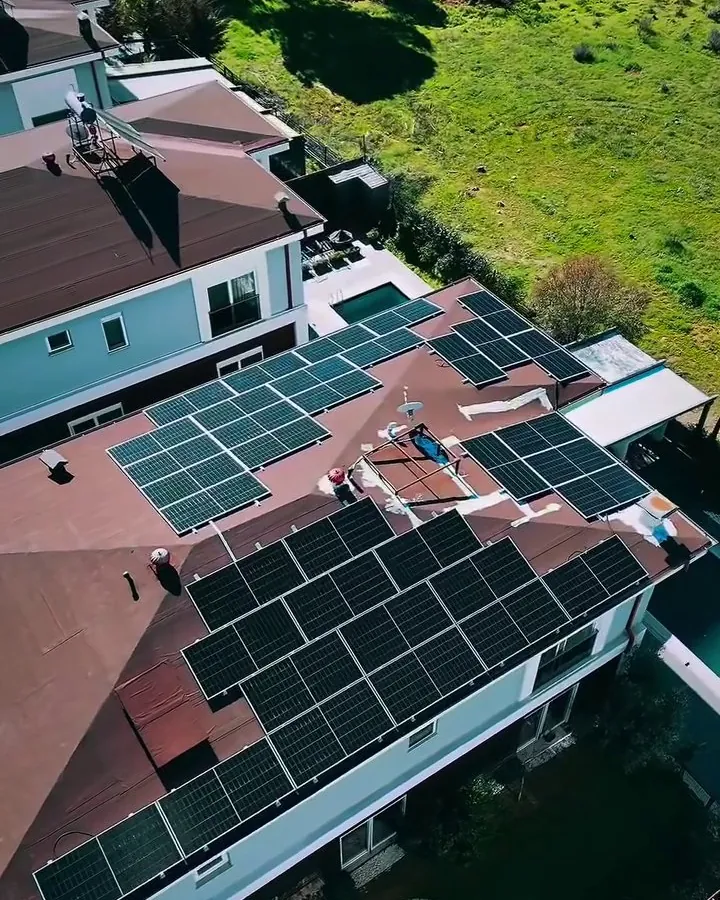
Putting a thermosiphon and panels on the same roof is common practice, but done without a plan, the two systems can drag down each other's performance. The main points to watch are:
- Shading: the thermosiphon tank can cast shadows on nearby panels in the morning and evening. Because partial shading of even a single panel can affect the output of its whole string, the tank should be placed north of the panels or at an edge where it casts no shadow. We cover this in detail in our article on how shading affects solar panels.
- Structural load: the weight of the full tank plus the panels and mounting system must be assessed together. On older buildings, no extra load should be added before the roof structure and insulation have been checked; details are in our guide to roof structure and insulation.
- Separate routes: water pipes and solar DC cables must run along separate routes. Keeping any potential water leak away from cable connections is a basic safety rule.
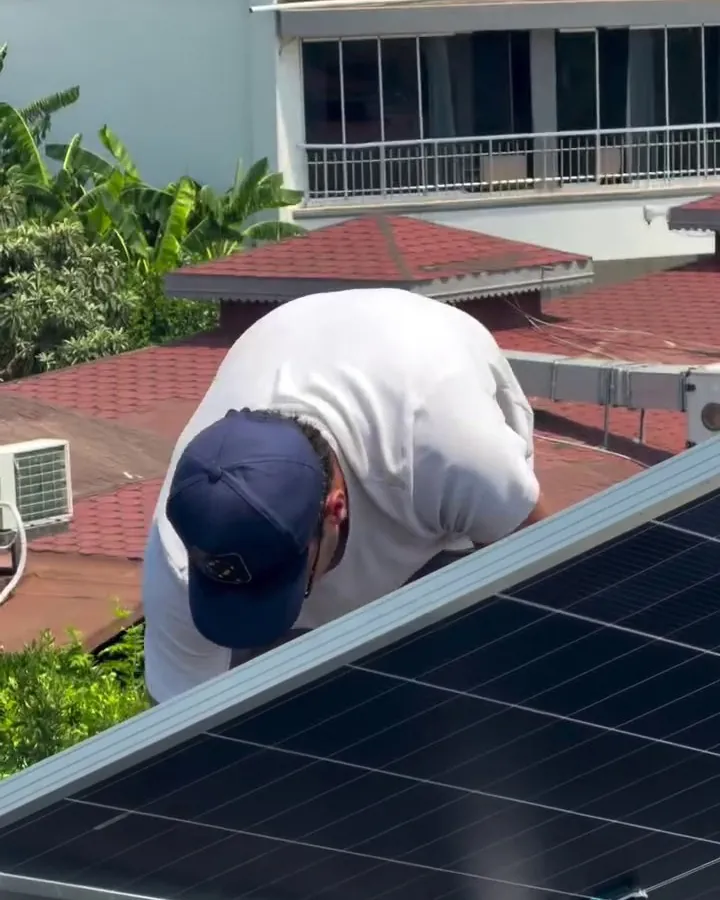
- Maintenance corridor: leave a gap where people can walk safely on the roof, both for descaling the collector and for cleaning the panels.
- Tilt and orientation: according to PVGIS, the optimum panel tilt for central Antalya is 33°. The angle of the thermosiphon's own stand should not dictate the panels; each system should be set on its own mounting structure.
During Solar Nexo site surveys, the position of the existing thermosiphon, its shading effect and the roof's load capacity are assessed together. Sometimes moving the thermosiphon a few metres is enough to fit the panel layout without breaking it up.
Hot water from a heat pump: a third option
There is another alternative to the collector for hot water: the heat pump water heater. A heat pump works on the reverse principle of a fridge, taking heat from the surrounding air and transferring it to the water. It runs on electricity, but because it can move more heat energy into the water than the electrical energy it draws, it is more efficient than resistance heating.
Pair a heat pump with solar panels and an interesting picture emerges: the panels generate electricity during the day, and the heat pump uses it to heat and store water. Your hot water then comes indirectly from the sun, and there is no longer any need to carry a full tank on the roof. This is worth considering in buildings where the management does not allow thermosiphons on the roof, or in villas where appearance matters.
The Solar Nexo product catalogue includes TommaTech Power series heat pumps. You can find the design details of combining a heat pump with panels in our article on heat pumps and solar panels, and browse the options on our products page.
The critical point here is sizing. If you add a heat pump, its annual consumption has to be included when calculating panel capacity; otherwise your system for Antalya solar energy will look sufficient on paper but fall short once the new load is added.
Questions to ask yourself before choosing an Antalya solar energy system
- Where does most of your bill come from? Lay your last 12 months of electricity bills side by side. A clear jump in the summer months means air conditioning dominates, and panels come out ahead.
- How do you heat water today? If you use an electric boiler or immersion heater, that consumption is already inside your electricity bill and can be reduced with panels, a heat pump or a collector.
- How many people live in the home? Hot water demand rises noticeably in larger households; tank volume and heating capacity should be chosen accordingly.
- How much roof space do you have, and which way does it face? When unshaded, south-facing space is limited, priority should go to the item with the larger share of your total energy spending.
- How old is your current thermosiphon? If a scaled-up system near the end of its life is due for replacement, that is the right moment to consider a heat pump.
- Are you planning a grid connection with net metering? To export surplus panel power to the grid, an application goes through Akdeniz EDAŞ (AEDAŞ, the local distribution company); for net-metered systems this official process can take 8–12 months on average. For details, see our article what is a net-metered system.
Once these questions are answered, the solar panels vs solar water heater dilemma often resolves itself. In many homes the result is not "one or the other" but a combination designed around actual needs. A good solar installer will walk you through these questions rather than push a single product.
Conclusion
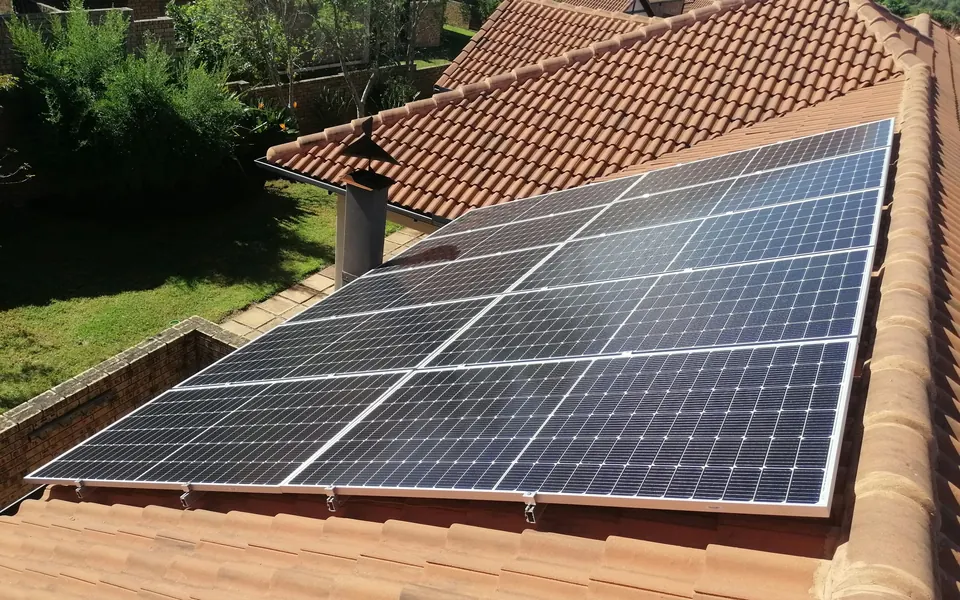
Solar panels produce electricity, solar collectors produce hot water, and the potential for solar energy in Antalya suits both. If your thermosiphon is sound and hot water is your only concern, keeping it makes sense. If your electricity bill is high, choose panels; if roof space is limited or the thermosiphon is due for replacement, combining panels with a heat pump can be a smart Antalya solar energy setup.
When comparing Antalya solar companies, look for one that assesses both your electricity and your hot water needs. Don't leave the choice to guesswork: the Solar Nexo team offers a free site survey in Antalya and the surrounding area to assess your roof, your consumption and your existing thermosiphon on site. To book a survey, call +90 540 007 63 96 or reach us through our contact page. As a solar company in Antalya, we will tell you honestly if your existing thermosiphon is still the right tool for your hot water.
Frequently asked questions
What is the difference between a solar panel and a solar collector?
A solar panel produces electricity; a solar collector produces hot water. The panel uses photovoltaic cells to turn light into direct current, and an inverter converts it into the alternating current your appliances use. A collector uses solar radiation to heat the water or antifreeze fluid inside it and stores that heat in a tank. So the panel reduces your electricity bill, while the collector reduces the energy spent heating water. Which one suits you in Antalya depends on where your consumption is concentrated.
Should I remove my thermosiphon in Antalya and install solar panels instead?
If your thermosiphon works well, you do not need to remove it just to install panels. The first step is to check whether the roof has enough unshaded space for both systems. If it does, the thermosiphon stays where it is or is moved to a spot where it cannot shade the panels. If space is tight and the thermosiphon is old and scaled, removing it and handing hot water over to a heat pump running on panel electricity lets you use the roof more efficiently. An on-site survey is recommended before deciding.
Can solar panels and a thermosiphon be used on the same roof?
Yes, they can. There are three key points: the thermosiphon tank must not shade the panels, the roof structure must be able to carry the combined weight of the full tank and the panels safely, and water pipes and solar cables must follow separate routes. A safe walking area should also be left on the roof for servicing both systems. These details are measured during the site survey and the panel layout is drawn accordingly.
Can a heat pump replace a solar collector?
For hot water production, yes. A heat pump water heater transfers heat from the surrounding air into the water, and because it can deliver more heat energy than the electrical energy it draws, it is more efficient than resistance heating. When combined with solar panels, part of the electricity it needs comes from the roof. It is a good alternative for people who do not want a tank on the roof or cannot spare space for a collector; panel capacity should then be sized to include the heat pump's consumption.
Can solar panels cover hot water needs in winter?
Solar panels do not heat water directly; the electricity they produce runs an electric heater or a heat pump, which supplies hot water indirectly. According to PVGIS 5.3 data, a 1 kWp system in central Antalya has a theoretical output of 99 kWh in December and 168 kWh in July, so winter production falls compared with summer but never drops to zero. If you want the sun to cover all of your winter hot water, panel capacity should be planned with the winter months in mind.
Do solar panels or solar collectors require an application?
Grid-connected solar panel systems, especially if you want to export surplus electricity under net metering, require an application to Akdeniz EDAŞ, and this official process can take 8-12 months on average. Off-grid systems and solar collectors need no grid application. The building or site management's rules on roof use should be checked separately for both systems; we clarify the details during the survey according to the current regulations as of October 2026.
Sources
Want a clear calculation for your roof?
The Solar Nexo team carries out a free site survey at your address in Antalya and designs the system that suits your roof, consumption and budget.