
Short answer
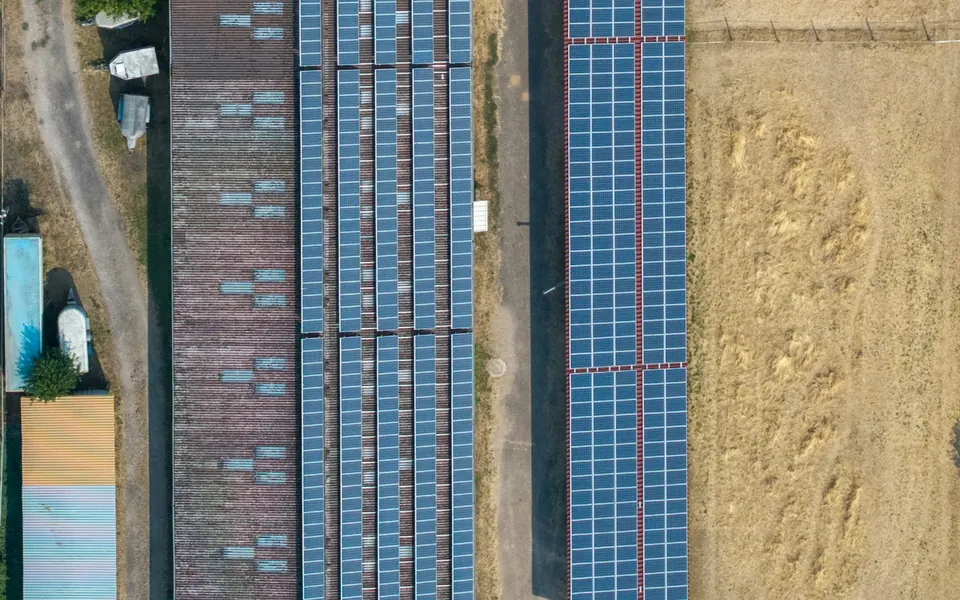
Agrivoltaic solar panels in Antalya aim to generate electricity on farmland while crops continue to grow on the same plot. The panels are raised high enough for machinery to pass underneath or set vertically between crop rows. Feasibility depends on the crop, the irrigation setup and the land's legal status; because using agricultural land is subject to permits, check the current regulations first.
Key takeaways
- Agrivoltaics means using the same land for both farming and solar energy; the aim is not to take land out of agriculture but to share it between two kinds of production.
- Elevated structures, vertical rows between crops and greenhouse roofs are the three most common layouts; each gives a different shading and output profile.
- According to PVGIS 5.3, 1 kWp theoretically produces 1,719 kWh a year in Elmalı and 1,655 kWh in Korkuteli; agrivoltaic layouts deviate from optimum tilt and must be modelled separately.
- Solar power can run an irrigation pump during the day and fill a storage tank, linking energy directly to farm use.
- Installing on farmland requires permits; as of October 2026, confirm the current regulations and the views of the relevant authorities before the project starts.
Antalya's fertile plains and highland plateaus offer two valuable resources at once: good farmland and strong sunshine. The approach that uses both on the same land, rather than treating them as rivals, is called agrivoltaics. With agrivoltaic solar panels in Antalya, the panels are positioned so that they do not block the farming activity below; the land yields both crops and electricity.
This article focuses on a different question from solar systems built purely for irrigation: how is the land itself shared? We walk step by step through panel layouts, crop selection, irrigation and greenhouse integration, and what to watch for in the permit process. The goal is to show growers who want to combine solar energy in Antalya with farming on the same parcel which questions to ask before deciding.
Agrivoltaics vs a Conventional Solar Farm: What Changes?
Agrivoltaics is the combined use of the same land, in the same period, for both agriculture and solar power generation. On a conventional ground-mounted solar farm, panels sit close to the ground in dense rows and the land's agricultural use effectively ends. With an agrivoltaic layout, the panels are either raised or placed with wide gaps between rows, so tractors can pass and sowing and harvesting continue.
This difference also changes the design priority. A ground-mounted plant aims to maximise the energy harvested per unit of area. Agrivoltaics aims to keep agricultural yield at an acceptable level while still achieving meaningful energy output. We explain the basic differences between rooftop and ground-mounted plants in our article on rooftop vs ground-mounted solar plants.
The solar resource makes Antalya well suited to this approach. According to PVGIS 5.3, the European Commission JRC solar calculator, 1 kWp of capacity theoretically produces 1,719 kWh a year in Elmalı, 1,655 kWh in Korkuteli and 1,649 kWh in Manavgat. These values are calculated for optimum tilt and south orientation; with agrivoltaic layouts, real output varies with the arrangement chosen.
Agrivoltaic Solar Panels in Antalya: Elevated, Vertical and Greenhouse Roof Layouts
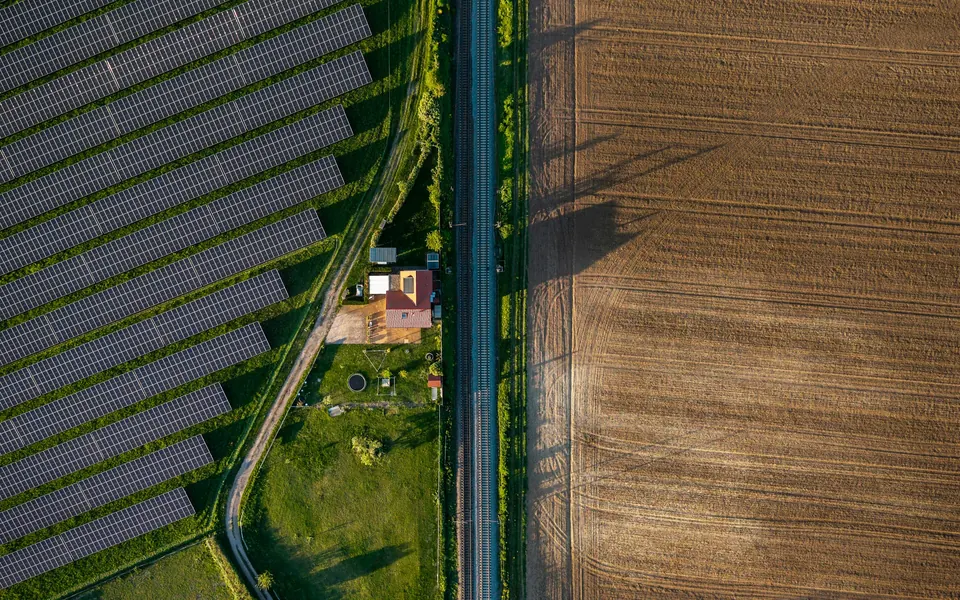
Three layouts are considered most often in the field. Which one fits depends on the crop, the farm machinery used, wind conditions and the slope of the land.
Elevated structure
The panels are mounted on supports high enough for people and machines to pass underneath. The area below receives partial shade. This layout is considered for shade-tolerant crops or for cultures that benefit from protection against direct summer sun. The higher the structure, the greater the wind load, so the foundation and support calculations must be done with more care than for an ordinary ground mount.
Vertical rows between crops
The panels are installed upright, usually facing east-west, like a fence between crop rows. Wide strips remain between the rows for machinery to work. Bifacial (double-sided) panels are a common choice for this layout, because both surfaces receive light. For details, see our article on bifacial double-sided panels. With a vertical layout, output shifts towards the morning and evening; the midday peak is lower than with a south-tilted array.
Greenhouse roof
Greenhouses are one of the most natural applications of the agrivoltaic idea in Antalya. Panels on part of the greenhouse roof partly reduce the light entering the interior, and the energy produced is used for greenhouse loads such as fans, irrigation or lighting. How much of the roof is covered with panels should be decided by the light requirement of the crop being grown. We cover this topic in detail in our article on greenhouse solar energy systems.
Comparing the Layouts
The table below compares the three layouts qualitatively from a farming and energy perspective. For any solar project, a reputable solar company in Antalya should model the numerical result separately for each plot; the same Antalya solar panel can deliver a very different output profile in two different layouts.
| Criterion | Elevated structure | Vertical rows | Greenhouse roof |
|---|---|---|---|
| Machinery access | Under the panels | Between the rows | Depends on greenhouse layout |
| Shade profile | Partial shade moving through the day | Narrow shade strip along the row | Depends on roof coverage ratio |
| Production hours | Mainly midday | Mainly morning and evening | Depends on roof pitch |
| Structure and wind | Tall supports, careful foundation design | Surface facing the wind, solid anchoring | Load capacity of the greenhouse frame |
| Suitable panel type | Standard or semi-transparent | Bifacial (double-sided) | Lightweight, suited to the greenhouse structure |
Crop Selection: Shade-Tolerant Cultures and Panel Technology
Half of agrivoltaic success comes down to choosing the right crop. Some plants can maintain their yield in partial shade, while others need full sun. Leafy vegetables and some fodder crops are among the groups most often studied for shade tolerance, but the same crop can respond differently across Antalya's different climate zones. That is why the crop decision should be made with an agricultural engineer and, where possible, on a small trial plot.
On the panel side, shade-tolerant technologies matter. A half-cut cell design limits how much the whole panel's output drops under partial shade. N-Type TOPCon cells stand out for lower efficiency losses at high temperatures. The Solar Nexo product range includes TommaTech TOPCon N-Type, Diamond Plus and Platin Plus panels as well as CW Enerji TOPCon N-Type panels. We explain the electrical effect of shading in our article on how shading affects solar panels.
Another issue specific to farmland when choosing solar panels in Antalya is soiling. Dust from tillage, spraying and harvesting settles on the panel surface. Panel height and access for cleaning should be planned at the design stage.
Agricultural Solar Energy in Antalya: Linking Pumps and Water Tanks
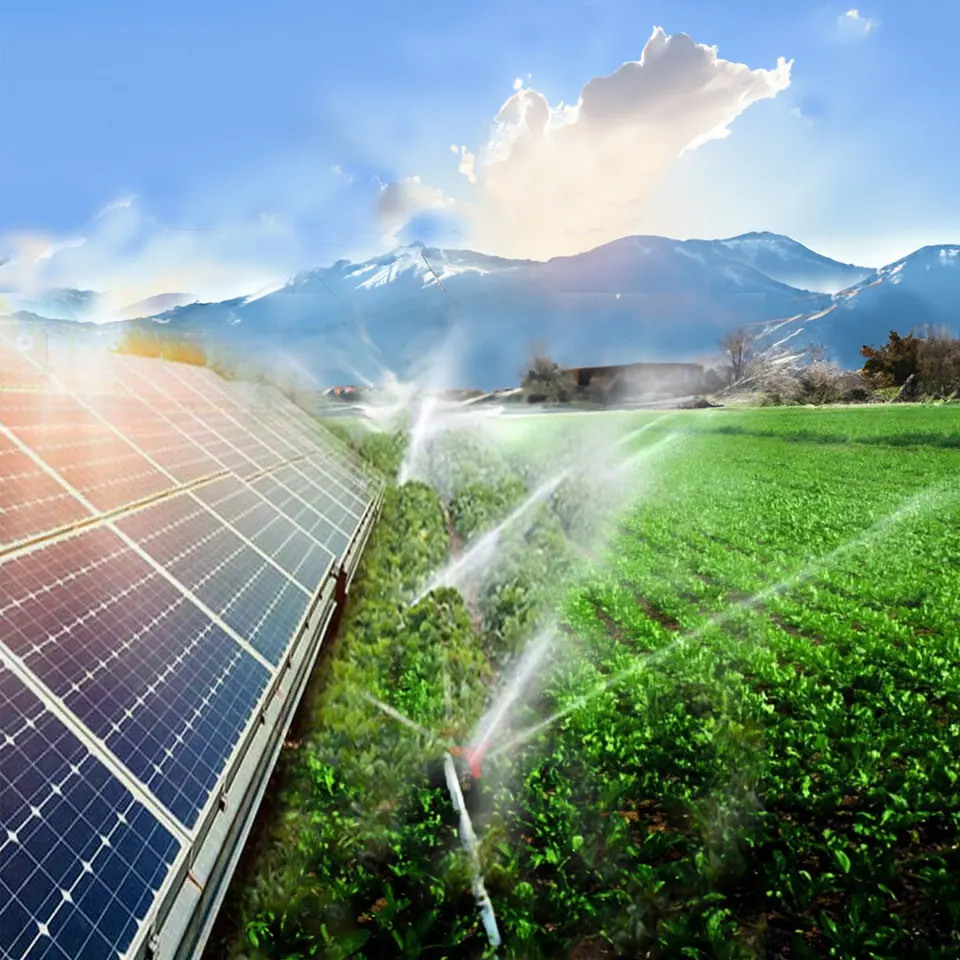
The most natural user of the energy produced on agrivoltaic land is the irrigation system on the same plot. When the sun is strong, the pump runs and lifts water to an elevated tank. When irrigation is needed in the evening or at night, the water is distributed from the tank by gravity. With this setup, the tank effectively takes the place of a battery: energy is stored as water.
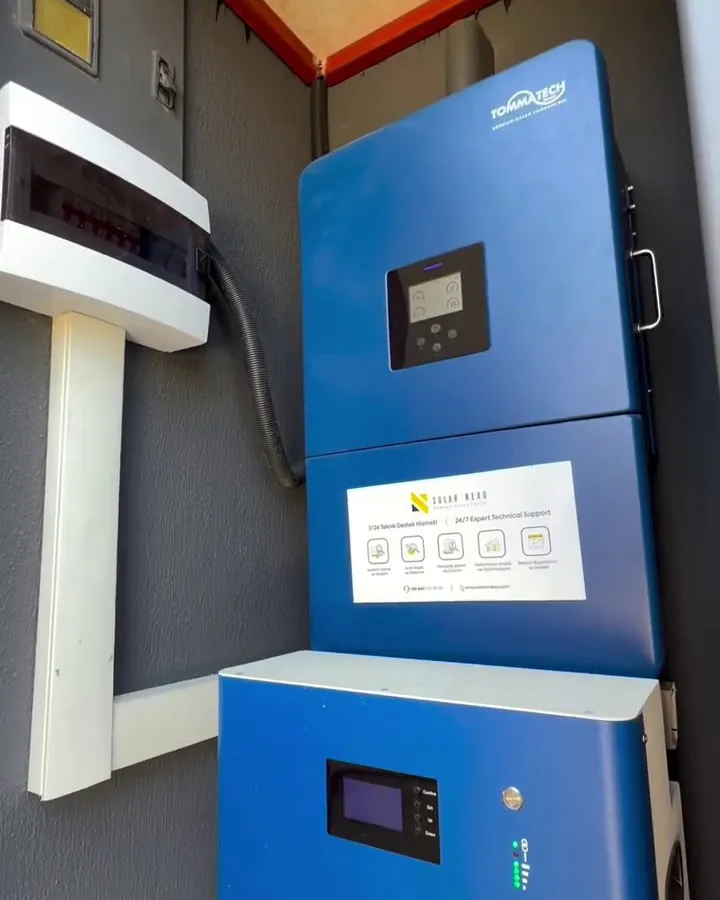
Solar pump inverters are used for this integration; they convert the direct current from the panels into the form the pump needs and adjust the pump speed as irradiance changes. Solar Nexo builds such systems with TommaTech irrigation inverters and agricultural irrigation packages. Details of irrigation-specific systems are in our article on solar-powered agricultural irrigation systems.
Agrivoltaics should not be confused with a solar irrigation plant. With a solar irrigation plant, the panels are usually installed in one corner of the land and their only purpose is to power the pump. With agrivoltaics, the panels sit within and above the cultivated area; the real issue is sharing that area. The two approaches can be combined in the same project.
Solar Panels on Farmland in Antalya: Permits and Regulatory Framework
For projects putting solar panels on farmland in Antalya, the legal position must be clarified before the technical design. Using agricultural land for non-agricultural purposes is subject to permits, and the land's class, size and location are decisive in that assessment. The fact that an agrivoltaic approach keeps the land in agricultural use does not automatically mean an exemption in how it will be assessed.
As of October 2026, we recommend the following steps to proceed in line with the current regulations:
- Find out the land's title deed and zoning status and its agricultural land class.
- Obtain the current opinion on land use from the Provincial Directorate of Agriculture and Forestry.
- When a grid connection and export of energy to the grid are planned, discuss the connection conditions with Akdeniz EDAŞ (AEDAŞ, the local distribution company); tariffs and market rules are set by EPDK, Turkey's energy market regulator.
- When you are planning an off-grid system that only supplies your own consumption (for example, the irrigation pump), confirm separately which permits that also requires.
We do not give a definitive legal ruling here, because practice varies from plot to plot and regulations can change. For any solar project on farmland, clarifying the permit process at the outset is the most reliable way to remove the risk of the investment being halted later. A responsible solar installer will insist on this before drawing up any panel layout.
How to Estimate Output for an Agrivoltaic Solar Project in Antalya
For agrivoltaic layouts, the optimum-tilt values from PVGIS should be treated as an upper reference. For example, in Elmalı the theoretical annual output of 10 kWp at optimum tilt and facing south is 10 × 1,719 = 17,190 kWh. For the same capacity in Korkuteli, the calculation gives 10 × 1,655 = 16,550 kWh.
When panels are installed vertically, or when the tilt of an elevated structure is reduced to suit the crop's light requirement, output deviates from these values. That is why, in an agrivoltaic project, panel angle, row spacing and orientation must be modelled separately with tools such as PVGIS, and the result assessed together with the expected agricultural yield. For farm projects in the inland districts, our page on solar irrigation plants in Korkuteli and Elmalı may also help.
The final decision on agrivoltaic solar panels in Antalya is a balance in which energy and farming goals are weighed together. More panels mean more electricity, but more shade can mean yield losses for some crops.
What Gets Checked During the Site Survey?
When the Solar Nexo team visits a site for an agrivoltaic project, as any careful solar installer should, it collects the following information: the slope and orientation of the land, the crops grown or planned, the width and height of the machinery used, the existing water source and its flow rate, the distance to the grid connection point and local wind conditions. This data determines which layout is feasible and how the structure should be sized.
When farmland is involved, there is no need to rush an Antalya solar energy investment. First the permit status, then the crop plan, and only then the panel layout should be settled. This order keeps an Antalya solar panel installation from clashing with farming activity. Conditions for solar energy in Antalya will still be there once the groundwork is done.
Conclusion
Agrivoltaics is an attractive option for growers in Antalya who want to make use of the soil and the sun at the same time. Whether an elevated, vertical or greenhouse roof layout fits depends on the crop, the machinery and the land, and the permit process comes before everything else. Request a free site survey to assess your idea for agrivoltaic solar panels in Antalya together, on your own land.
Frequently asked questions
What is an agrivoltaic system?
An agrivoltaic system is a layout that generates electricity with solar panels while agricultural production continues on the same land. The panels are raised high enough for machinery to pass underneath or set vertically between crop rows. The land is not taken out of farming; crops and energy are produced on the same area. Feasibility depends on the crop, the land and the permit status.
Do you need a permit to install solar panels on agricultural land?
Yes. Using agricultural land for non-agricultural purposes is subject to permits, and the assessment depends on the land's class, size and location. To act in line with the current regulations as of October 2026, we recommend obtaining an opinion from the Provincial Directorate of Agriculture and Forestry and, if you plan a grid connection, confirming connection conditions with Akdeniz EDAŞ (AEDAŞ). The project should be designed after these steps.
Which crops can be grown under solar panels?
Crops that tolerate partial shade suit agrivoltaics better; leafy vegetables and some fodder crops are among the groups most often studied in this respect. However, the same crop can respond differently in Antalya's coastal and highland zones. For a firm decision, we recommend getting an agricultural engineer's opinion and, where possible, starting with a small trial plot.
Is output lower with an agrivoltaic layout than with a conventional solar farm?
Output per unit of area is usually lower, because the panels are spaced more widely to leave room for farming or are tilted away from the optimum angle. With vertical rows, for example, production shifts to the morning and evening. PVGIS values, such as 1,719 kWh/kWp in Elmalı, are an upper reference for optimum tilt; an agrivoltaic layout must be modelled separately.
What is the difference between agrivoltaics and a solar irrigation plant?
With a solar irrigation plant, the panels are usually installed in one corner of the land and the main purpose is to power the irrigation pump. With agrivoltaics, the panels are within or above the cultivated area and the core issue is sharing the land. The two approaches can be combined; for instance, energy from agrivoltaic panels can run the pump during the day and fill a storage tank.
Can solar panels be installed on a greenhouse?
Yes, but whether the greenhouse frame can carry the extra load and how much light the crop needs must be assessed first. Covering only part of the roof with panels lets enough light into the interior. The energy produced can be used for greenhouse loads such as fans, irrigation or lighting. The coverage ratio should be set together with agricultural and electrical engineers based on the crop grown.
Sources
Want a clear calculation for your roof?
The Solar Nexo team carries out a free site survey at your address in Antalya and designs the system that suits your roof, consumption and budget.