
Short answer
Antalya solar installation time consists of two separate timelines: the installation on site and the official grid connection process. After the free site survey, Solar Nexo's contractual delivery time covering design, supply, mounting and commissioning is 14 working days. For net metering systems, the application to the distribution company and the approval process can take a further 8–12 months on average, separately from the installation.
Key takeaways
- The installation period and the official process for a net metering application are different timelines and should be assessed separately.
- At Solar Nexo, contractual installation delivery is 14 working days.
- The net metering application and approval process can take 8–12 months on average, separately from the installation.
- Roof repairs, missing documents, a pending decision by the apartment owners and late changes can extend the timeline.
- Preparing bills, the title deed, the management decision and access arrangements early makes the process predictable.
Antalya solar installation time should be thought of as the sum of two separate timelines: the installation work on site and the official process for connecting to the grid. A solar power plant (GES) is built by going through the stages of site survey, design, material supply, mounting and commissioning. At Solar Nexo, the contractual delivery time is 14 working days. For net metering systems (mahsuplaşma, where the energy you export is offset against the energy you draw from the grid), however, the application to the distribution company and the approval process can take 8–12 months on average, separately from the installation. These two periods are often confused; in this article we make the difference clear.
Below we explain which stages an Antalya solar energy project goes through, which factors can extend the timeline for homes, businesses and ground-mounted plants, and what you can prepare on your side to speed things up.
What determines Antalya solar installation time?
The main factor that determines installation time is not so much the size of the project as the level of preparation. A project with a suitable roof, documents ready and equipment decided and a project that needs roof repairs and whose decisions keep dragging on will proceed on very different timelines, even if their installed capacity is the same.
The main factors affecting the timeline are:
- System type: on-grid, hybrid, off-grid or net metering.
- Installation location: tiled, concrete or trapezoidal sheet roof, carport or open land.
- Site access: whether scaffolding, a crane or special transport is needed.
- Whether the equipment has been finalized and its supply status.
- Whether the required documents and permits are ready.
- Weather: rain and strong wind affect safe work on the roof.
Installation stages: from site survey to commissioning
A solar plant installation consists of consecutive stages, each of which depends on the previous one being completed correctly. For a detailed step-by-step description, you can also see our article on solar panel installation in Antalya step by step.
1. Site survey and measurement
An expert team inspects the site in person: the orientation and pitch of the roof, shading, load-bearing capacity, the location of the electrical board and the cable route are determined. A consumption analysis is carried out based on your bills. At Solar Nexo, the site survey is free of charge. The time you need to review the quotation and system proposal prepared after the survey and to make a decision is entirely up to you; comparing different offers and talking things over with family or partners is a natural part of this stage. The installation timeline starts running once the contract is signed.
2. Design and equipment selection
Based on the survey data, the panel layout, string design, inverter and, if applicable, battery capacity are determined. The equipment list is finalized down to brand, model and quantity and attached to the contract.
3. Material supply
Panels, inverter, mounting system, cables and protection equipment are delivered to the site. Sourcing original, invoiced products through an authorized dealer also matters for warranty processes.
4. Mounting
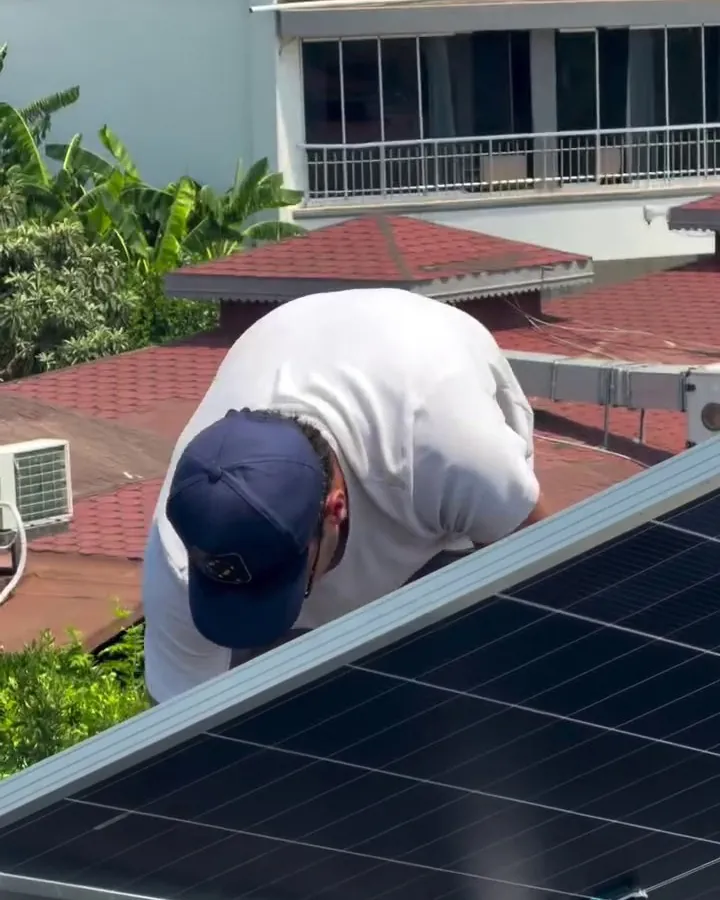
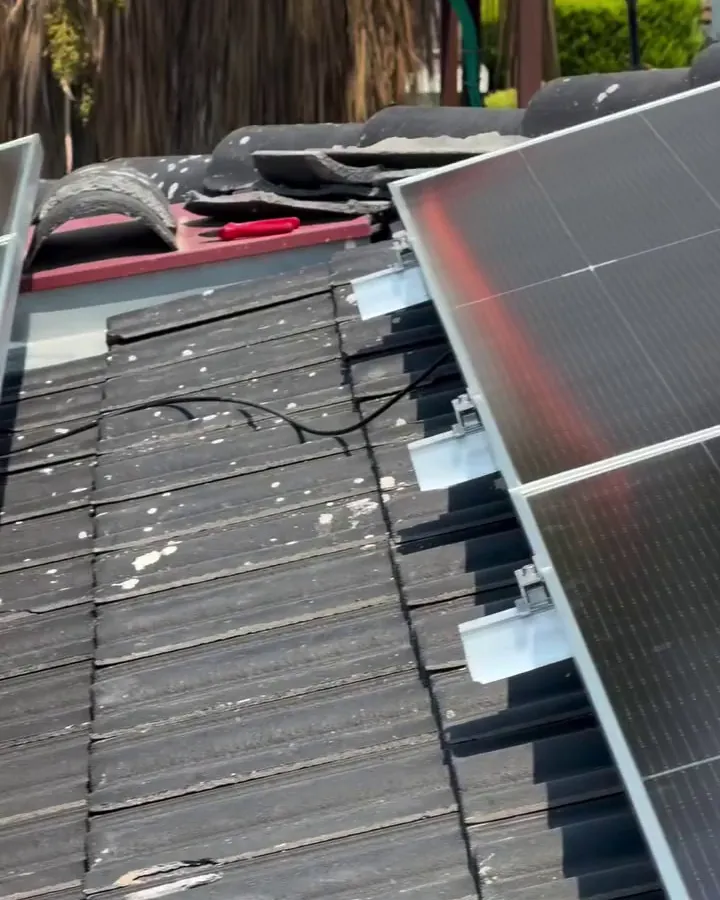
The mounting system is fixed to the roof or structure and the panels are put in place. Every point where the roof is drilled is sealed, and cables are routed along protected paths.
In Antalya, installation can be carried out all year round, but the season affects how work is organized on site. In the summer months the roof surface gets very hot, so heavy work is scheduled for the morning and late afternoon wherever possible. In winter, on rainy days and days with strong wind, mounting is paused because working on a wet, slippery roof is not safe. When the contract states how such weather-related breaks will be treated, they do not become a point of dispute between the parties.
5. Electrical connections and commissioning
DC and AC connections, protection devices, earthing and the monitoring device are completed. The system is tested and commissioned, and the customer is given access to the monitoring app and basic operating information.
The difference between installation time and the official process for an Antalya solar power plant
A misunderstanding we come across often is the question: "The system has been installed, so why hasn't net metering started yet?" The answer is that installation and the official connection process run on different timelines.
The installation process covers the work under the contractor's control and is defined by the contract. At Solar Nexo, this period is contractually 14 working days.
The official process, for net metering systems, includes the application to the distribution company and the assessment, approval and acceptance steps. In Antalya, this process is handled with Akdeniz EDAŞ (the local electricity distribution company) and can take 8–12 months on average. This period is set not by the contractor but by the volume of applications, the connection conditions and the authorities' assessment schedule.
Which application and approval steps are required for the different types of grid-connected system is determined by the current regulations as of November 2026. Off-grid systems, by contrast, are not connected to the grid and therefore involve no net metering application. While the official process is under way, the most useful thing you can do is to follow the status of your application regularly and respond promptly to any requests for additional documents from the authority. A missing or incorrect document can cause the assessment to start over. Carefully checking title deed, subscription and identity details before applying is therefore a practical way to avoid losing time in Antalya solar energy projects. Our article on how to apply for a rooftop solar plant will guide you through the application steps.
Timeline table for Antalya solar energy projects
The table below summarizes the stages and the time information. We give durations only for the two verified figures; the other stages are described as stages because they vary from project to project.
| Stage | What happens? | Time information |
|---|---|---|
| Site survey and quotation | Site inspection, consumption analysis, preliminary design | Before the contract; scheduled at your request |
| Design and equipment | Layout, string design, equipment list | Within the contractual delivery period |
| Material supply | Delivery of the equipment to the site | Within the contractual delivery period |
| Mounting | Structure, panel placement, sealing | Within the contractual delivery period |
| Commissioning | Electrical connections, testing, monitoring setup | Within the contractual delivery period |
| Total installation (Solar Nexo) | Delivery of the work covered by the contract | 14 working days |
| Net metering application and official process | Distribution company application, approval, acceptance | 8–12 months on average (separate from installation) |
Factors that extend the timeline for homes, businesses and ground-mounted plants
Each scale has its own preparation needs. Most of the situations that extend the timeline can be avoided if they are spotted before installation begins.
Homes and villas
- A need for roof repairs or insulation coming to light during installation.
- In apartment buildings, the owners' decision not yet having been taken; we covered this in our article on the apartment owners' decision for a solar plant.
- Late change requests, such as adding a battery or changing the number of panels.
Business and factory roofs
- The need for a structural assessment of the roof's load-bearing capacity.
- Scheduling the work around shifts or weekends so that production does not stop.
- Reassessing the connection capacity and the capacity of the distribution board.
Ground-mounted projects
- The zoning status of the land, ground conditions and the access road.
- The distance to the connection point and whether a transformer is needed.
- Obtaining the necessary permits and opinions from the authorities.
For ground-mounted plants, the planning stage is more extensive than for rooftop projects; for details, see our article on ground-mounted solar plant installation in Antalya.
What happens after installation is complete?
With commissioning, the work on site is finished, but your relationship with the system is only just beginning. At handover you receive the single-line diagram, the equipment list, serial numbers and the manufacturer warranty documents, and access to the monitoring app is set up. Following the generation data during the first weeks is the easiest way to see that the system is working as expected. If you notice an unexpected drop or a warning, simply pass it on to the technical support team. For net metering systems, the official acceptance and connection steps continue from this point on their own timeline.
What you can do on your side to speed up the process
The most practical way to shorten Antalya solar installation time is to complete the preparations on your side early. The list below contains the main information and documents we recommend having ready before the site survey:
- Electricity bills for the last 12 months and your subscription details.
- The title deed or a document showing your right of use; if you are a tenant, the owner's consent.
- For an apartment building or residential complex, the decision of the management or the owners.
- Safe access to the roof and the electrical board.
- Clarifying preferences such as a battery, vehicle charging or adding panels later from the outset.
We listed in detail which documents are required for which system in our article on documents required for a solar plant installation.
A planned installation in Antalya with Solar Nexo
From its office in Kepez, Solar Nexo installs on-grid, off-grid, hybrid and net metering systems across all districts of Antalya. In a process that starts with a free site survey, our contractual delivery time is 14 working days. As an authorized dealer of TommaTech and CW Enerji, we use original, invoiced products and hand over the manufacturer warranty documents at delivery. For net metering applications, we tell you from the start that the official process can take 8–12 months on average, and we help prepare the application file. After installation, we provide 24/7 technical support. For the general framework, see the Antalya solar power plant guide.
Conclusion
When asking about Antalya solar installation time, two separate answers need to be considered together: the installation on site and the official connection process. At Solar Nexo, contractual installation delivery is 14 working days; for net metering systems, the application and approval process can take 8–12 months on average, separately from the installation. Whether the survey, design, supply, mounting and commissioning stages run smoothly depends largely on preparation. If you prepare your documents early and settle your decisions from the outset, the timeline becomes predictable. To start planning, you can request a free site survey from the Solar Nexo team.
Frequently asked questions
How long does it take to install a solar plant in Antalya?
At Solar Nexo, the contractual installation delivery time is 14 working days. This period covers the work within the scope of the contract after the site survey, such as design, material supply, mounting and commissioning. For net metering systems, the application to the distribution company and the approval process run separately from the installation and can take 8–12 months on average. Assessing the two periods separately gives a realistic expectation.
Why doesn't net metering start as soon as the system is installed?
Net metering starts not when the installation is finished but when the distribution company's application, assessment, approval and acceptance steps are complete. In Antalya, this process is handled with Akdeniz EDAŞ and can take 8–12 months on average. This timeline is set not by the contractor but by the volume of applications, connection conditions and the authority's assessment. The installation is completed on a separate, shorter timeline.
Is there an 8–12 month process for off-grid systems too?
No, off-grid systems are not connected to the grid and therefore involve no net metering application. In off-grid projects, the main factor determining the timeline is the installation process; at Solar Nexo, the contractual delivery time is 14 working days. Even so, assessing factors such as site access, equipment selection and weather during the preparation stage helps the installation proceed as planned.
What extends installation time the most?
Installation time is usually extended by gaps in preparation. Typical examples are a need for roof repairs or insulation noticed too late, missing documents, a decision by the apartment owners that has not been taken, late change requests and weather that prevents safe work on the roof. In ground-mounted projects, zoning, ground conditions, access and connection point issues can lengthen planning.
Which documents should I prepare before installation?
Before installation, it is advisable to prepare your electricity bills for the last 12 months, your subscription details and the title deed or a document showing your right of use. If you are a tenant, the owner's consent is required; if you live in an apartment building or residential complex, a decision by the management or the owners is needed. Which documents are required for which system can vary with the system type and current regulations.
Will the power be cut during installation?
Most of the installation does not require a power cut; the building's electricity remains in use while the panels and structure are being installed on the roof. However, a short, planned interruption may be needed for safety when the system is connected to the electrical board. This step is planned with you in advance and, for businesses, can be scheduled around shifts or weekends so that production is not affected.
Is the site survey free, and when does it take place?
At Solar Nexo, the site survey is free of charge and scheduled at your request. During the survey, an expert team examines the roof's orientation, pitch, shading, load-bearing capacity, the location of the electrical board and the cable route, and carries out a consumption analysis based on your bills. After the survey, the equipment list and system design are finalized, and then the contract and installation timeline are drawn up.
Sources
Want a clear calculation for your roof?
The Solar Nexo team carries out a free site survey at your address in Antalya and designs the system that suits your roof, consumption and budget.