
Short answer
An Antalya solar plant earthing system connects module frames, the mounting structure, inverters and switchboards to a common earth reference, protecting people from touch voltage and equipment from overvoltage. Effective safety combines equipotential bonding, DC and AC surge protection, insulation monitoring, residual current protection and tidy cable management. Earth resistance, continuity and insulation tests should be done at commissioning and repeated periodically.
Key takeaways
- Earthing is a fundamental layer of electrical safety that is separate from, and comes before, lightning protection.
- Module frames, rails and the metal structure should be bonded to each other and to the main earthing bar.
- Surge protective devices only work effectively with a low-impedance earthing system whose continuity has been measured.
- Many grid-tied inverters monitor the insulation resistance of the DC side; a recurring insulation fault must always be investigated.
- Earth resistance, continuity and insulation measurements should be reported, and acceptance values assessed against current legislation and the design.
A solar power plant (GES) is an electrical installation that generates high DC voltage all day long, with a metal structure standing in the open and exposed to sun, humidity and wind for years. An Antalya solar plant earthing system (also called grounding) is the invisible infrastructure that keeps this installation safe for people and equipment. Without sound earthing, surge protective devices cannot do their job properly, insulation faults can turn into dangerous touch voltages, and inverters may trip repeatedly and stop generating. In this article we look at earthing and electrical safety measurements in plants harnessing solar energy in Antalya. Since we cover lightning, hail and storm protection in a separate article, the focus here is on earthing itself and on measurements.
Why is Antalya solar plant earthing vital?
Earthing has three basic functions. The first is personal safety: when a cable's insulation fails, voltage can appear on a module frame or rail; earthing carries this voltage safely to ground and protects anyone who touches it. The second is equipment protection: during overvoltage events, surge protective devices need a low-resistance path to discharge the energy. The third is operational continuity: inverters detect faults through earth-related measurements, and faulty earthing can lead to false alarms or faults that go unnoticed.
Conditions in Antalya make this topic even more important. In coastal districts, humidity and salty air accelerate corrosion at connection points; inland, soil that dries out in summer can cause earth resistance to vary with the seasons. Earthing is therefore not a job to be done once at installation and forgotten, but a system that must be followed up with measurements.
Basic concepts: protective earthing and equipotential bonding
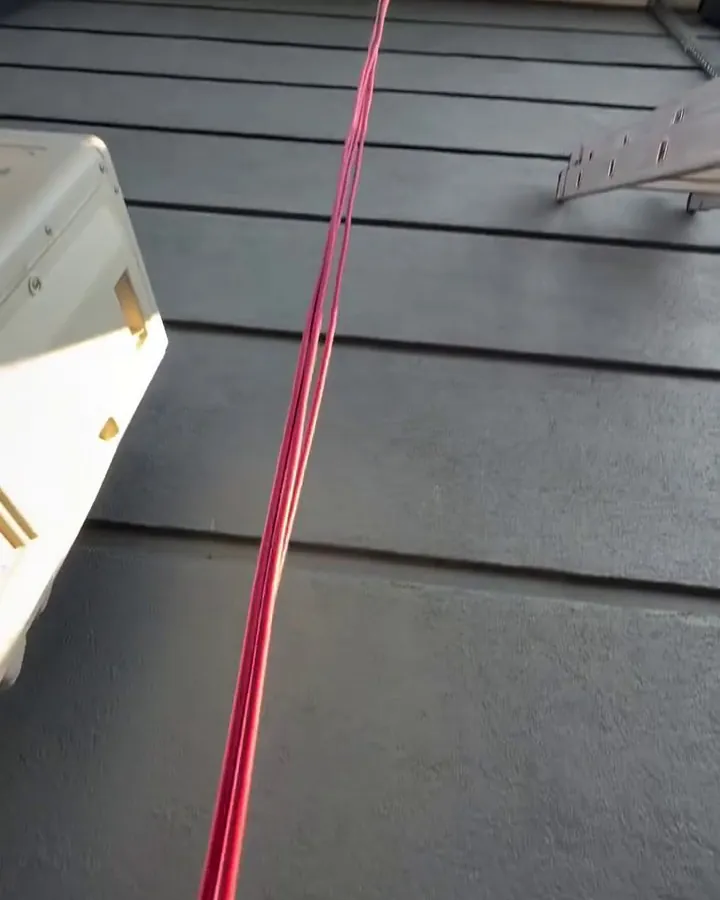
Protective earthing means connecting to earth the conductive parts that are not normally live but could become live in the event of a fault. In a solar plant these are the module frames, aluminium or steel rails, the supporting structure, inverter housings, metal cable trays and switchboard enclosures.
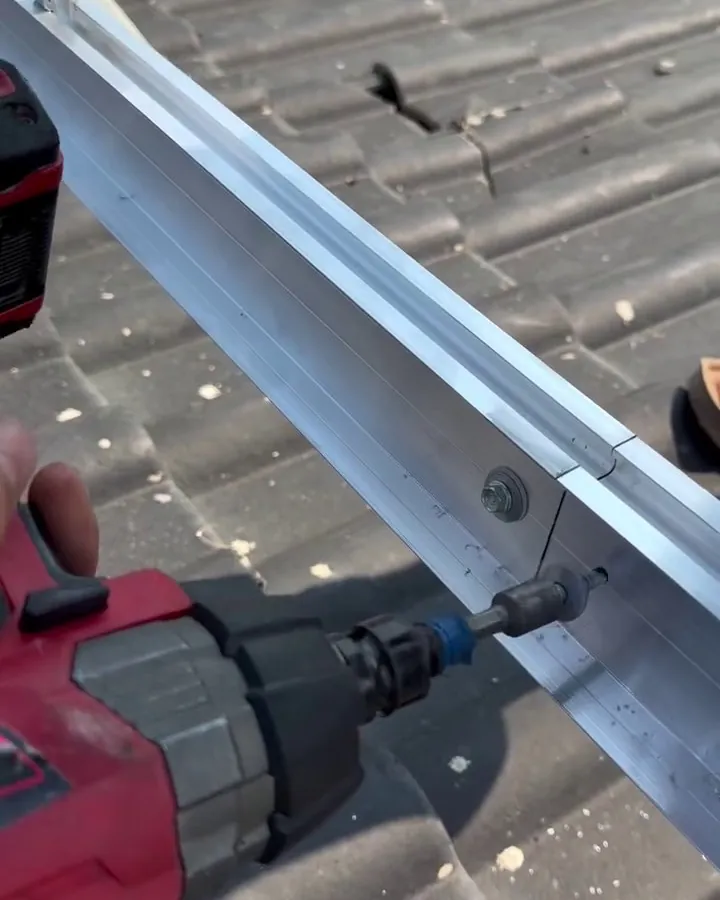
Equipotential bonding means connecting these conductive parts to one another so that they are kept at the same potential. The aim is to prevent a dangerous voltage difference between two metal surfaces. In practice, module frames are connected to the rails with suitable earthing clamps, the rails to each other and to the main protective conductor, which in turn runs to the main earthing bar. On anodised aluminium surfaces, using fixings that pierce the paint or oxide layer is important for ensuring continuity. Compatible materials should be chosen to prevent galvanic corrosion where dissimilar metals are in direct contact.
Different approaches for rooftop and ground-mounted plants
On rooftop plants, the bonding network is usually connected to the building's existing earthing system. In that case the condition of the building's earthing also matters: in older buildings, earthing that has never been measured, has corroded or has been interrupted by later alterations also weakens the safety of the new plant. On ground-mounted plants, the earthing system is mostly designed specifically for the site; the rows of mounting structure, the inverter and transformer points are joined into a common earthing network. Factors such as soil structure, moisture and rocky ground directly affect this design, so it is useful to assess soil resistivity on land during the site survey.
The design and acceptance values of the earthing system are determined, as of November 2026, by current legislation, in particular the provisions of the regulation on earthing in electrical installations, and by the approved design. We give no exact resistance value in this article; the assessment should be made by a qualified engineer according to the type and design of the installation.
Overvoltage protection on the DC and AC sides (surge protective devices)
A surge protective device (SPD) limits sudden voltage spikes by discharging the energy to earth. A solar plant has two separate sides, and each requires its own protective device:
- DC SPD: installed on the DC line coming from the module strings, usually in the DC combiner box or close to the inverter input. It must be selected to match the DC voltage level and system configuration; an SPD designed for AC must not be used on a DC line.
- AC SPD: installed between the inverter output and the main distribution board, protecting against overvoltages that may come from the grid side.
The effectiveness of an SPD depends directly on the quality of its earth connection. A long, looped or thin earth conductor weakens the device's discharge path. It is therefore recommended to keep the connection between the SPD and the earthing bar short and straight. The status indicators of SPDs should be checked during maintenance visits, and modules that have reached the end of their life replaced. Whether the building has an external lightning protection system affects the choice of SPD class; you can find the details in our article on lightning and storm protection.
Insulation monitoring and residual current protection
In solar plants, the insulation of DC cables can be damaged over time by UV, heat, rodents, sharp edges or installation errors. Many grid-tied inverters check the insulation resistance of the DC side to earth before connecting, and if the value is low they raise an error and do not connect to the grid. Insulation faults that appear on humid mornings and disappear towards midday are usually a sign of a connector letting in moisture or a damaged cable, and they must always be investigated.
On the AC side, residual current protection is important. Some inverters have a built-in residual current monitoring unit; the type and rating of an external residual current device should be selected according to the requirements in the inverter manufacturer's manual. Choosing the wrong type can either leave the protection ineffective or cause nuisance tripping. For the meaning of error codes and how to resolve them, see our article on inverter faults and solutions.
Cable management: common mistakes in plants using solar energy in Antalya
A significant share of electrical safety problems stems from careless cable management. The mistakes the Solar Nexo team frequently comes across in the field are:
- using cable ties that are not UV-resistant and that snap after a few summers,
- cables rubbing against roof sheeting or rail edges and gradually losing their insulation,
- connectors from different brands being mated together, causing heating at the contact point,
- DC positive and negative cables run along widely separated routes, creating a large loop area; this can increase induced voltages during nearby lightning strikes,
- cables left in direct sunlight, in places where water can collect or within reach of rodents.
The safeguards are using solar cable suited to photovoltaic applications, fixing cables in trays or with suitable clips, routing positive and negative lines together and choosing connectors from the same system. For more detail on cables and connection components, read our article on solar cables.
Earthing and electrical safety measurements
Whether an Antalya solar plant earthing system has been done correctly can only be proven by measurement. The measurements taken at commissioning are the plant's first "health report" and serve as a reference for later measurements. The table below summarises the basic tests; acceptance values are assessed against current legislation, standards and the approved design.
| Measurement | Purpose | When? |
|---|---|---|
| Earth resistance | Verify the resistance of the earthing system to ground | Commissioning, periodic inspection, after alterations |
| Continuity (equipotential bonding) | Confirm that frames, rails and housings are continuously connected to earth | Commissioning, after module replacement |
| DC insulation resistance | Check the insulation of cables and modules to earth | Commissioning, when insulation faults recur |
| Open-circuit voltage and short-circuit current | Confirm that string connections and polarity are correct | Commissioning, fault investigation |
| Residual current device test | Verify that the protective device trips under the specified condition | Commissioning, periodic inspection |
| Thermal camera scan | Find overheating connections, connectors and switchboard components | Maintenance visits |
Measurements should be carried out by qualified and experienced people using instruments with valid calibration, and the results reported with the date, measurement point and instrument details. The report is also an important document in insurance and warranty processes.
Periodic inspection schedule for operating a solar power plant in Antalya
How often periodic inspections are carried out, and by whom, is determined by the intervals set out in current legislation as of November 2026 and by the nature of the installation. In addition, event-driven checks are needed: after a severe storm, a nearby lightning strike, flooding, roof alterations, or module or inverter replacement, earthing and continuity should be checked again. Because soil moisture falls during Antalya's dry summer months, earth resistance can change; taking measurements in different seasons and comparing them gives a better picture of the system's real condition.
Solar Nexo carries out measurements, inspections and fault investigations as part of its solar plant maintenance and repair service, including for plants installed by other companies. As in our service at an existing plant in Gazipaşa, where we replaced five faulty inverters, re-checking connections and protection after equipment replacements is an integral part of the job. For the maintenance scope, see our solar plant maintenance and repair page, and for the general roadmap our Antalya solar power plant guide.
Conclusion
An Antalya solar plant earthing system is the foundation of the plant's safety, and the effectiveness of every other protective device depends on it. Equipotential bonding keeps all metal parts at the same potential; DC and AC surge protective devices are only effective with sound earthing; insulation monitoring and residual current protection make hidden faults visible. Tidy cable management extends the life of these layers. Above all, all of this must be proven by measurement and reported. Given local conditions such as humidity, salt and dry soil in installations using solar energy in Antalya, a habit of periodic measurement is the most concrete assurance that the plant will run both safely and without interruption.
Frequently asked questions
Are solar plant earthing and lightning protection the same thing?
No, they are related but different systems. Earthing ensures that current is carried safely to ground during faults and overvoltages and that metal parts stay at the same potential. Lightning protection covers additional measures against direct lightning strikes, such as air terminals and down conductors. Both systems need to be designed to work together.
Why is equipotential bonding necessary?
Equipotential bonding prevents a dangerous voltage difference between module frames, rails, the structure and switchboard enclosures. In the event of an insulation fault, it reduces the risk of harm to a person touching two metal surfaces at the same time. A bonding network with verified continuity is also needed for surge protective devices and the inverter's earth-related measurements to work correctly.
How many ohms should the earth resistance be?
The exact value depends on the type of installation, the grid system and the approved design; giving a single figure would not be right. As of November 2026 it is assessed by a qualified engineer on the basis of current legislation, the regulation on earthing and the relevant standards. What matters is that the measurement is taken, reported and compared with periodic measurements. A marked change in the value may point to a connection or corrosion problem.
Why does my inverter show an insulation fault in the mornings?
This usually points to a spot on the DC side affected by moisture. A connector letting in water, damaged cable insulation or a damp junction box can lower insulation resistance with the morning humidity, and the fault may disappear as the sun dries the surfaces. Although the problem seems temporary, it can grow, so the source should be found with insulation measurements string by string.
What is the difference between a DC SPD and an AC SPD?
A DC SPD protects the direct current line coming from the module strings, while an AC SPD protects the alternating current line between the inverter output and the distribution board. Because they are designed for different types of voltage, they cannot be used interchangeably. To work effectively, they must be connected to the earthing bar with a short, straight conductor, and their status indicators should be checked during maintenance.
How often should earthing measurements be taken?
The measurement interval is determined by the periods set out in current legislation and the nature of the installation. Measurements are also recommended after events such as storms, nearby lightning strikes, flooding, roof alterations or equipment replacement. Because soil resistance can change during the dry summer months in Antalya, comparing measurements taken in different seasons is useful.
Can I have the earthing checked on a plant installed by another company?
Yes, you can. Solar Nexo provides solar plant maintenance and repair services, including for systems installed by other companies. This can include earth resistance, continuity and insulation measurements, checks of surge protection and residual current protection, and a thermal camera scan. The results are reported and solutions are proposed for any shortcomings found. If you have the existing design and previous measurement reports, sharing them helps with comparison.
Sources
Want a clear calculation for your roof?
The Solar Nexo team carries out a free site survey at your address in Antalya and designs the system that suits your roof, consumption and budget.