
Short answer
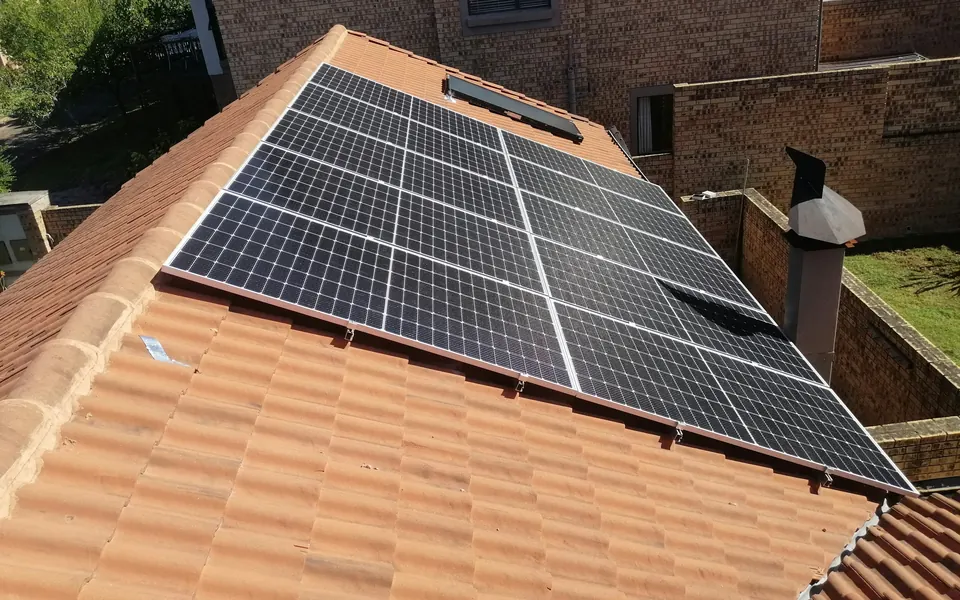
Antalya residential complex solar is a solar energy system built to cover the shared-area consumption of developments with several blocks or villas, such as pool pumps, lifts, booster pumps, outdoor lighting and social facilities. Block roofs and car park carports can be used. The owners decide in line with the management plan and current regulations; the cost-sharing model and remote monitoring should be agreed from the start.
Key takeaways
- A residential complex solar system targets the shared-area consumption paid by the complex management, not by individual flats.
- In Antalya the pool season coincides with the summer months of high solar output; pump hours can be shifted to daytime.
- Block roofs, car park carports and social facility roofs can be assessed together.
- The structure of the shared-area meters determines how many systems are installed and how the application is made.
- The decision should be taken within the management plan and current regulations, with a legal opinion where needed.
- A clear cost-sharing model and sharing monitoring reports with residents ensure transparency.
With their pools, landscaping, car parks and social facilities, residential complexes, residences and villa compounds in Antalya have far higher shared-area consumption than a single apartment building. Antalya residential complex solar projects aim to cover part of this shared consumption with a solar power plant (GES) installed on roofs and car park areas. In this article we look at where consumption comes from at the scale of a multi-building complex, where panels can be placed, how decisions and cost sharing work, and how monitoring is handled during operation.
What is Antalya residential complex solar, and which complexes does it suit?
A residential complex solar system is a solar energy system installed to cover the shared-area electricity consumption of a development made up of several blocks or villas. The goal here is not to supply individual flats but to ease the shared electricity bill paid by the complex management. In a single apartment building this consumption is usually limited to stairwell lighting, lifts and the booster pump; in a complex, pools, outdoor lighting, garden irrigation, security systems and social facilities are added.
An Antalya residential complex solar investment is particularly worth considering for:
- Complexes with pools, extensive landscaping and year-round shared-area consumption,
- Residences with open car parks and space for carports,
- Villa compounds run by a single management,
- Holiday complexes where some residents are only present at certain times of the year but the shared areas run continuously.
For single-block apartment buildings the decision process is simpler; we cover that separately in our article on apartment building solar and the owners' decision. This article focuses on the scale of multi-building complexes.
Where does shared-area consumption in a complex come from?
The first step in finding the right system size for a complex is to review at least the last twelve months of shared-area bills. Which items the consumption comes from and when it peaks during the day determine the size and type of system to be installed.
| Shared-area load | Operating time | Match with solar output |
|---|---|---|
| Pool pumps and filtration | Mainly daytime, heavy in the summer season | High; pump hours can be shifted to daytime |
| Pool heating (heat pump) | Start and end of season, mainly daytime | Good when run during the day |
| Lifts | All day, heavier in the morning and evening | Medium |
| Booster and water pumps | All day, depending on use | Medium |
| Garden irrigation pumps | According to scheduled hours | Depends on irrigation time |
| Outdoor and car park lighting | Night | Low; requires the grid or storage |
| Security cameras, barriers, gate systems | 24/7 | Partial |
| Social facility and gym air conditioning | Daytime and evening | Medium |
One of the things that makes solar energy in Antalya attractive for complexes is that, in the long hot summer, the pool season coincides with the months of highest solar output. According to PVGIS 5.3, the theoretical monthly yield of a 1 kWp system in Antalya rises to about 167–168 kWh in July and August and falls to about 99 kWh in December and January. Shifting pool pump hours to daytime is one of the easiest ways to increase the share of generated energy used directly on site. See our article on pool pumps and solar energy for more on this.
Layout in multi-building complexes: roofs, carports and shared areas
The biggest advantage of complex scale is the wide choice of usable surfaces. Each surface, however, has its own technical and aesthetic conditions.
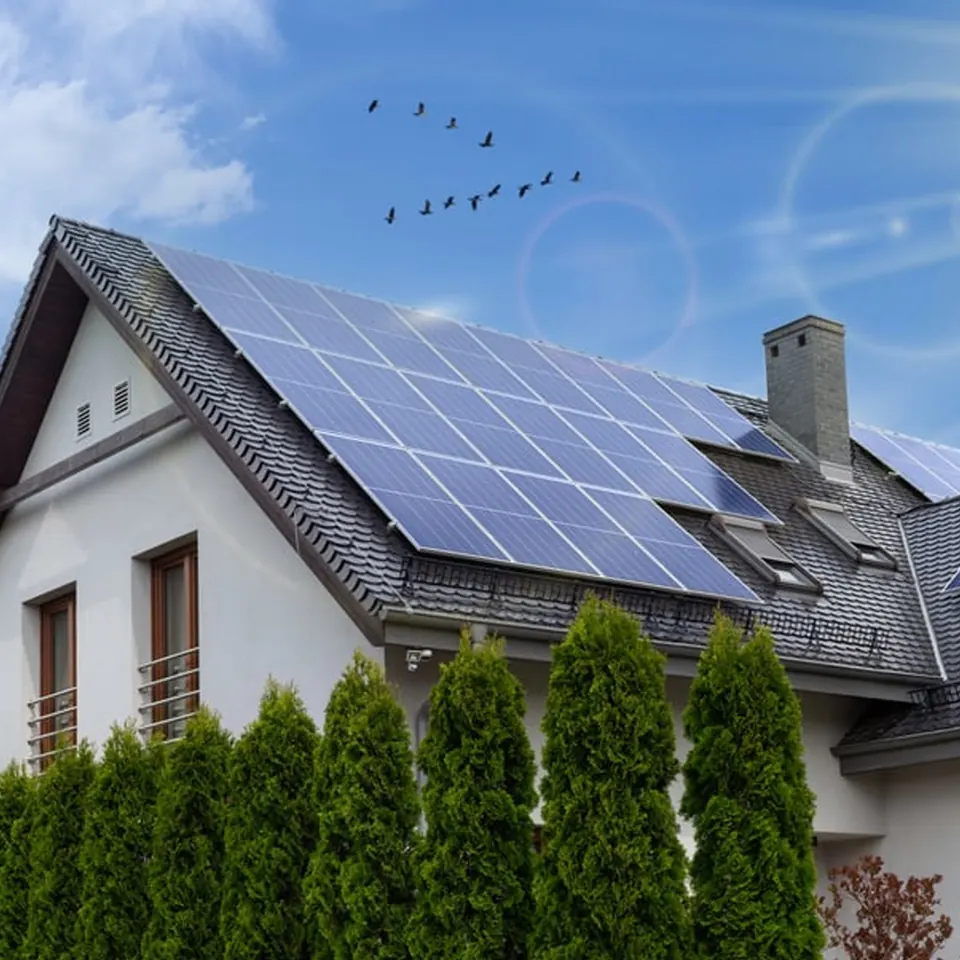
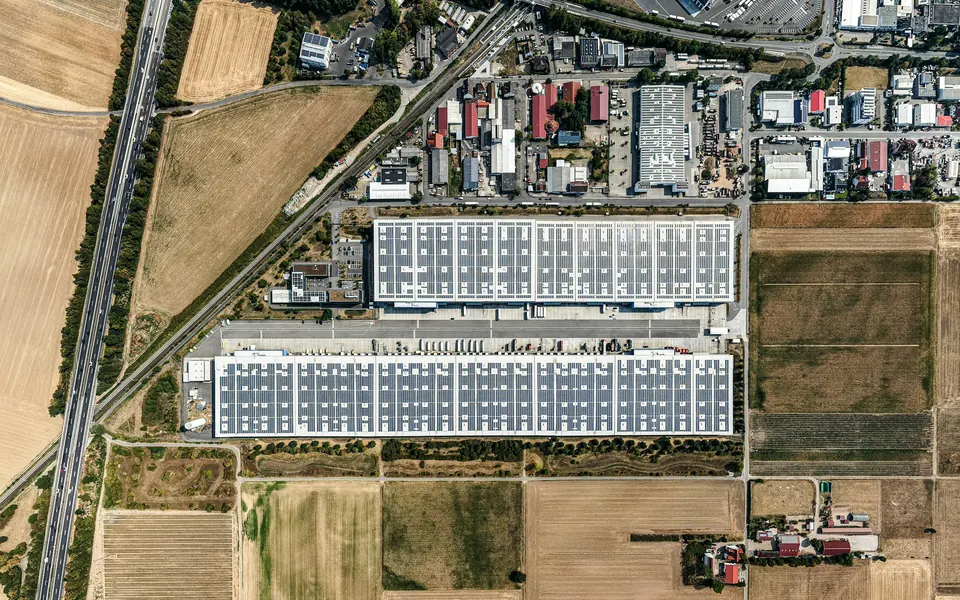
- Block roofs: Flat terrace roofs are usually suitable; lift machine rooms, water tanks and antennas can cast shade. On tiled roofs, orientation and pitch may vary from block to block.
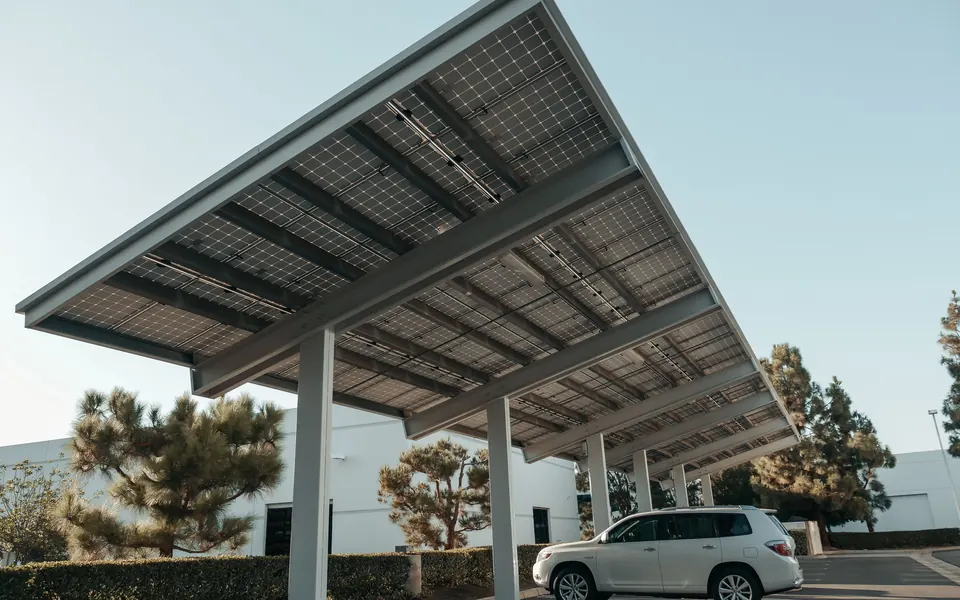
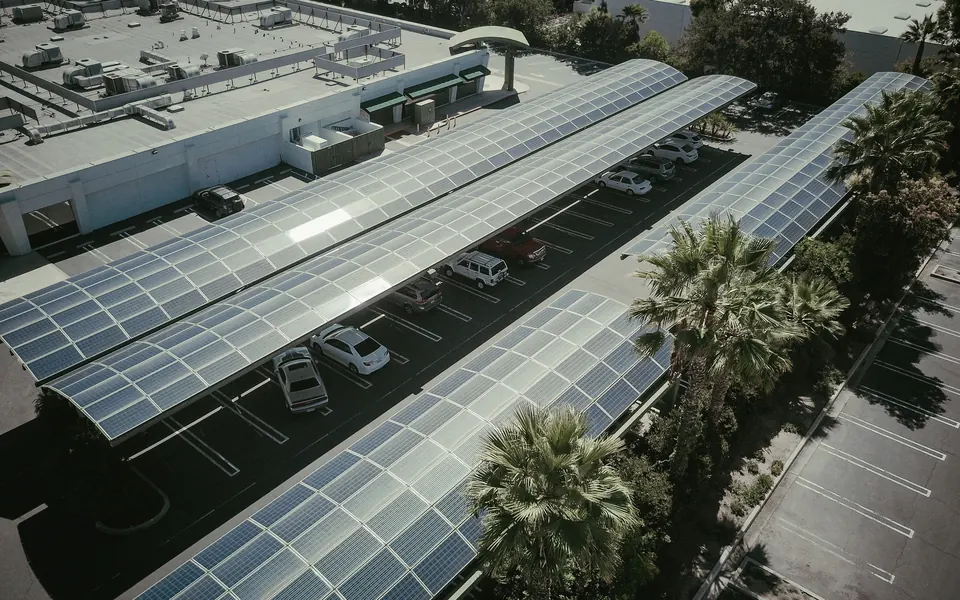
- Car park carports: Solar canopies built over open car parks protect cars from the sun and provide generating area without touching the roofs. For details, see our article on carports and car park solar energy.
- Social facility and technical building roofs: Structures such as a security lodge, generator room or clubhouse can offer small but productive areas.
- Pergolas and shade structures: Canopies around the pool or seating areas can be an attractive solution; structural suitability must always be checked.
In villa compounds, architectural consistency is an important issue. Panel layouts should be planned so as not to spoil the appearance of the complex, and the facade rules in the management plan must be followed. For each roof, a structural assessment, preservation of the waterproofing and maintenance access are dealt with separately.
Take future loads into account as well
When sizing a system at complex scale, looking only at today's bills may not be enough. If residents are asking for electric vehicle charging points, shared charging stations in the car park may come onto the agenda. Switching pool heating to a heat pump, extending the social facility or automating garden irrigation also changes shared-area consumption. If such plans exist, inverter capacity, switchboard layout and cable routes can be left ready for expansion in the first project. That makes it easier to plan a second phase later without dismantling the existing system, with any additional application requirements assessed under current regulations. Discussing an expansion scenario from the start also makes the file presented to the management board more realistic.
Complex scale for an Antalya solar power plant: connection and metering structure
In multi-building complexes, shared-area consumption is not always collected on a single meter. In some complexes each block has its own shared-area meter, and there may be a separate subscription for the pool and social facilities. This structure directly determines how many separate systems will be installed, how the inverters are placed and how the application is made.
For any Antalya solar power plant, the grid connection process runs through Akdeniz EDAŞ (AEDAŞ, the local electricity distribution company). Which power can be connected to which consumption point, how multiple subscriptions are treated and how surplus energy is handled under net metering (mahsuplaşma) must be clarified project by project under current regulations as of November 2026. You will find the basic logic of net metering in our article what is a net-metered system. For net-metered applications, it is important to build into the plan from the outset that the process can take an average of 8–12 months.
The management board and the owners' decision: general framework
An investment in shared areas is not a decision the complex management can take on its own. The decision process follows the Turkish Condominium Law, the complex's management plan and, where applicable, the rules for multi-building estate management. Since which board must decide and by what majority can vary with the management plan and current regulations, obtaining a legal opinion on this point is recommended.
In practice, the process usually goes through these steps:
- The management board collects shared-area bills and consumption items,
- A technical site survey identifies suitable surfaces,
- Several quotations are compared using the same criteria,
- The project is presented to the owners' assembly or the relevant board,
- The decision is taken and the contract is signed,
- Application, installation, acceptance and commissioning.
The file presented to the board should clearly state the system capacity, the estimated annual yield (with theoretical assumptions), the areas to be used, product and warranty information and the maintenance plan. This transparency makes it easier to build trust among the owners.
Cost-sharing models
The most debated topic in a residential complex solar investment is how the cost will be divided among the owners. The commonly discussed models are:
| Model | How does it work? | Point to watch |
|---|---|---|
| Sharing by land share | Each owner contributes in proportion to their land share | Consistent with the usual logic for distributing shared expenses |
| Equal sharing | Each independent unit contributes the same amount | Objections may arise between flats of different sizes |
| Funding from the operating budget or reserve fund | Payment is made from existing savings | The fund must remain sufficient for other needs |
| Instalments added to the service charge | The contribution is spread over a set period and added to the service charge | How changes of ownership during that period are handled must be clear |
Whichever model is chosen, it is important that the benefit is shared on the same basis. The reduction in shared-area electricity costs usually flows into the service charge budget. The position of owners who sell or let their flat should be defined explicitly in the decision text. Presenting the estimated yield together with its assumptions, rather than promising guaranteed savings, creates realistic expectations.
Remote monitoring and transparent reporting
In a system with many inverters spread across different roofs, remote monitoring is essential for spotting problems. The monitoring platform can show the output of each inverter and each string separately and raise an alarm in the event of a fault or a drop in performance.
For complex managements, monitoring has another benefit: transparency. Adding monthly production summaries to general assembly reports or sharing them with residents lets everyone see the results of the investment. For more detail, see our article on remote monitoring for Antalya solar power plants. Solar Nexo hands over monitoring access for the systems it installs to the complex management and provides 24/7 technical support.
Running a complex with solar energy in Antalya: maintenance and responsibilities
Under the conditions of solar energy in Antalya, summer dust, spring pollen and, in complexes near the coast, salty air can soil the panel surface. For this reason, panel cleaning, periodic electrical checks and inverter maintenance should be added to the complex management's operating plan. Who carries out maintenance, how often, and from which budget it is paid should be settled before installation.
On the warranty side, panels carry a 30-year performance warranty; the product warranty varies by model. Inverters come with a 2-, 3- or 5-year factory warranty, and in battery systems the lithium batteries carry a warranty of 5 years / 8,000 cycles. As an authorised dealer of TommaTech and CW Enerji, Solar Nexo uses original, invoiced products and hands the manufacturer warranty documents over to the complex management. To see the whole solar power plant process in Antalya, use our Antalya solar power plant guide.
Conclusion
With their pools, landscaping and large car parks, residential complexes, residences and villa compounds offer meaningful shared-area consumption and usable surfaces for solar energy. Success in an Antalya residential complex solar project depends on an accurate consumption analysis, careful planning of roof and carport areas, clarifying the metering structure at the start of the project and taking the decision transparently among the owners. If you would like to request a free site survey for your complex's shared areas, get in touch with Solar Nexo.
Frequently asked questions
What is the difference between complex solar and apartment building solar?
The main difference is scale and the variety of consumption. In an apartment building, shared-area consumption usually consists of stairwell lighting, lifts and the booster pump. In a complex, pool pumps, outdoor lighting, garden irrigation, security systems and social facilities are added. Because there are several blocks, different roofs, carport areas and sometimes more than one shared-area subscription, the design and decision process is more extensive.
What does a complex's shared-area consumption consist of?
Shared-area consumption mostly consists of pool pumps and filtration, lifts, booster pumps, garden irrigation pumps, outdoor and car park lighting, security cameras, barrier systems and air conditioning in social facilities. Some of these loads run during the day and some at night. To find the right system size, at least the last twelve months of shared-area bills and the operating hours of the loads should be reviewed.
How is the decision on a complex solar system taken?
The owners take the decision within the framework of the Turkish Condominium Law, the complex's management plan and, where applicable, the rules for multi-building estate management. Since which board must decide and by what majority can vary with the management plan and current regulations, a legal opinion is recommended. The file presented to the board should clearly state system capacity, areas to be used, the theoretical yield estimate, product and warranty information and the maintenance plan.
How is the cost shared among the owners?
Common models are sharing by land share, equal sharing, funding from the operating budget or reserve fund, and instalments added to the service charge. The land share model is consistent with the usual logic for distributing shared expenses, while equal sharing can lead to objections between flats of different sizes. Whichever model is chosen, how the benefit is shared and how changes of ownership are handled should be written clearly in the decision text.
Is a car park carport suitable for a complex solar system?
Yes, for complexes with an open car park a carport is often a suitable option. Solar canopies protect cars from the sun while providing generating area without touching the roofs. However, the soil survey, foundation design, wind loads and traffic safety must be assessed separately. It is also important to choose a design that fits the architectural character of the complex and to follow the rules in the management plan.
What happens if there is more than one shared-area meter?
If there are several shared-area subscriptions, a separate system for each consumption point or a different connection arrangement may be needed. This structure directly affects inverter placement, cable routes and application files. Which power can be connected to which point must be clarified project by project with Akdeniz EDAŞ, the local distribution company, under current regulations as of November 2026.
What support does Solar Nexo provide for complex projects?
During a free site survey, Solar Nexo inspects the complex's roofs, car park areas and shared-area consumption on site and prepares a technical file that can be presented to the management board. As an authorised dealer of TommaTech and CW Enerji, it uses original, invoiced products and hands over warranty documents. Contracted delivery takes 14 working days; the net-metering application process can take an average of 8–12 months on top of that. After installation, monitoring access and 24/7 technical support are provided.
Sources
Want a clear calculation for your roof?
The Solar Nexo team carries out a free site survey at your address in Antalya and designs the system that suits your roof, consumption and budget.